

It's Thursday evening, and the group chat lit up. Someone just dropped a TikTok link of that one new cafe in town, or maybe a supper spot. The group chat floods within seconds.
Before you reply, you do something that a lot of other students would do first. You exit the chat, open your online banking app, and refresh your balance. You'd mentally calculate the damage. An RM18 Ayam Gepuk set with an extra sambal cili and gajus, and deep-fried cabbage, maybe splitting a Grab home, plus that iced matcha latte everyone will inevitably buy after the meal. Suddenly, one casual hangout represents half of your remaining grocery budget for the week. Now you glance back at the chat. Everyone else is casually agreeing as if spending RM40 on a casual Thursday night is as effortless as breathing.
What would you do?
Would you stretch yourself thin, hoping to survive the week with whatever meager savings you have, or transfer money from your emergency fund (if you have any) just to avoid being left out?
Or perhaps you’d send the dreaded text, “Sorry guys, can’t make it, busy with assignments,” for the third week in a row, aware that each time you decline, you feel more isolated from the group?
This invisible dilemma occurs more often than we realize. In the university ecosystem, students have radically different financial backgrounds. Some students live on tight, self-funded budgets; some work part-time jobs; some rely on their PTPTN loans; while others are fully supported by their families. All these students are thrown into the same social circles. We like to think that shared interests, late-night study sessions, and mutual humor are enough to bond us. However, there is another factor that is not talked about enough, which is budget gaps.
Fear of Missing Out (FOMO) is usually framed as a psychological issue that takes the form of anxiety that others are having fun without you. For students navigating financial disparities, financial FOMO is deeply practical. It’s the realization that staying socially connected almost always means spending money.
Socializing in higher education has increasingly been commercialized. Where previous generations of students might have spent hours lingering over instant coffee in a dorm common room or sitting on a campus lawn, modern students' lives revolve heavily around paid experiences: specialty cafes, aesthetic brunch spots, ticketed events, and trendy foods. When your social calendar is built around consumption, having a lower budget doesn’t just mean buying less. It feels like participating less in your own community.
Financial friction doesn’t start with a massive, expensive island trip. Often, it starts with the slow build-up of small transactions. It could be that daily RM15 cafe latte before your morning lecture, or that impulsive GrabFood ‘small snack’ order during a late-night assignment grind, or perhaps a ‘quick boba craving’ between classes.
These purchases might seem trivial to higher-income peers who don’t think twice about them. However, for a student on a strict budget, three or four of these ‘casual’ purchases a week can quietly derail their monthly budget.
How to Break the Cycle: Navigating Budget Gaps Without Losing Your Mind (or Friends)
Acknowledging the reality of Financial FOMO is the first step, but how do we actually handle it without going broke or becoming a social recluse? Bridging the gap requires a mix of self-advocacy, setting boundaries and changing how we view social spaces.
By following these 3 clear steps, you can set boundaries, maintain friendships and keep your finances intact.
Step 1: The “I Already Ate” Strategy
Eat a cheap, filling meal at your dorm before heading out. When you arrive at the restaurant, just order a drink or a small side dish. This satisfies your craving for a taste of the restaurant without leaving you feeling left out or jealous of what others are eating, and lets you enjoy quality time with your friends.
Step 2: Transition to Soft Transparency (Only when you’re ready)
Once you feel comfortable enough with your circle, you can slowly move away from the “tactical excuse” to casual honesty. There’s no need to hand over an audit of your bank account. No one needs to see that. Chances are, someone else in the friend group might be struggling just as much as you are and is secretly relieved that you said it first. There’s totally no shame in admitting that you’re on a budget.
Step 3: Set a Dedicated “Guilt-Free” Social Fund
If you hate turning down invites altogether, give yourself the permission to socialize by setting aside a small, weekly allowance (maybe RM20-RM30) strictly for fun. You can do this by keeping this money in a separate digital wallet or bank account. Socializing isn’t supposed to be a luxury. It’s an essential part of student life to blow off steam from those assignments and exams. Having a dedicated “fun fund” means when you do spend money on a hangout, you can actually enjoy it without feeling a wave of guilt afterward.
Friendship Beyond the Price Tag
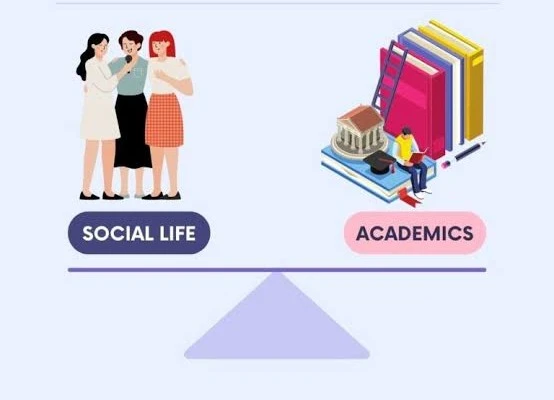
Navigating university friendship on a budget is a balancing act, but financial limits shouldn’t cost you your social life. True connection doesn’t require a RM40 price tag every Thursday night. By being honest about your boundaries, planning your budget, and occasionally proposing low-cost hangouts yourself, you protect both your wallet and your peace of mind. After all, the best parts of student life are the things that money can’t simply buy.


LEAVE A COMMENT
Join the conversation
No comments yet. Be the first to comment!