



Bachelor of Engineering (Industrial and Systems Engineering) (Honours)

Course Qualification
Degree

Study Period
4 Years

Study Mode
Full Time

Intakes
July, February

Estimate Fee
MYR429,907.00
Tuition fee details
Estimated total programme tuition for the full course duration.
- Domestic students
- MYR 429,907.00
- International students
- MYR 429,907.00
Course Overview
Modern Systems Design
Students in this course learn how to design, install, and improve complex systems that bring together people, materials, equipment, and energy. The curriculum focuses on making these systems as efficient and safe as possible while meeting human needs and financial goals. Rather than focusing on a single machine, students look at the "big picture" of how different parts of an organization work together. This involves studying units in industrial mathematics, sustainability, and management to understand how change affects a whole system.
Learning Style and Interaction
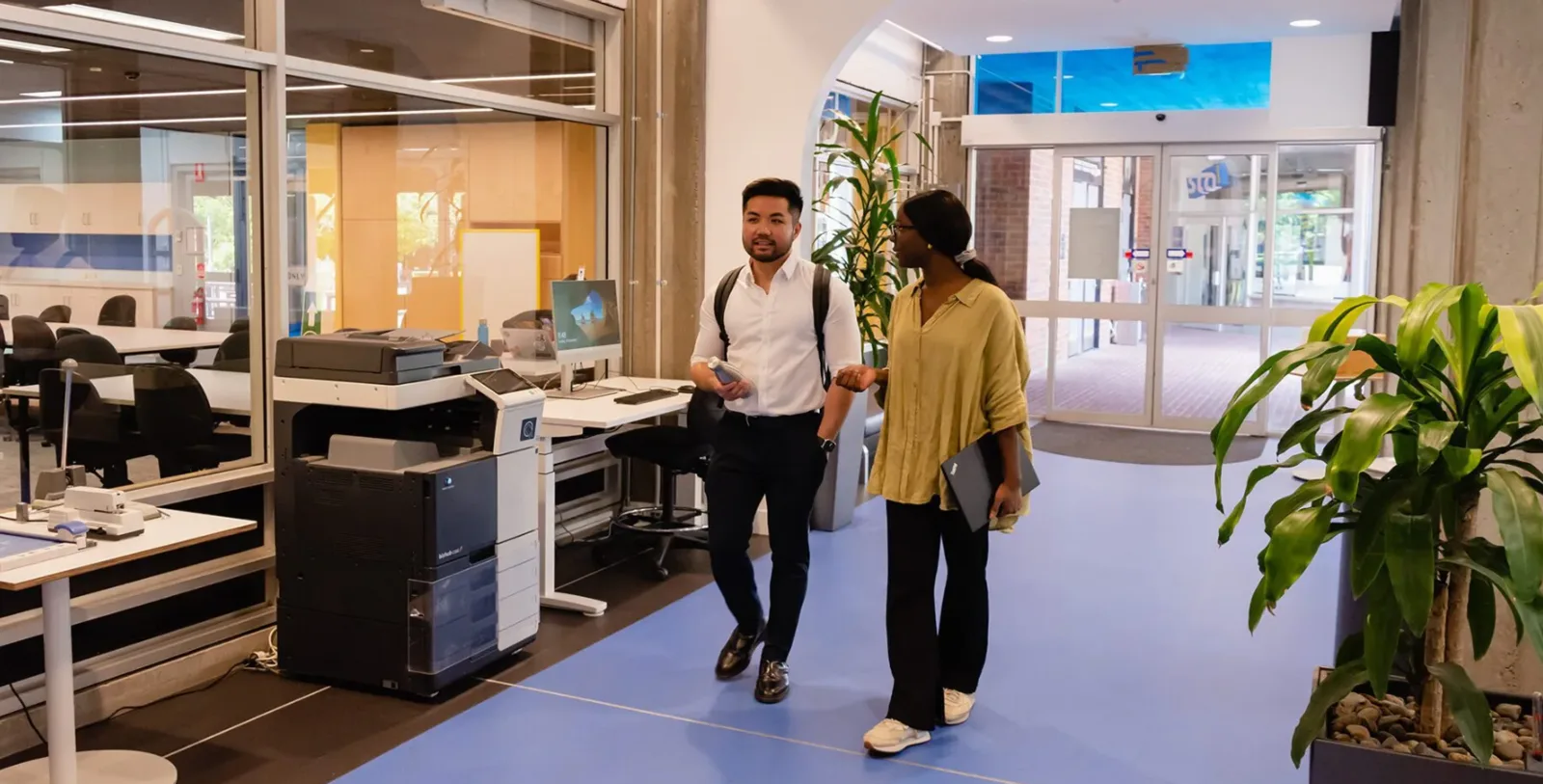
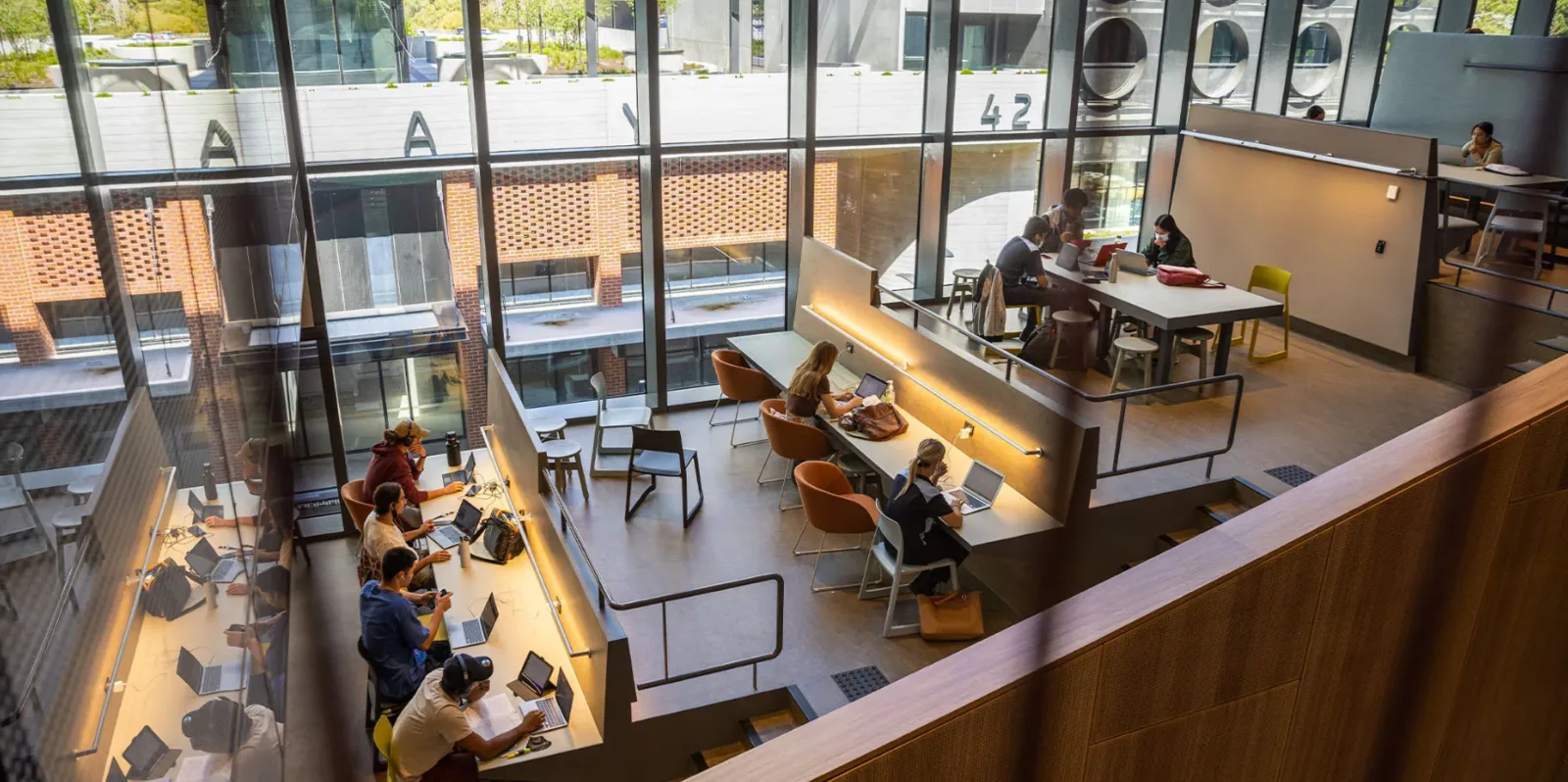
The student experience is defined by a blend of theoretical modeling and hands-on application. On the Curtin Perth Campus, students spend significant time in collaborative environments, working in teams to solve real-world problems. The pace is steady and intellectually demanding, requiring students to master advanced mathematical techniques for optimization and simulation. Interaction with peers and lecturers often mirrors a professional engineering firm, where students analyze layouts, process flows, and equipment requirements for manufacturing facilities or transportation networks.
Practical Engineering Environment
A major highlight of this program is the focus on Work-Integrated Learning, where students engage in site visits and industry-linked projects. The classroom experience is rarely limited to lectures; it involves using industry-standard software to model supply chains or test plant operations. This collaborative culture prepares students for the high-stakes environment of modern industry, where they must manage timing, costing, and safety simultaneously.
Future Pathways and Skills
This course uniquely prepares students for the "Industry 4.0" era by teaching them to manage digitised automation. Graduates develop the skills to monitor production through sensors, manage driverless trucks, or coordinate fleets of unmanned aerial vehicles. This expertise in Industrial and Systems Engineering opens doors to careers in logistics, manufacturing, and global supply chain management, where professional engineers are needed to lead rapid technological expansions.
Entry Requirements
Review the academic qualifications, grades, and additional criteria needed for admission to this program.

SPM
Minimum 5 credits including Mathematics (C) & English (C)


STPM
Minimum CGPA 3.00 including Mathematics T (C)


DIPLOMA
Minimum CGPA 3.00 including Mathematics T (C)


A-LEVEL
Minimum CGPA 3.00 including Mathematics T (C)


O-LEVEL
Minimum CGPA 3.00 including Mathematics T (C)
ADDITIONAL REQUIREMENTS
- MUET Band 3 or above
- IELTS Overall 6.0 or above
- Has at least one industry level certification in Engineering
Entry Requirement
About this School

Other Courses from This University
Explore all diploma, degree, and postgraduate programs available at this institution.
Courses You Might Be Interested
Explore similar diploma, degree, and postgraduate programs that you matches your interest.