

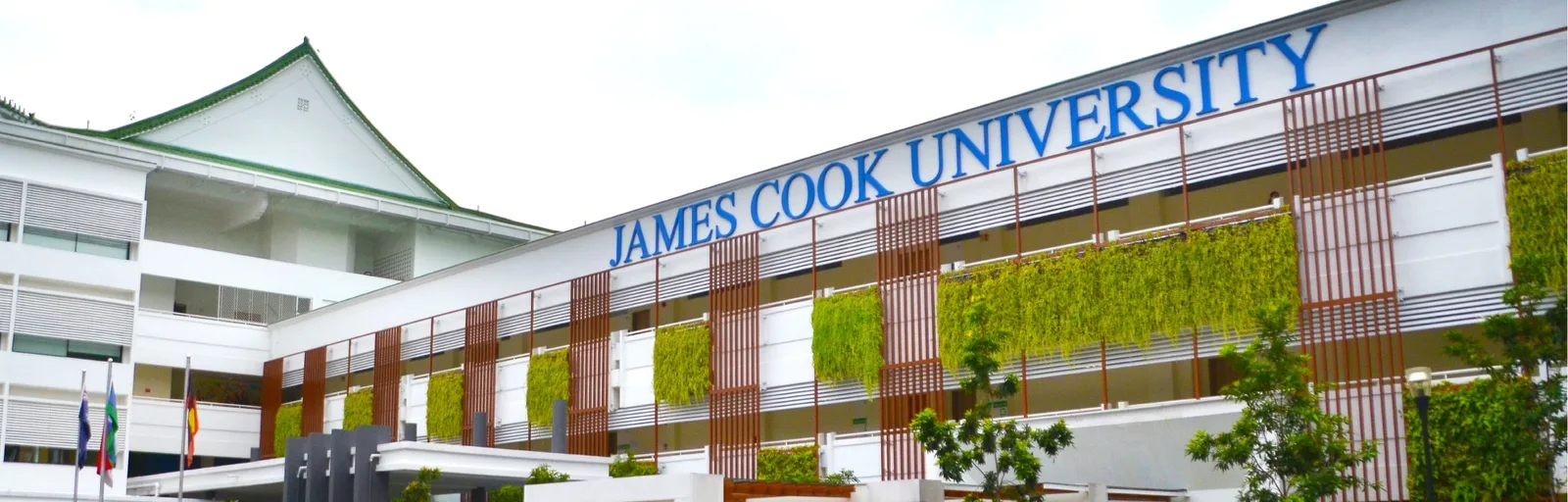

Bachelor of Business and Environmental Science (Majoring in Aquaculture)

Course Qualification
Degree

Study Period
2 Years

Study Mode
Full Time

Intakes
January, May, September

Estimate Fee
RM186,816
Course Overview
Balancing Science and Commerce
Students explore the structural intersection of aquatic production and financial viability. This program bridges commercial business frameworks with biodiversity management, teaching students how to run sustainable aquatic businesses. Enrollees split their cognitive focus between economic principles—such as corporate accounting, marketing strategies, and microeconomics—and technical marine sciences. Learning is anchored in understanding how commercial decisions impact delicate aquatic ecosystems and how biological sustainability can drive market profitability.
Laboratory Work and Aquatic Management
A typical week involves moving between conventional lecture theatres and specialized scientific labs. Students analyze water quality samples, evaluate fish nutrition profiles, and study the mechanics of recirculating aquaculture systems. Instead of reading abstract summaries, learners use specialized tools to monitor dissolved oxygen levels, evaluate parasite loads under microscopes, and manage experimental breeding tanks. This routine mimics the daily responsibilities of a hatchery officer or wildlife biologist, blending scientific precision with operational management.
Practical Projects and Environmental Impact
Assessment methods actively mirror tasks found in the professional field. Students complete assignments that require drafting comprehensive environmental impact statements for new seafood production facilities. They work through financial case studies to determine the economic feasibility of switching to alternative, plant-based aquafeeds. Group discussions frequently challenge students to debate real-world trade-offs, such as managing coastal zoning conflicts between seafood producers, local tourism operators, and conservation groups.
Career Horizons and Future Outlook
Graduates are prepared to step directly into diverse operational, managerial, or advisory positions within the global seafood industry. Common pathways lead to careers as aquaculture hatchery managers, sustainability officers, marine environmental consultants, and seafood trade analysts. For those drawn toward research and policy, the qualification offers a direct academic route into postgraduate research programs, including specialized Master of Science or PhD tracks focusing on marine biology, tropical fisheries, or environmental resource management.
Entry Requirements
Review the academic qualifications, grades, and additional criteria needed for admission to this program.

SPM
Minimum 5 credits including Mathematics (C) & English (C)


STPM
Minimum CGPA 3.00 including Mathematics T (C)


DIPLOMA
Minimum CGPA 3.00 including Mathematics T (C)


A-LEVEL
Minimum CGPA 3.00 including Mathematics T (C)


O-LEVEL
Minimum CGPA 3.00 including Mathematics T (C)
ADDITIONAL REQUIREMENTS
- MUET Band 3 or above
- IELTS Overall 6.0 or above
- Has at least one industry level certification in Engineering
Entry Requirement
About this School



Other Courses from This University
Explore all diploma, degree, and postgraduate programs available at this institution.
Courses You Might Be Interested
Explore similar diploma, degree, and postgraduate programs that you matches your interest.