

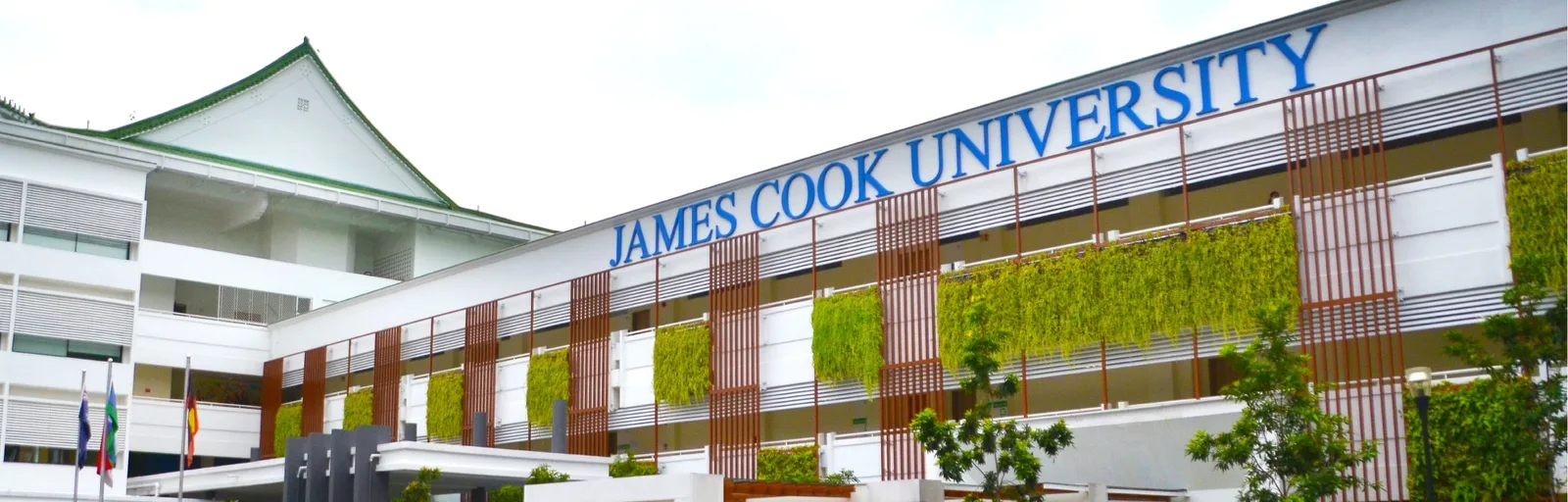

Bachelor of Cybersecurity

Course Qualification
Degree

Study Period
2 Years

Study Mode
Full Time

Intakes
January, May, September

Estimate Fee
RM239,427
Course Overview
Exploring Cyber Defense and Security Systems
The Bachelor of Cybersecurity at the Singapore campus of James Cook University introduces students to the core concepts of data protection, network security, and infrastructure defense. Students start by learning how computers connect with each other and how operating systems function. As they progress, they spend a large portion of their time studying code, analyzing network traffic, and identifying system vulnerabilities. Instead of memorizing concepts from textbooks, learners spend their hours inside computer labs working with virtualization tools, writing scripts to automate security tasks, and studying real-world malware examples. This approach shifts the focus from abstract digital concepts into a practical set of technical skills.
Hands-On Problem Solving in Computer Labs
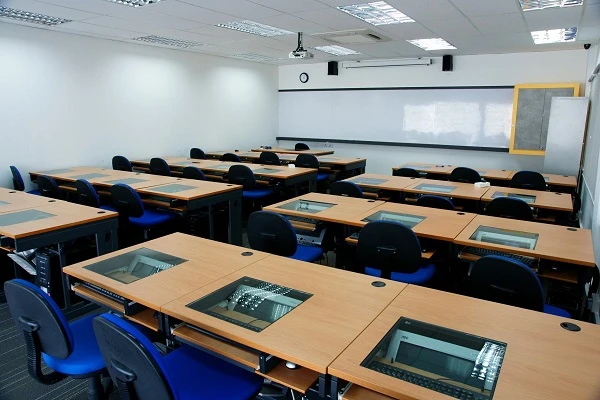
Learning centers heavily around regular lab work where students handle software tools used by professional security analysts. During practical sessions, students use Linux environments to configure secure firewalls, set up intrusion detection systems, and look for weaknesses in web applications. Assignments rarely involve traditional essays. Instead, students receive simulated network data or broken systems, requiring them to find security gaps, fix configuration errors, and document their solutions. This constant practice helps students understand exactly why certain codes fail and how hackers exploit small errors in software architecture.
Cyber Attack Simulations and Practical Projects
As students move into their final year, the coursework transitions into larger, simulated defense operations. Students participate in mock cyber incident scenarios where one group attempts to breach a network while another group works to block the intrusion and maintain system stability. These exercises test speed, clear technical thinking, and decision-making under stress. Additionally, students complete a major final-year project where they solve a concrete security issue or build a secure tool. For example, a student might configure a secure network layout for a mock business or test a piece of smart home technology to locate data leaks.
Career Directions in Information Security
Graduates from this program generally move into professional tech roles focused on data preservation and digital safety. Many find employment as security analysts, ethical hackers, network administrators, or incident response officers. The daily tasks in these jobs involve monitoring server logs, updating company security rules, and investigating unusual network behavior. The degree also sets up a path for further education, allowing graduates to move directly into advanced studies like the Master of Information Technology majoring in Cyber Security to build deeper specialization in tech management.
Entry Requirements
Review the academic qualifications, grades, and additional criteria needed for admission to this program.

SPM
Minimum 5 credits including Mathematics (C) & English (C)


STPM
Minimum CGPA 3.00 including Mathematics T (C)


DIPLOMA
Minimum CGPA 3.00 including Mathematics T (C)


A-LEVEL
Minimum CGPA 3.00 including Mathematics T (C)


O-LEVEL
Minimum CGPA 3.00 including Mathematics T (C)
ADDITIONAL REQUIREMENTS
- MUET Band 3 or above
- IELTS Overall 6.0 or above
- Has at least one industry level certification in Engineering
Entry Requirement
About this School


Other Courses from This University
Explore all diploma, degree, and postgraduate programs available at this institution.
Courses You Might Be Interested
Explore similar diploma, degree, and postgraduate programs that you matches your interest.