


Bachelor of Economics

Course Qualification
Degree

Study Period
2 Years

Study Mode
Full Time

Intakes
January, May, September

Estimate Fee
MYR206,797.00
Tuition fee details
Estimated total programme tuition for the full course duration.
- Domestic students
- MYR 206,797.00
- International students
- MYR 206,797.00
Course Overview
Learning the Core Tools
Students begin by learning how the economy works on both small and large scales. In the classroom, this means looking at how families make choices with their money and how major countries handle trade or inflation. Instead of just reading textbooks, students regularly look at current market news and trace supply lines to see why the prices of everyday items change. Early subjects focus on developing a business mindset and learning the math skills needed to track financial trends accurately.
Working with Real Data
A large part of this program involves working with data collection tools and specialized software to analyze market movements. Students learn how to gather large sets of business figures and use statistical programs to find patterns in consumer habits. For example, assignments often require students to review old financial reports from a specific industry and predict how a future tax change might affect profits. Rather than memorizing formulas, the focus is on discovering what the numbers actually mean for a business.
Solving Business Case Studies
As students move into advanced topics, they spend less time listening to lectures and more time solving real business problems. Lecturers introduce real-world case studies based on international trade, monetary policies, or banking issues. Students often take on the roles of economic advisors, working to analyze a country's economic struggles and proposing clear solutions. These assignments help students build practical problem-solving habits that are highly valued in banking, government agencies, and corporate planning departments.
Life on the Singapore Campus
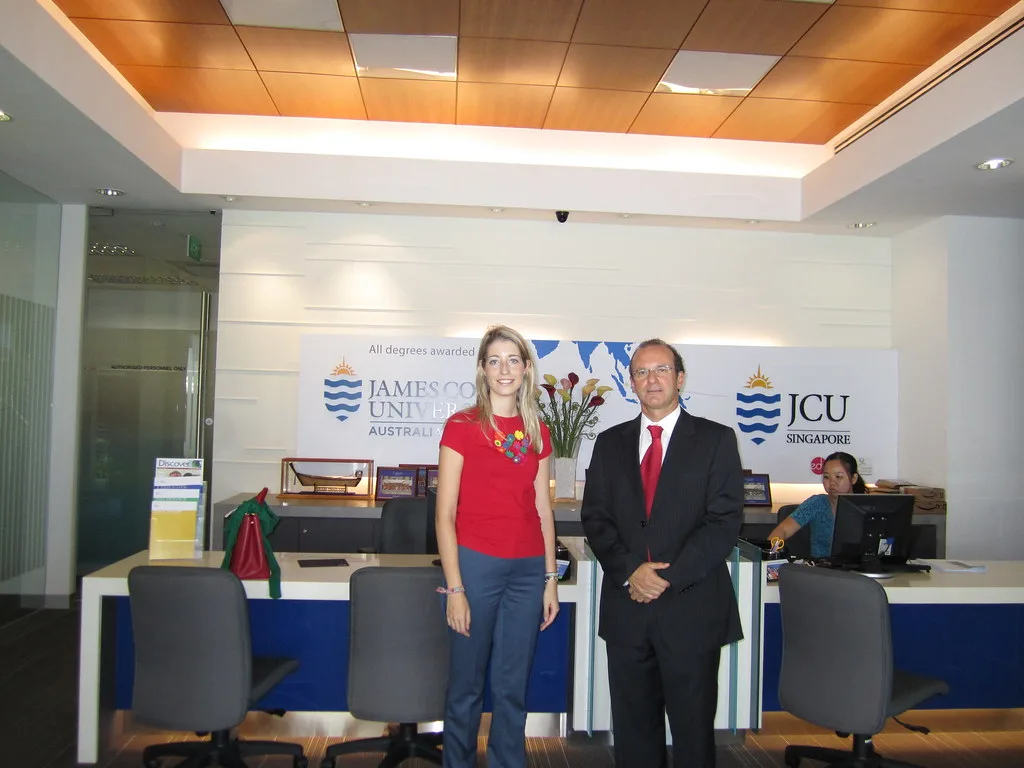
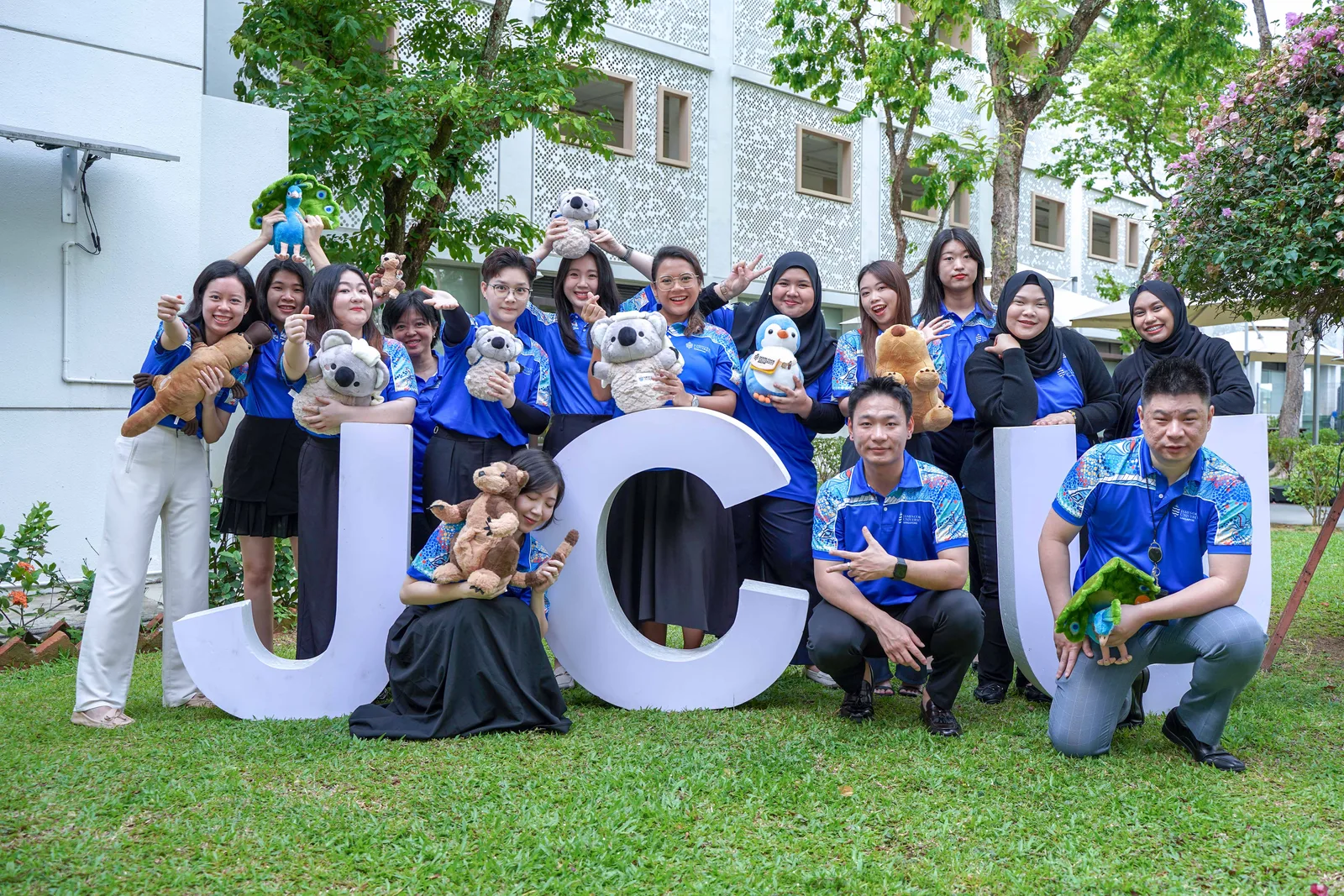
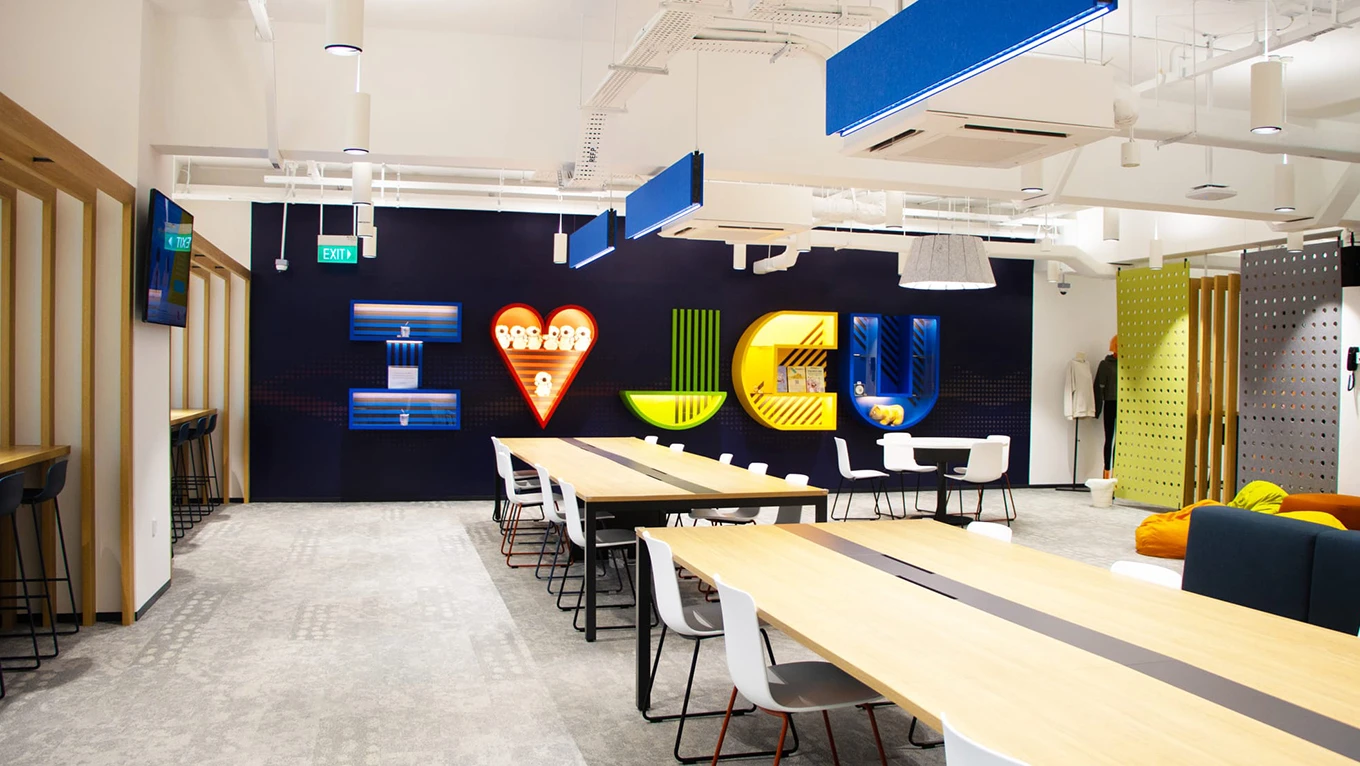
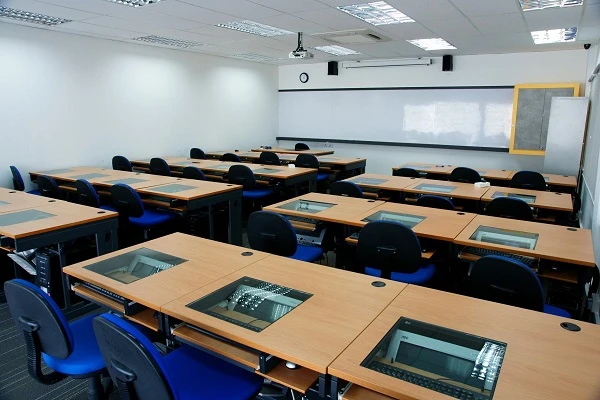
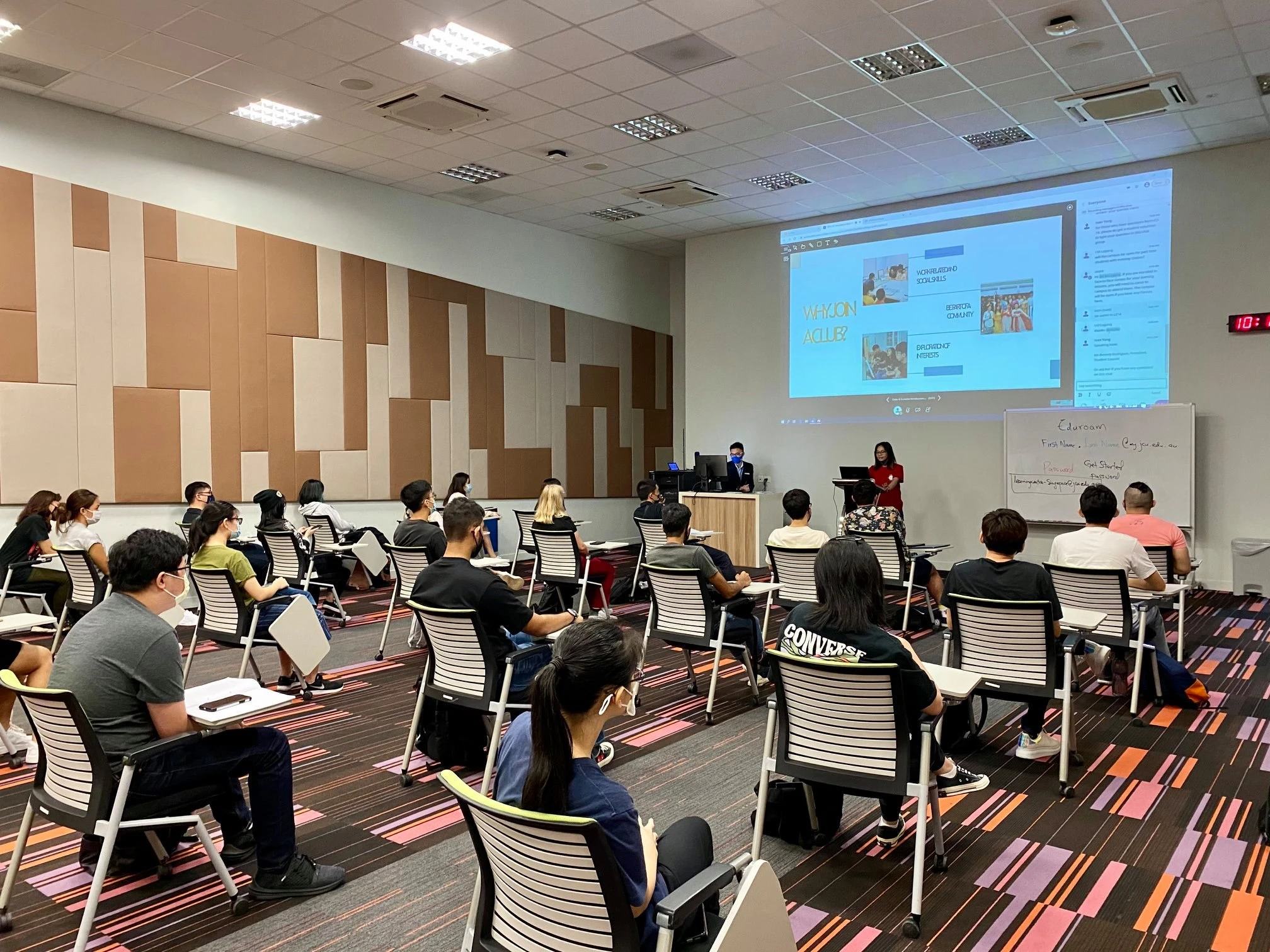
Studying at James Cook University Singapore offers a highly focused and practical environment. The campus features modern discussion rooms and computer labs where students can work on group assignments or analyze economic data. Between classes, students gather at the central campus courtyard or local campus cafes to grab a coffee and talk about their projects. The diverse student body means that classroom discussions about global markets include viewpoints from peers from many different countries, making the study of international economics much more interesting.
Entry Requirements
Review the academic qualifications, grades, and additional criteria needed for admission to this program.

SPM
Minimum 5 credits including Mathematics (C) & English (C)


STPM
Minimum CGPA 3.00 including Mathematics T (C)


DIPLOMA
Minimum CGPA 3.00 including Mathematics T (C)


A-LEVEL
Minimum CGPA 3.00 including Mathematics T (C)


O-LEVEL
Minimum CGPA 3.00 including Mathematics T (C)
ADDITIONAL REQUIREMENTS
- MUET Band 3 or above
- IELTS Overall 6.0 or above
- Has at least one industry level certification in Engineering
Entry Requirement
About this School

Other Courses from This University
Explore all diploma, degree, and postgraduate programs available at this institution.
Courses You Might Be Interested
Explore similar diploma, degree, and postgraduate programs that you matches your interest.