


Diploma in Cyber Forensics and Computer Science (Double Specialisation)

Course Qualification
Diploma

Study Period
8 Months

Study Mode
Full Time

Intakes
April, August, December

Estimate Fee
RM44,436
Course Overview
Building Core Technical Foundations
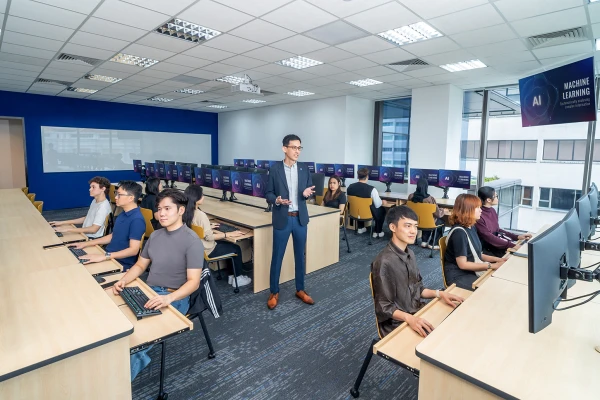
The course starts by introducing students to the foundational rules of software design and system architecture. Instead of just studying theory, students spend their time writing script files, testing logic loops, and debugging code in dedicated computer labs. Early modules focus heavily on computer programming languages like Python or Java, teaching students how databases organize files and how networks move data securely between servers. These classes give students the fundamental knowledge they need to understand exactly how a computing environment operates before they attempt to secure it.
Investigating Digital Evidence
A significant portion of the timetable is spent looking at what happens after a network security incident occurs. Students take on the role of digital investigators, learning how to track malicious activity, recover deleted files, and preserve data without altering the original files. Through structured lab exercises, students use software tools to safely open system logs and track the footprints left by unauthorized users. Instructors use real-world scenarios, such as data leaks or email scams, to teach students how to build a clear timeline of events that could stand up as evidence during a legal inquiry.
Securing Modern Systems
Beyond looking backwards at past incidents, students learn how to set up active defenses against modern digital threats. Students look at real system layouts to find weak spots in web servers, cloud applications, and local networks. Classroom tasks involve exploring how encryption keys protect financial data and testing different firewall rules to block simulated network attacks. Students practice analyzing data packets to differentiate between normal internet traffic and suspicious network scans, helping them learn how to stop unauthorized access before data is compromised.
Classroom Life and Project Work
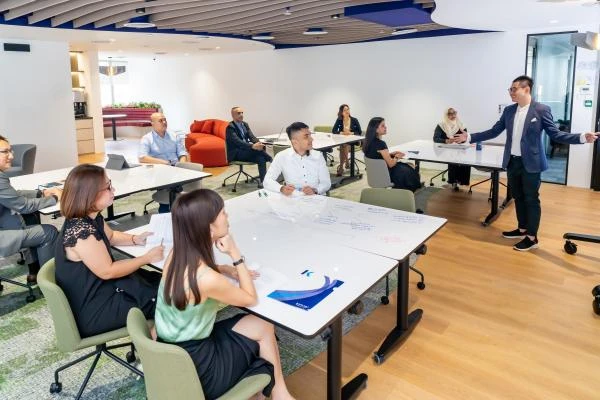
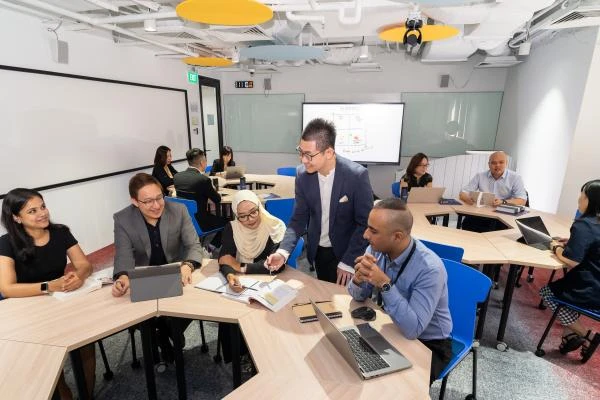
Classes are structured around short lectures followed immediately by hands-on lab sessions, ensuring that students apply what they learn right away. Assessment relies heavily on practical individual assignments and group project work rather than just formal final exams. In typical project assignments, a small group of students might review a specific business case study, identify the security gaps in that company's infrastructure, and present their technical recommendations to the class. This setup mimics the standard working day of a technology professional and helps students learn how to explain technical issues clearly to others.
Progression and Future Pathways
Completing this double specialization opens a direct pathway for students looking to earn a full university degree. Graduates can advance into the second year of related bachelor's degree programs, including those offered on-campus by partner institutions such as Murdoch University at Kaplan Singapore. Students who choose to move straight into the workforce are qualified for entry-level technical roles. Common career paths for graduates include working as a junior cybersecurity analyst, an incident response assistant, a network technician, or a junior systems administrator within corporate IT departments, banks, and technology firms.
Entry Requirements
Review the academic qualifications, grades, and additional criteria needed for admission to this program.

SPM
Minimum 5 credits including Mathematics (C) & English (C)


STPM
Minimum CGPA 3.00 including Mathematics T (C)


DIPLOMA
Minimum CGPA 3.00 including Mathematics T (C)


A-LEVEL
Minimum CGPA 3.00 including Mathematics T (C)


O-LEVEL
Minimum CGPA 3.00 including Mathematics T (C)
ADDITIONAL REQUIREMENTS
- MUET Band 3 or above
- IELTS Overall 6.0 or above
- Has at least one industry level certification in Engineering
Entry Requirement
About this School












Other Courses from This University
Explore all diploma, degree, and postgraduate programs available at this institution.
Courses You Might Be Interested
Explore similar diploma, degree, and postgraduate programs that you matches your interest.