

Diploma in Hospitality and Tourism Management (Double Specialisation)

Course Qualification
Diploma

Study Period
8 Months

Study Mode
Full Time

Intakes
April, August, December

Estimate Fee
RM47,806
Course Overview
Understanding the Hospitality and Tourism Landscape
This course introduces students to the fundamental frameworks that keep the global travel and leisure industries running. Through core subjects like the essentials of tourism systems, students look at how various travel sectors connect, from transportation links to local destination management. The curriculum details practical management concerns, specifically teaching food and beverage management and operations. In these classes, students study menu planning, inventory control, and service workflows, helping them visualize how restaurants and hotel dining departments function on a daily basis.
Developing Business and Analytical Skills
A major focus of the program is building standard business capabilities tailored to the services sector. Students spend time learning principles of accounting and principles of economics to understand budgeting, cost controls, and how market trends influence travel patterns. The modules also cover business statistics and data-driven decision making, where students learn to interpret visitor numbers, sales data, and customer feedback to make practical business choices. Additionally, classes in commercial law teach students about consumer rights, contracts, and business liabilities relevant to hospitality operations.
Marketing Strategy and Group Projects
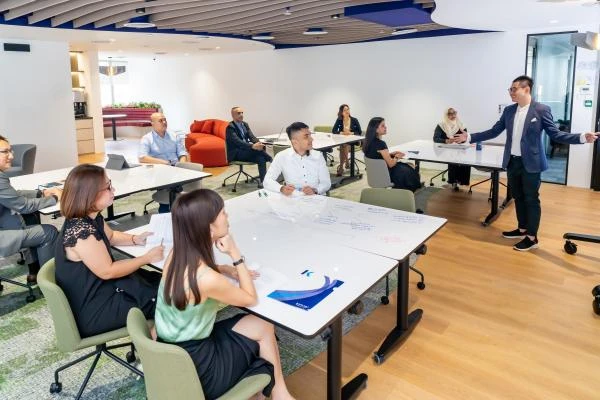
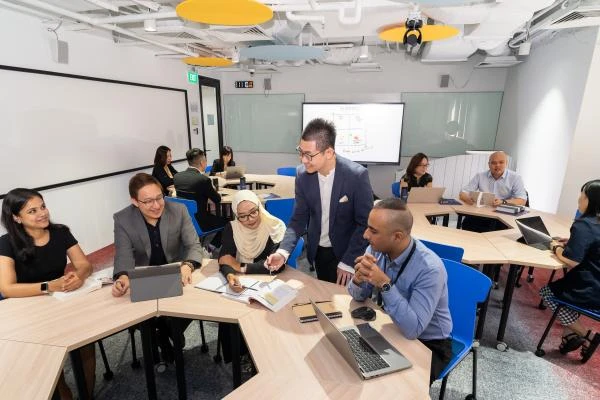
Students learn how to attract guests and manage brand reputation through a specific module on marketing for hospitality and tourism. Instead of just reading textbooks, students regularly analyze real-world business case studies of hotels, airlines, or travel agencies that have faced marketplace challenges. Assignments often involve working in small teams to design a marketing plan or critique a service delivery process. Students practice presenting their ideas clearly, simulating the way project proposals are delivered to management in a professional office or hotel boardroom environment.
Future Academic and Career Pathways
Graduating with this double-specialisation credential gives students a broader understanding of both business operations and guest services. This preparation opens up early career tracks in hotel operations, event planning companies, travel agencies, and food service groups. For those looking to continue their education, the diploma serves as a direct pathway to university degrees. Graduates can progress into various bachelor's degree programs offered by foreign university partners from Australia, Ireland, and the United Kingdom.
Entry Requirements
Review the academic qualifications, grades, and additional criteria needed for admission to this program.

SPM
Minimum 5 credits including Mathematics (C) & English (C)


STPM
Minimum CGPA 3.00 including Mathematics T (C)


DIPLOMA
Minimum CGPA 3.00 including Mathematics T (C)


A-LEVEL
Minimum CGPA 3.00 including Mathematics T (C)


O-LEVEL
Minimum CGPA 3.00 including Mathematics T (C)
ADDITIONAL REQUIREMENTS
- MUET Band 3 or above
- IELTS Overall 6.0 or above
- Has at least one industry level certification in Engineering
Entry Requirement
About this School











Other Courses from This University
Explore all diploma, degree, and postgraduate programs available at this institution.
Courses You Might Be Interested
Explore similar diploma, degree, and postgraduate programs that you matches your interest.