

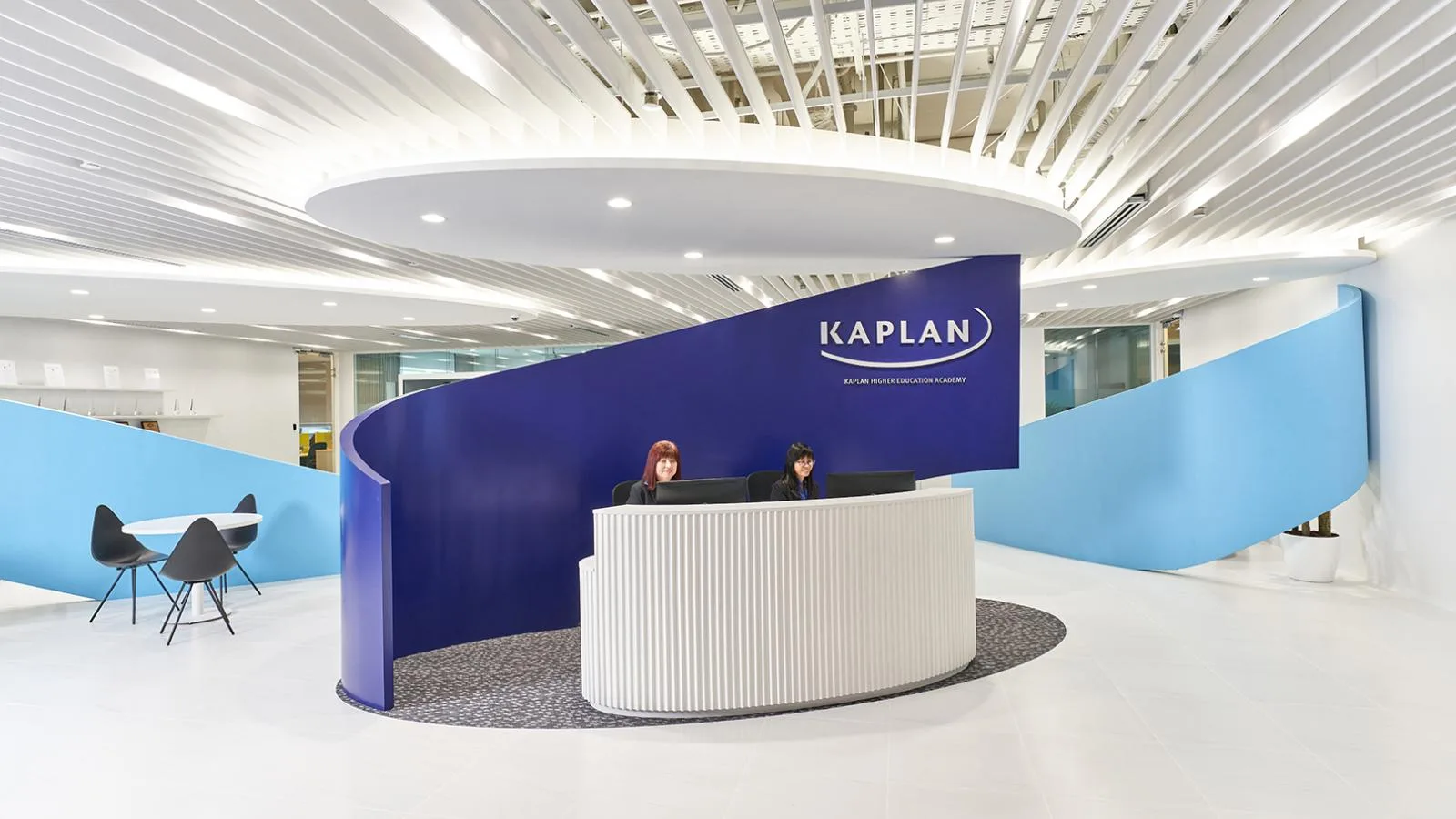

Foundation Diploma (Computing & IT)

Course Qualification
Foundation

Study Period
6 Months

Study Mode
Full Time

Intakes
January, March, May, July, September, November

Estimate Fee
RM16,706
Course Overview
Building the Coding Groundwork
The Foundation Diploma in Computing and IT functions as a practical starting point for students who want to enter the technology field but lack a formal background in programming. Rather than focusing entirely on abstract math or dense reading, the introductory phase introduces core concepts like logical structured thinking, algorithmic reasoning, and basic data organization. Students spend time working through fundamental programming syntax, learning how a computer interprets instructions, and building short programs from scratch using basic code structures. This helps demystify software development and ensures that students become comfortable with standard development toolkits and syntax rules before advancing to more complex structures.
Classroom Projects and Problem Solving
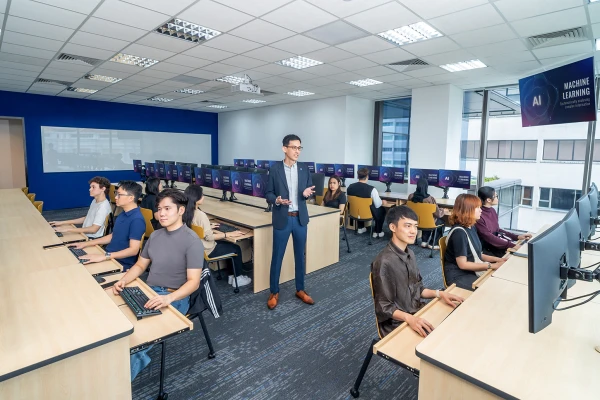
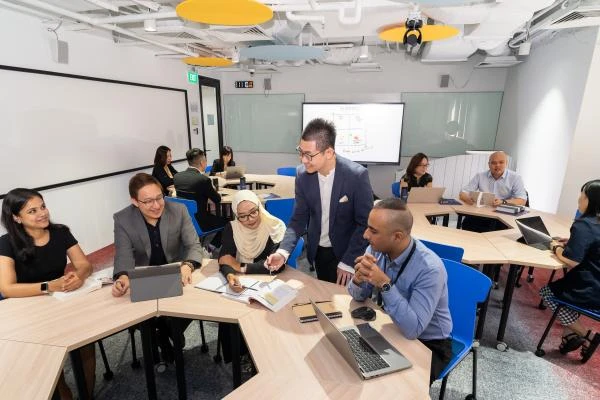
The educational style is hands-on and centers around lab activities, structured coding exercises, and real-world logic problems. Instead of memorizing definitions, students practice key tech principles through direct software applications during sessions. For example, in modules like Basic Programming and Computing Skills, students write clean scripts, fix syntax errors in broken code, and design simple functional databases. In the Critical Thinking and Innovation module, classes use small group setups where students dissect everyday tech problems, map out software logic on whiteboards, and present computational answers. This mix of mathematics and practical technology training ensures students understand the reasoning behind the software solutions they construct.
Adjusting to Campus and Academic Life
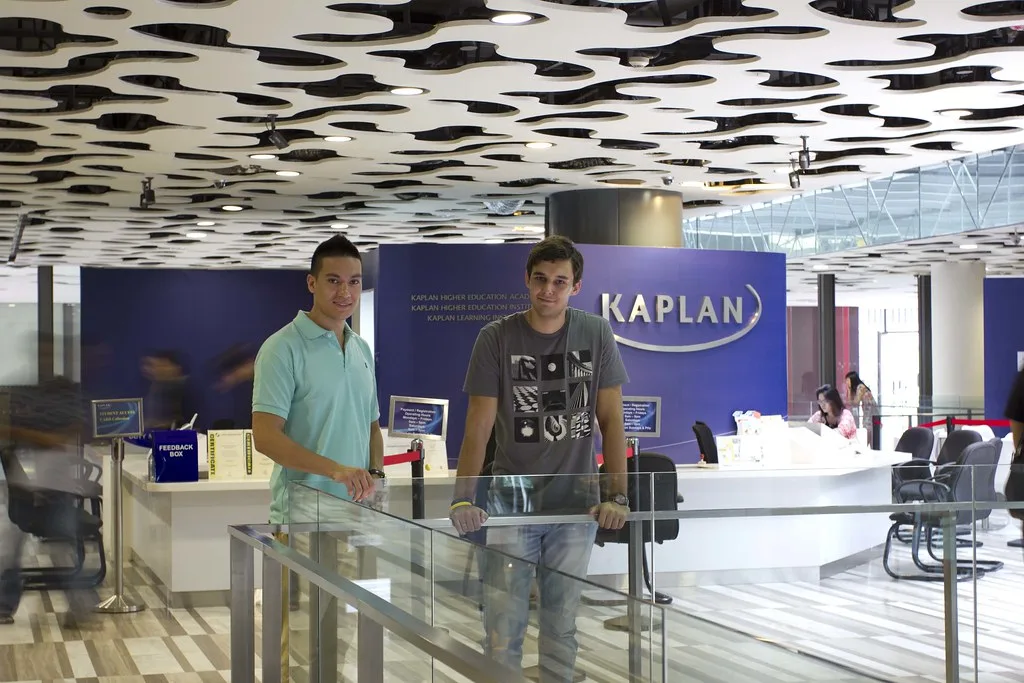
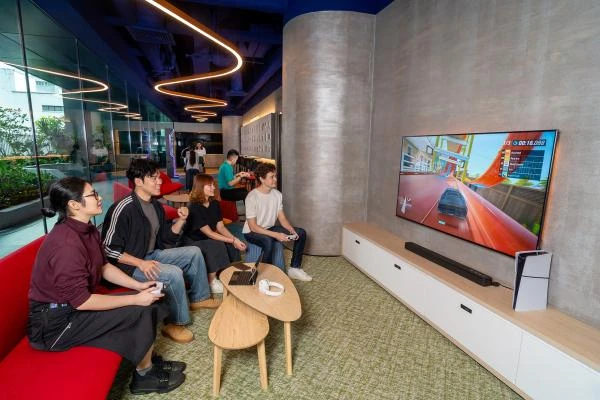
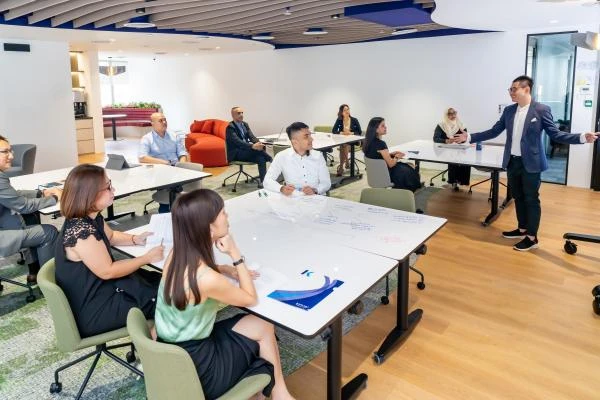
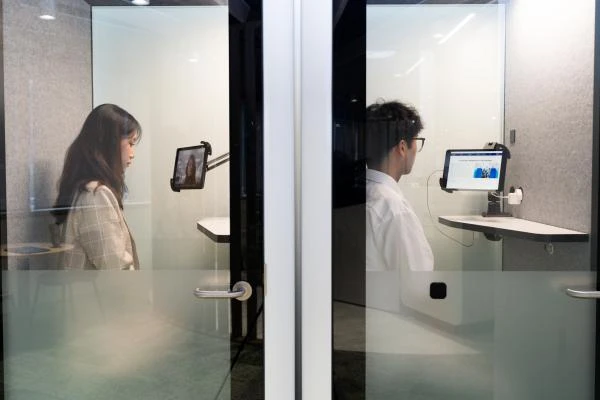
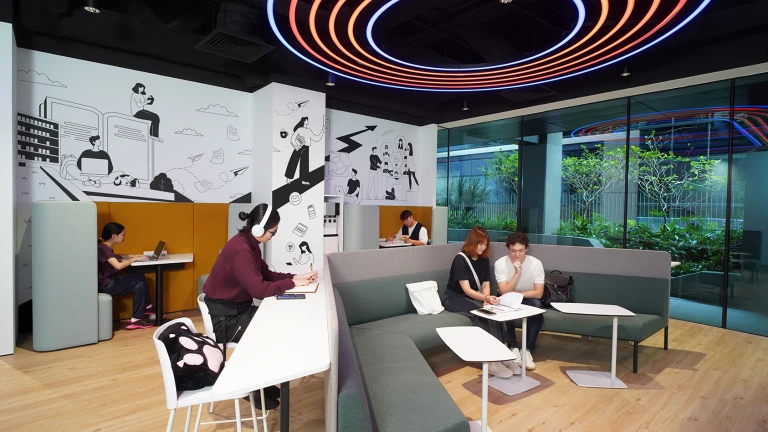
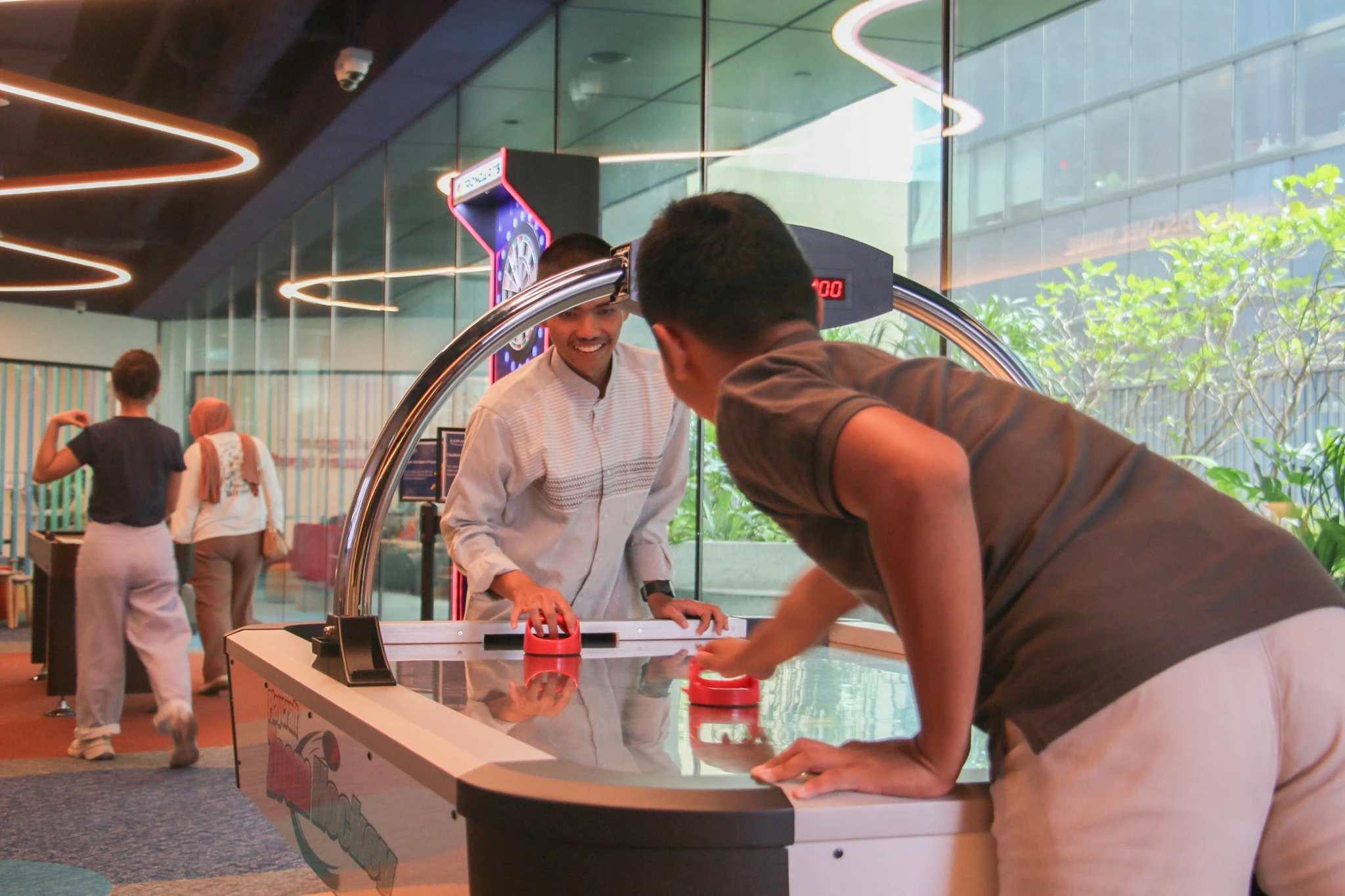
Taking place at the city campus located right in the middle of Singapore near multiple transit hubs, the program provides an open and supportive environment for international students adjusting to higher education. Academic advisors and teaching staff offer regular guidance to help high school graduates adapt to tertiary schedules and assignment requirements. Modules like Academic Skills and Communication Studies teach students how to structure academic essays, conduct basic research, and deliver professional technical presentations. Outside of formal lectures, students spend time in student lounges, work in modern computer labs, and join group study blocks where they can debug code with peers and build technical confidence together.
Future Academic and Tech Paths
Completing this six-month foundation course creates a clear, direct academic pathway toward specialized technology degrees. Graduates satisfy the entry prerequisites to transition immediately into a full Kaplan Diploma in Information Technology. From there, credits can be used to progress into the second year of various Bachelor's Degree options in computer science, cybersecurity, or data analytics awarded by recognized university partners across the UK, Australia, and Ireland. By establishing solid habits in software usage, mathematical formulation, and critical analysis early on, students are well-prepared for advanced computing modules and future technical roles.
Entry Requirements
Review the academic qualifications, grades, and additional criteria needed for admission to this program.

SPM
Minimum 5 credits including Mathematics (C) & English (C)


STPM
Minimum CGPA 3.00 including Mathematics T (C)


DIPLOMA
Minimum CGPA 3.00 including Mathematics T (C)


A-LEVEL
Minimum CGPA 3.00 including Mathematics T (C)


O-LEVEL
Minimum CGPA 3.00 including Mathematics T (C)
ADDITIONAL REQUIREMENTS
- MUET Band 3 or above
- IELTS Overall 6.0 or above
- Has at least one industry level certification in Engineering
Entry Requirement
About this School









Other Courses from This University
Explore all diploma, degree, and postgraduate programs available at this institution.
Courses You Might Be Interested
Explore similar diploma, degree, and postgraduate programs that you matches your interest.