

_cover.webp)
Advanced Diploma in Management Studies (Business Administration)

Course Qualification
Diploma

Study Period
6 Months

Study Mode
Full Time

Intakes
February, April, August, June, December, October

Estimate Fee
RM36,126
Course Overview
Understanding Core Business Operations
This course introduces students to the essential elements of running and supervising a business operation. Instead of just learning broad concepts, students look closely at actual operations through subjects like Productions and Operations Management and Marketing Management. The modules show how companies manage daily workflows, organize manufacturing or service processes, and promote their products to consumers. Students learn how to analyze practical workflow issues and understand how different parts of a company work together to deliver value.
Developing Financial and Legal Knowledge
A large portion of the program focuses on practical professional knowledge that supervisors use every day. In Management Accounting, students learn how to track business costs, look at financial summaries, and use numbers to make everyday choices. Alongside financials, the Business Law module teaches students about the legal responsibilities of running an enterprise. This helps students understand contracts, employment guidelines, and basic corporate regulations so they can make safer decisions in managerial roles.
Exploring Human Behaviour and Innovation
To prepare for leadership positions, students explore how individuals behave within an organization. The Organisational Behaviour module explains what motivates staff, how teams form, and how to manage workplace conflicts calmly. Students also study Innovation and Entrepreneurship, where they learn how to spot new market opportunities and design basic business plans. This helps students think creatively when solving problems rather than just following old routines.
Classroom Life and Assessments
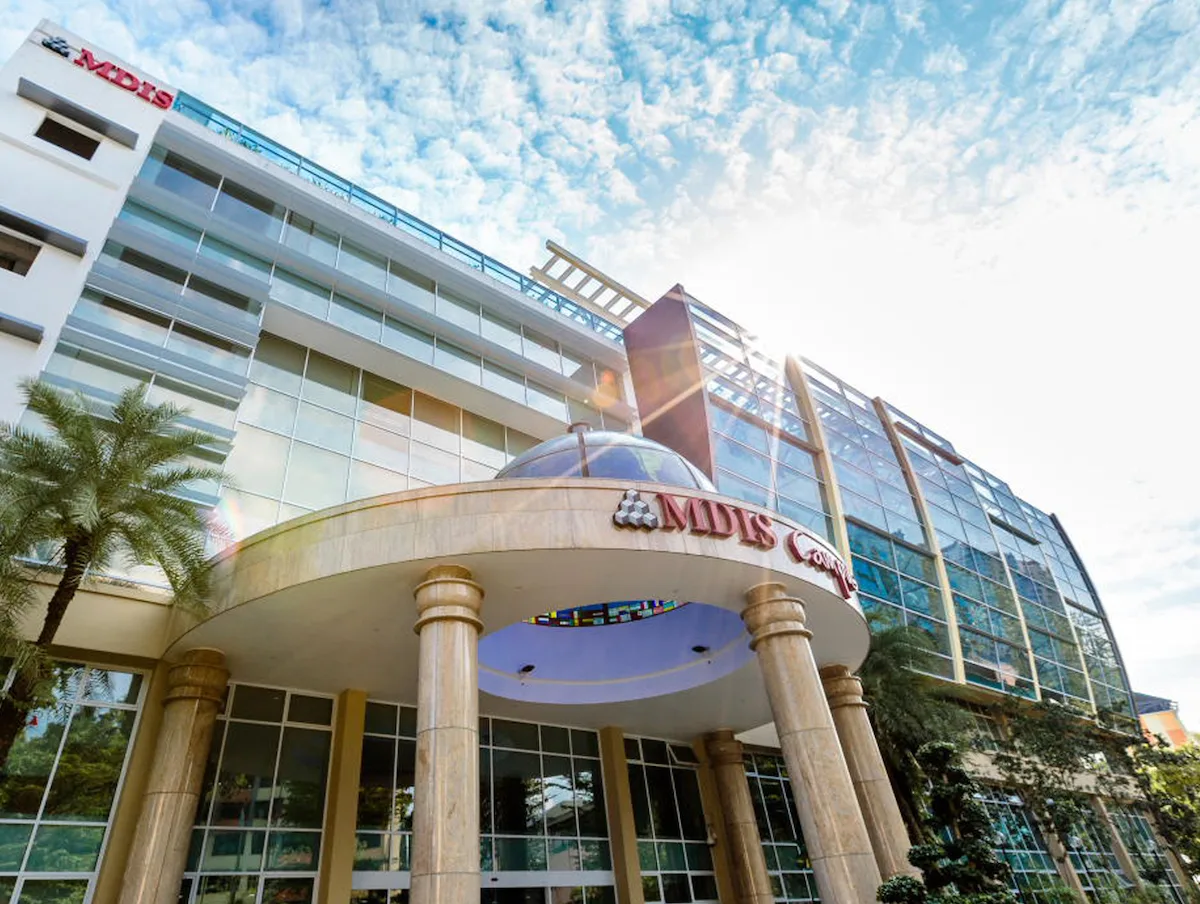
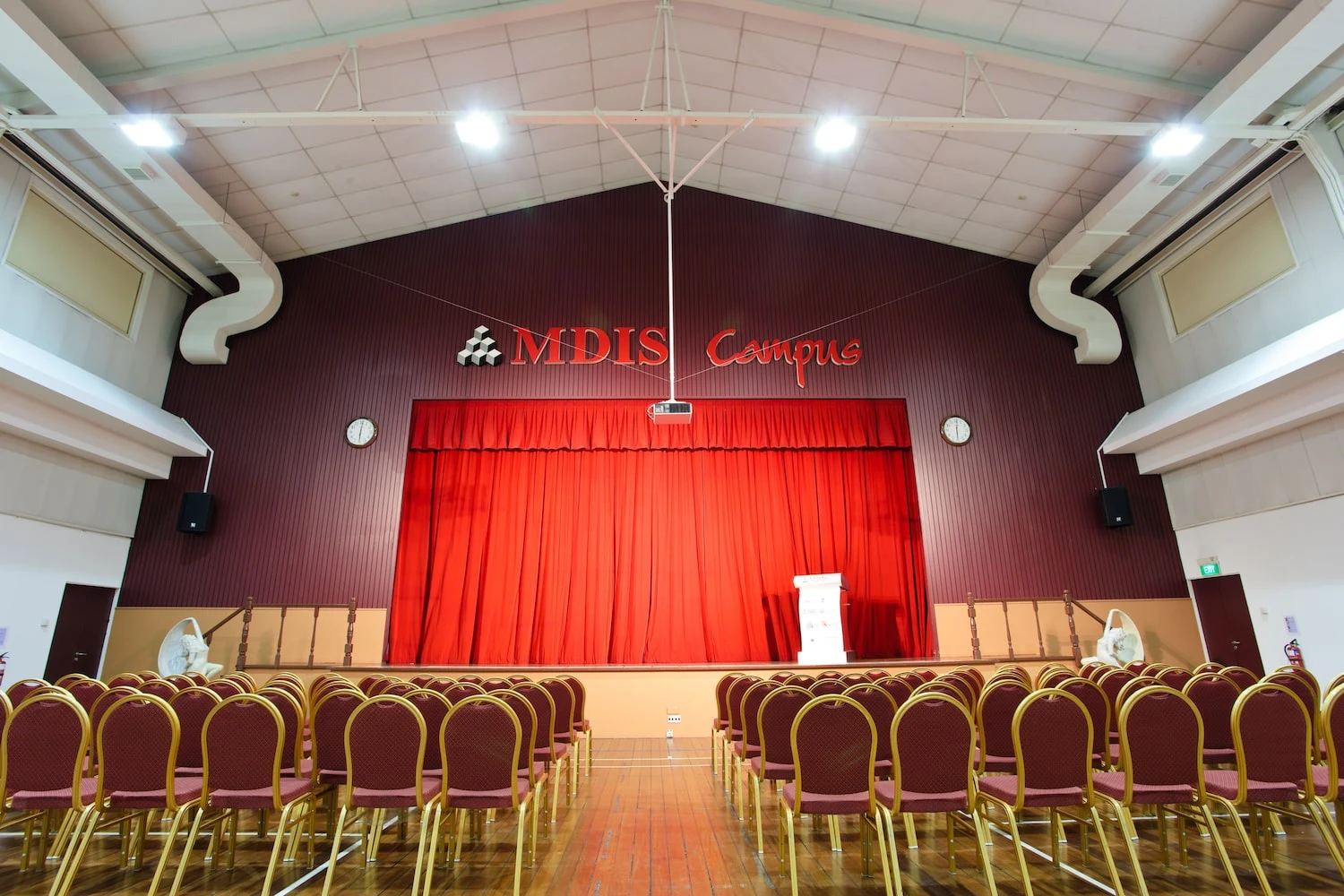
Learning takes place through standard lectures and smaller tutorial groups, maintaining a balanced learning structure at the MDIS Campus. Students are not graded on final exams alone. Instead, grades come from a combination of class participation, individual assignments, group presentations, and written tests. This layout means students practice speaking clearly and defending their ideas in front of others, which mirrors real meeting room environments.
Future Educational Pathways
Completing this course sets up a clear path toward a formal university degree. The credits earned help students transition directly into relevant undergraduate business or accounting programs. This makes the course a helpful stepping stone for those who want a shorter qualification first before committing to a full multi-year degree program.
Entry Requirements
Review the academic qualifications, grades, and additional criteria needed for admission to this program.

SPM
Minimum 5 credits including Mathematics (C) & English (C)


STPM
Minimum CGPA 3.00 including Mathematics T (C)


DIPLOMA
Minimum CGPA 3.00 including Mathematics T (C)


A-LEVEL
Minimum CGPA 3.00 including Mathematics T (C)


O-LEVEL
Minimum CGPA 3.00 including Mathematics T (C)
ADDITIONAL REQUIREMENTS
- MUET Band 3 or above
- IELTS Overall 6.0 or above
- Has at least one industry level certification in Engineering
Entry Requirement
About this School


















Other Courses from This University
Explore all diploma, degree, and postgraduate programs available at this institution.
Courses You Might Be Interested
Explore similar diploma, degree, and postgraduate programs that you matches your interest.