

_cover.webp)

Bachelor of Engineering (Hons) Electronic and Electrical

Course Qualification
Degree

Study Period
36 Months

Study Mode
Full Time

Intakes
January, May, September

Estimate Fee
MYR113,546.00
Tuition fee details
Estimated total programme tuition for the full course duration.
- Domestic students
- MYR 113,546.00
- International students
- MYR 113,546.00
Course Overview
Key Topics of Study
The program provides a comprehensive look into modern electronic systems, circuits, and electrical infrastructure. Students start with fundamental topics like engineering mathematics, electronic principles, and instrumentation physics to build a strong mathematical and scientific background. As the course progresses, the focus shifts to advanced fields including industrial electronics, digital design, programmable logic controllers (PLCs), embedded systems, and power systems engineering. These modules ensure students understand how physical electronics connect with digital control systems in automated industries.
Practical Learning and Assignments
Students spend significant time learning through actual technical application rather than just memorizing facts. Classroom knowledge is regularly tested in modern lab environments where students configure circuits, program embedded systems, and analyze electrical machinery behavior. Instead of depending entirely on exams, the program uses diverse assessment methods such as written coursework, practical presentation assignments, and structural project designs. The final year centers heavily around an individual engineering project, allowing students to design, troubleshoot, and demonstrate a working electronic system from scratch.
Campus Resources and Experience
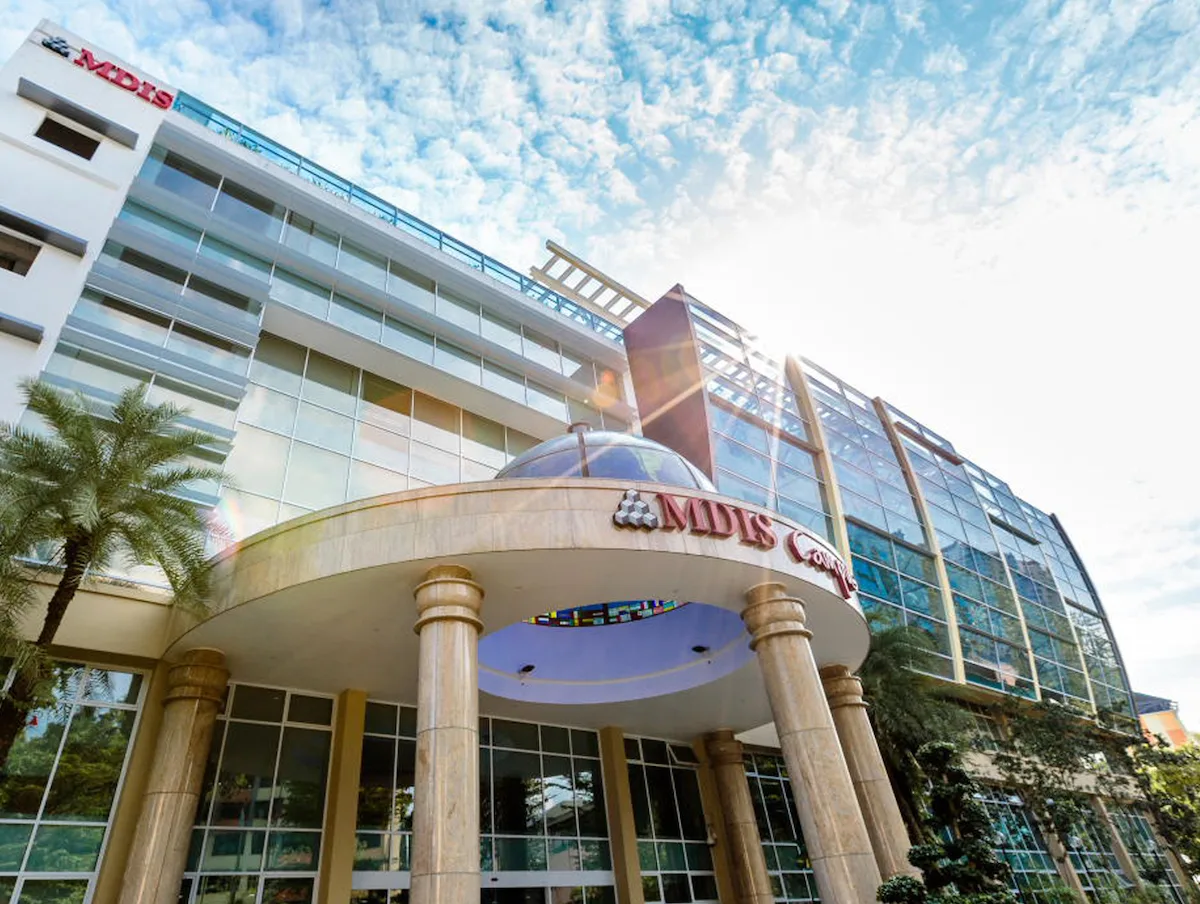
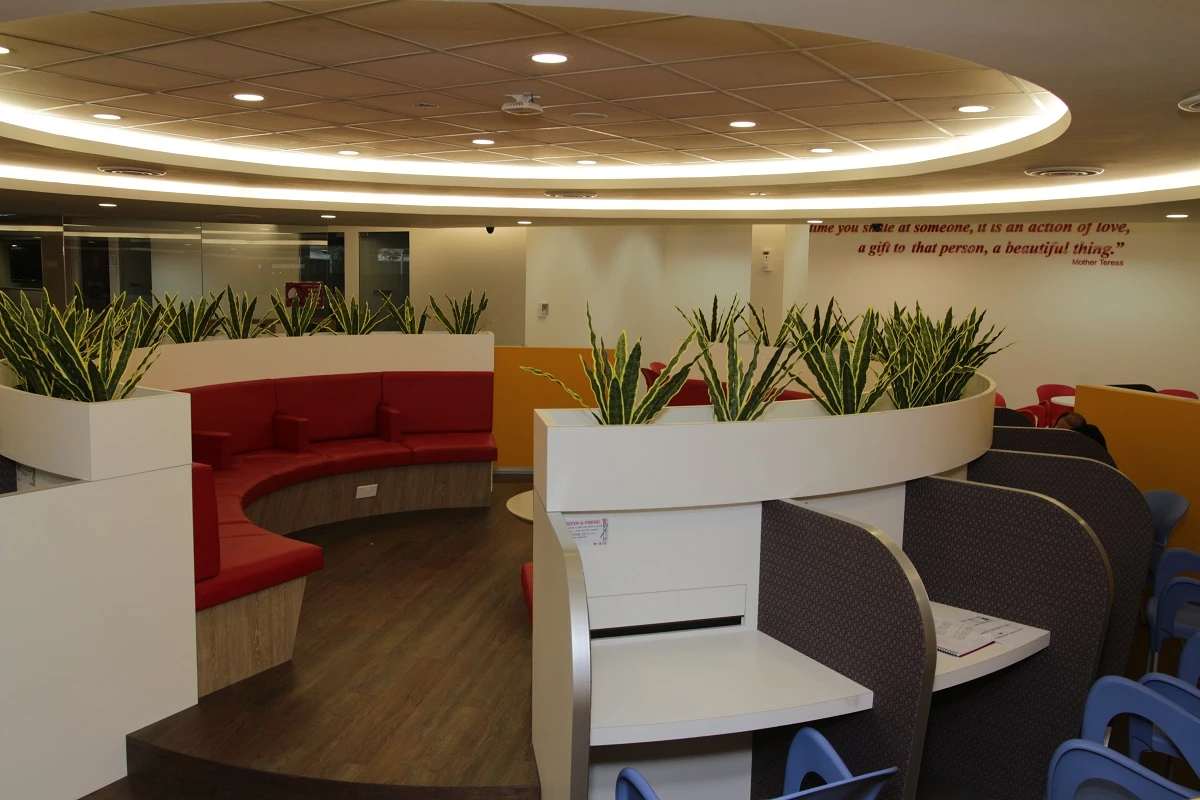
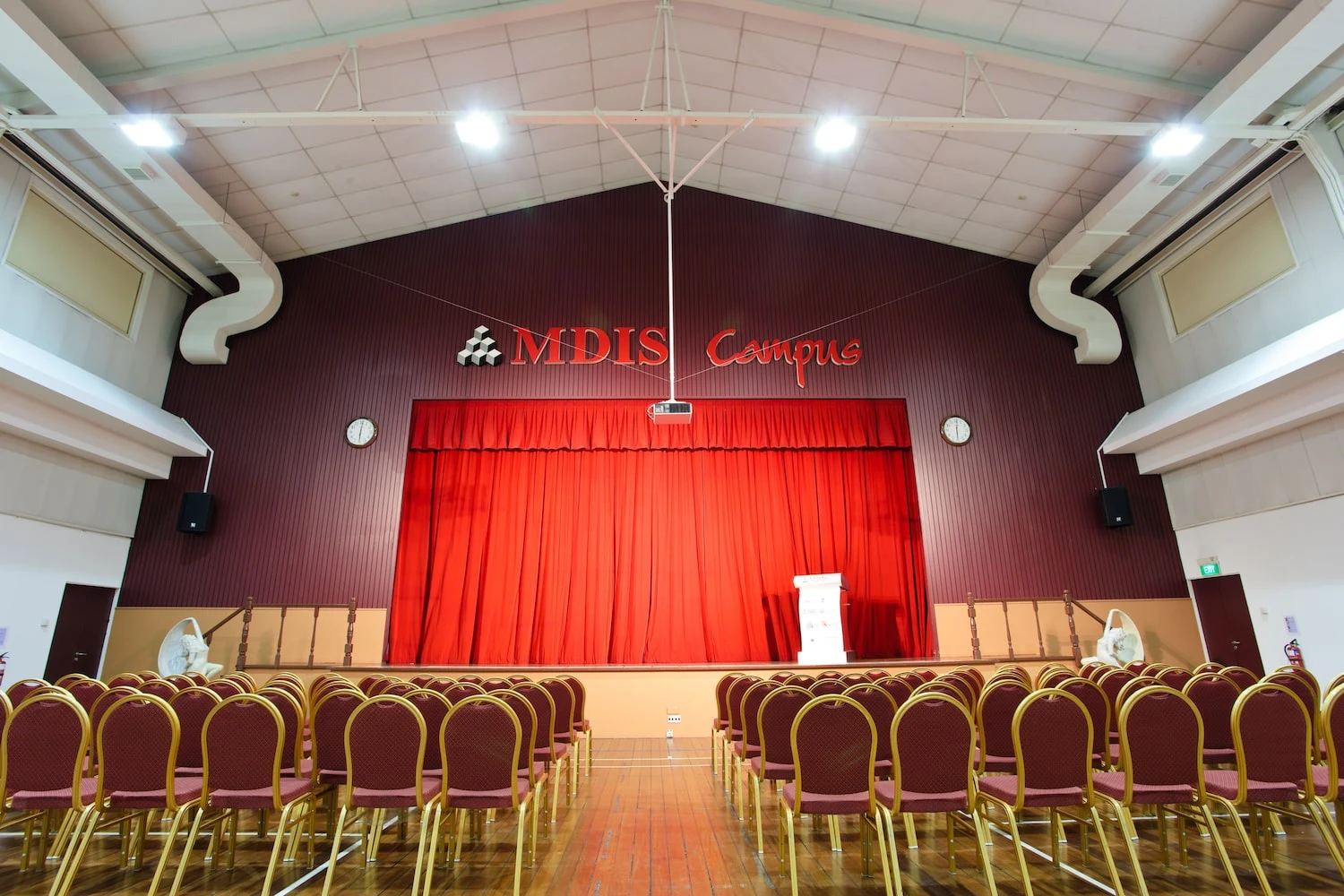
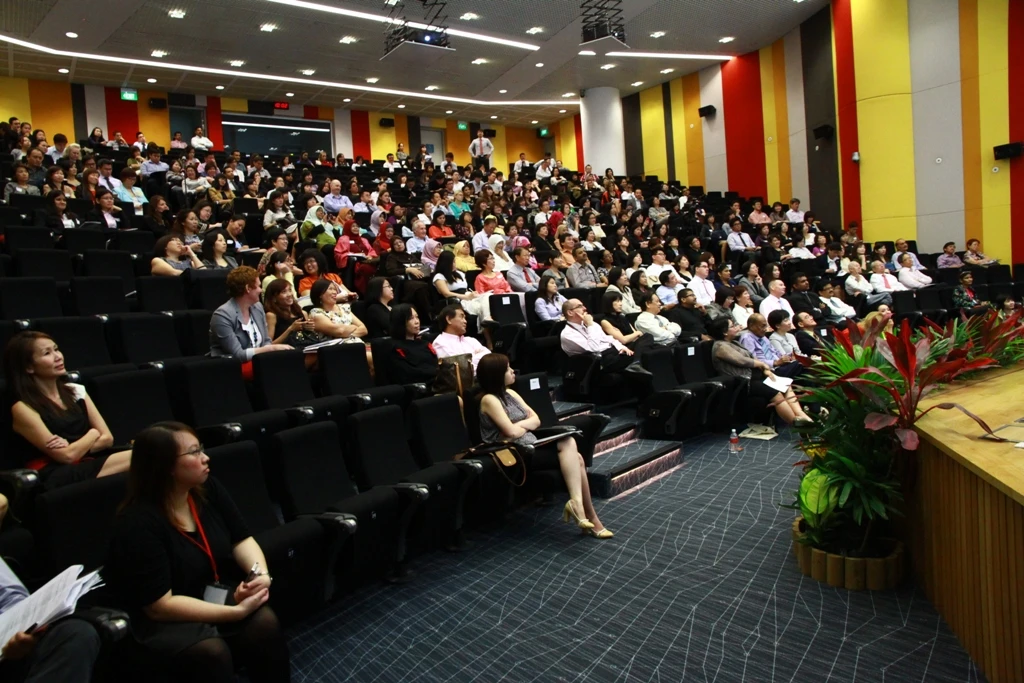
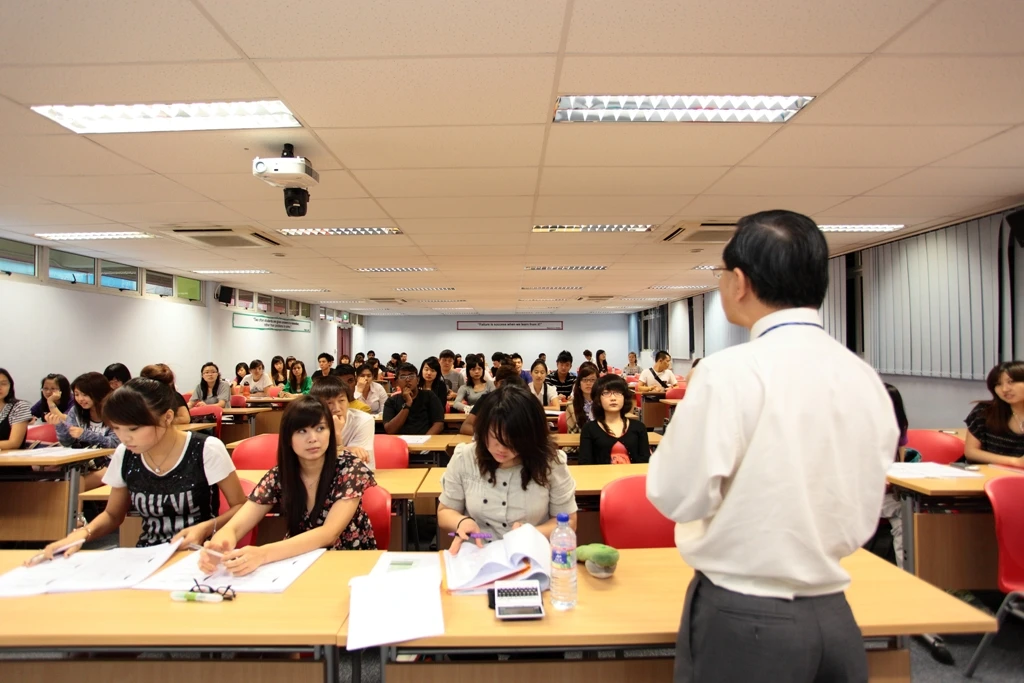
Studying at the Management Development Institute of Singapore means gaining access to specialized engineering facilities designed to mirror industrial layouts. Students use software tools for circuit simulation and digital electronics design during tutorial classes, which are kept to a small 1:30 teacher-to-student ratio to guarantee personal guidance. Beyond the labs, the campus community hosts various engineering interest groups and academic workshops that help international students adjust comfortably to living and studying in Singapore.
Future Career Paths
Graduates are prepared to step directly into technical roles across a variety of manufacturing and technological fields. Because the training spans both high-voltage power networks and delicate digital electronics, graduates can pursue careers in semiconductor design, automated systems engineering, robotics, renewable energy management, or telecommunications networking. The qualification also acts as a solid base for students who wish to advance into specialized research fields or master’s level engineering programs.
Entry Requirements
Review the academic qualifications, grades, and additional criteria needed for admission to this program.

SPM
Minimum 5 credits including Mathematics (C) & English (C)


STPM
Minimum CGPA 3.00 including Mathematics T (C)


DIPLOMA
Minimum CGPA 3.00 including Mathematics T (C)


A-LEVEL
Minimum CGPA 3.00 including Mathematics T (C)


O-LEVEL
Minimum CGPA 3.00 including Mathematics T (C)
ADDITIONAL REQUIREMENTS
- MUET Band 3 or above
- IELTS Overall 6.0 or above
- Has at least one industry level certification in Engineering
Entry Requirement
About this School















Other Courses from This University
Explore all diploma, degree, and postgraduate programs available at this institution.
Courses You Might Be Interested
Explore similar diploma, degree, and postgraduate programs that you matches your interest.