

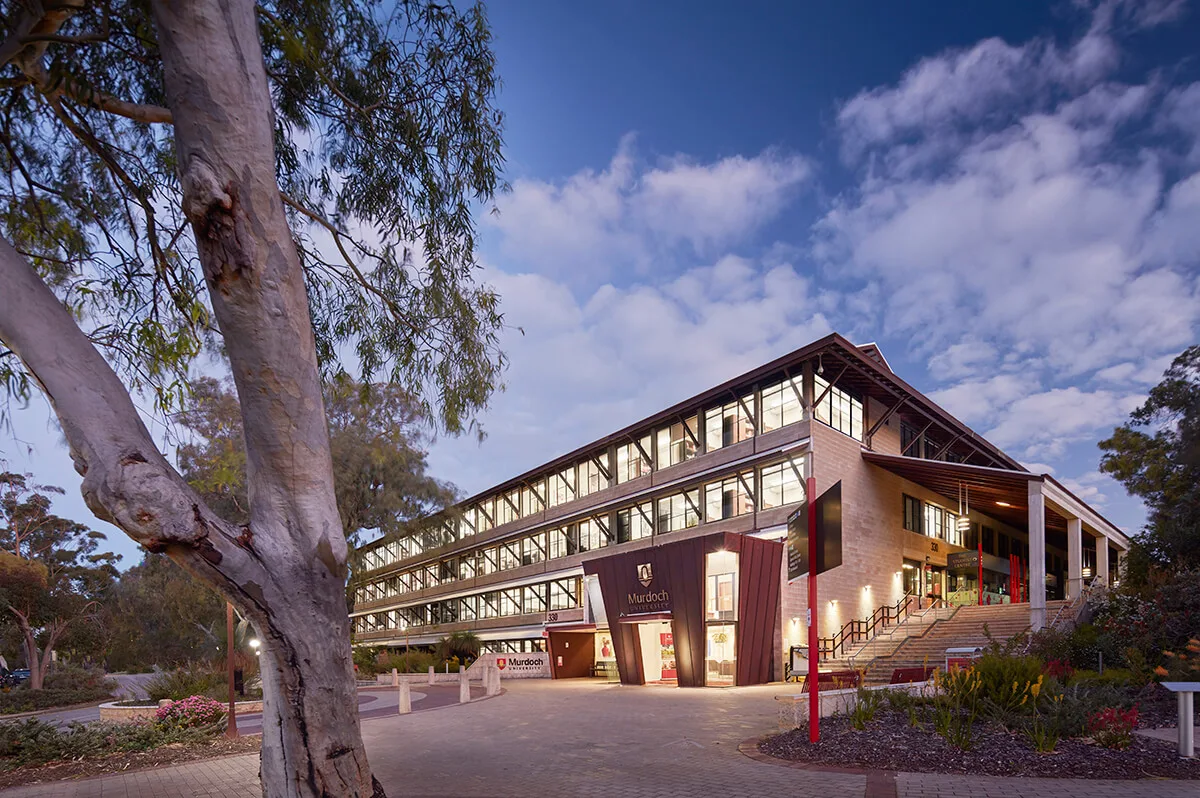

Bachelor of Conservation and Wildlife Biology

Course Qualification
Degree

Study Period
3 Years

Study Mode
Full Time

Intakes
July, February

Estimate Fee
RM335,016
Course Overview
A Journey Through Biodiversity and Ecology
Students in this course explore the complex relationship between human activity and the natural world. The curriculum moves from foundational Introduction to Biology and Environmental Science units in the first year to specialized topics like Wildlife Ecology, Conservation Genetics, and Marine Conservation. Learners study how to manage fragile ecosystems and protect endangered species by combining hard scientific data with an understanding of the social and economic policies that drive conservation efforts.
The Student Experience: Science in Action
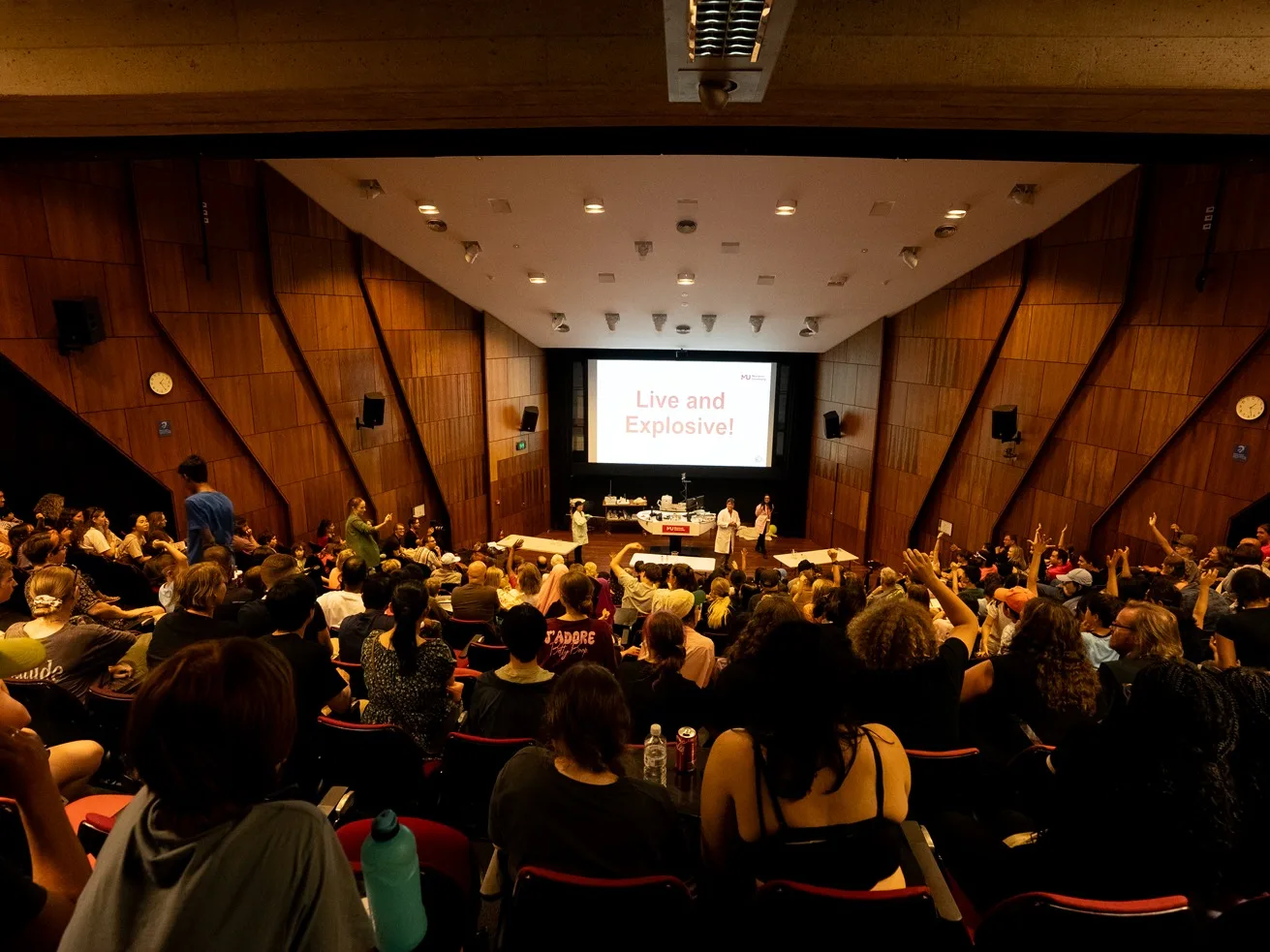
Life as a student in this program is active and collaborative. While there are traditional lectures, much of the academic expectations revolve around practical application. Students spend significant time in modern laboratories and participate in extensive field survey training. The pace is steady but intensifies during research projects, where students might analyze real-world case studies or work on conservation strategies that impact local and global biota. Interaction with teaching staff—many of whom have professional experience in the field—is direct and focused on developing industry-ready technical skills.
Learning Beyond the Classroom
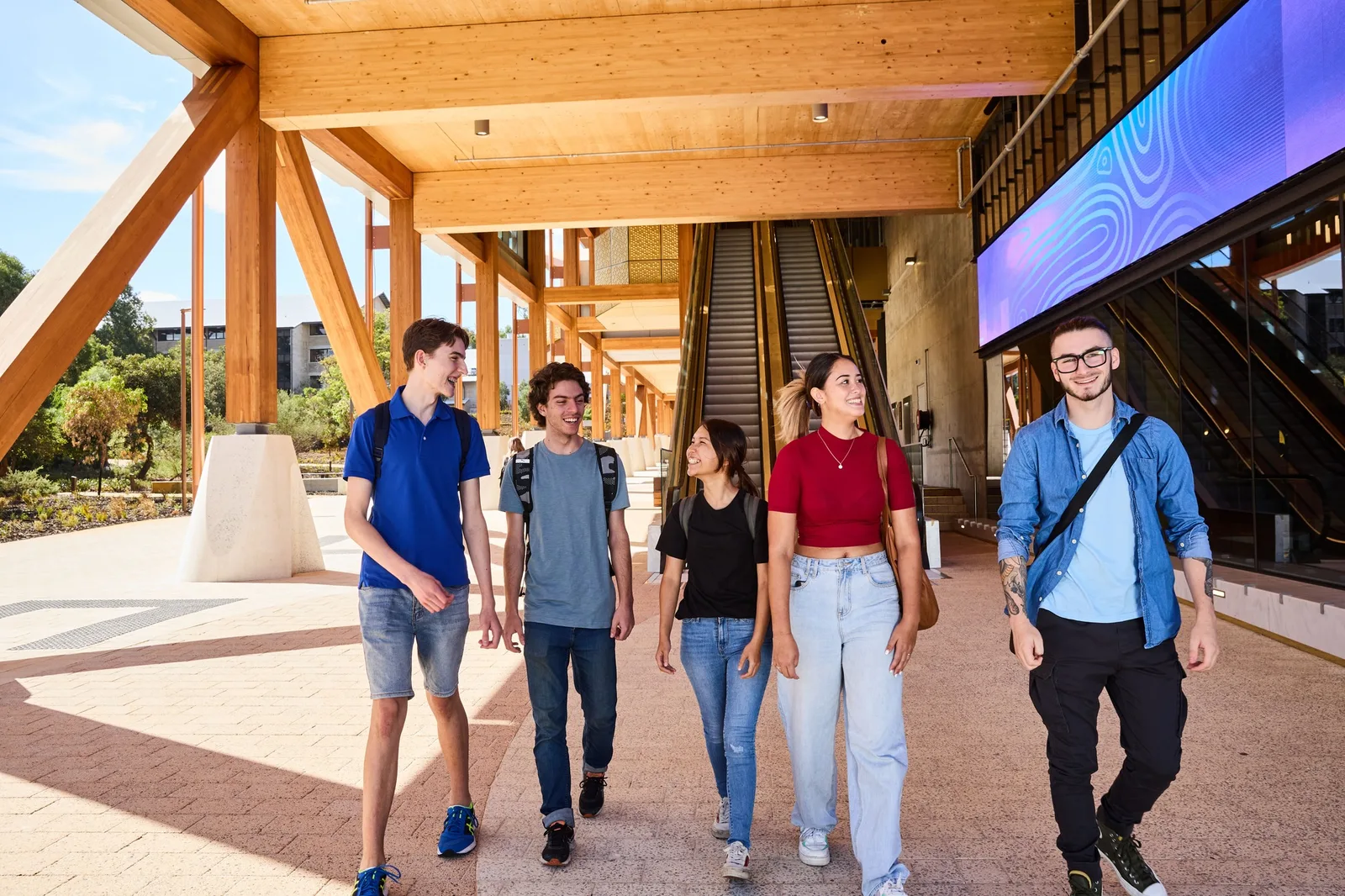
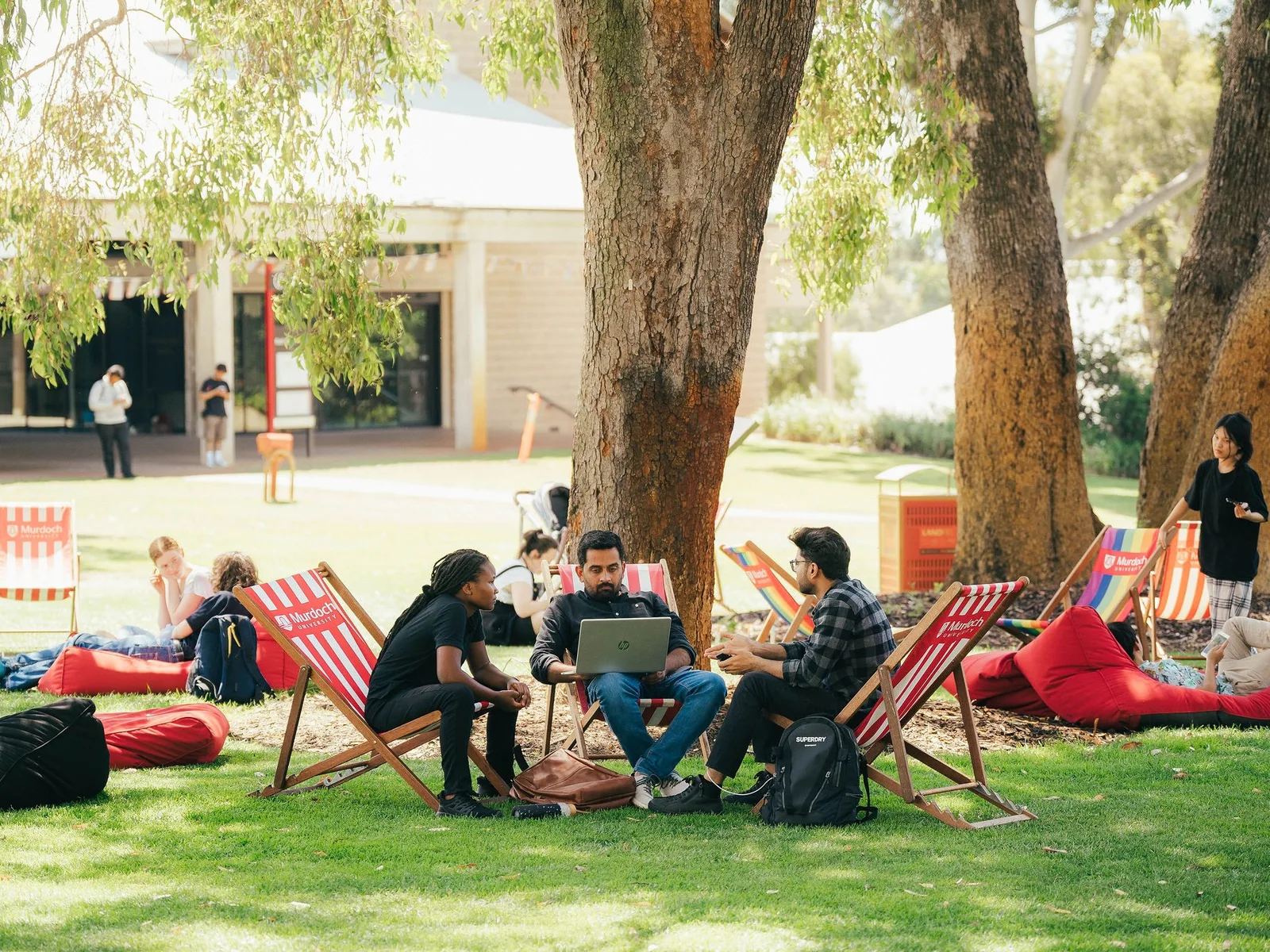
The Perth campus environment is uniquely suited to this discipline, offering access to diverse Australian ecosystems that serve as living laboratories. Students don’t just read about wildlife; they immerse themselves in it through field research camps and outdoor survey exercises. This hands-on lifestyle fosters a close-knit community of environmentally conscious peers who work together on ecological assessments. This collaborative culture prepares students for the teamwork required in professional environmental consultancy and government agency roles.
Strategic Preparation for Global Impact
This degree is specifically designed to meet high employer demand for graduates with applied field skills. By the time they finish, students are proficient in laboratory techniques, data analysis, and field research methodologies. This preparation opens pathways into careers as research scientists, wildlife ecologists, or park managers. Additionally, the broad scientific foundation allows for further specialization in environmental law, education, or journalism, ensuring graduates can influence the future of the planet from multiple professional angles.
Entry Requirements
Review the academic qualifications, grades, and additional criteria needed for admission to this program.

SPM
Minimum 5 credits including Mathematics (C) & English (C)


STPM
Minimum CGPA 3.00 including Mathematics T (C)


DIPLOMA
Minimum CGPA 3.00 including Mathematics T (C)


A-LEVEL
Minimum CGPA 3.00 including Mathematics T (C)


O-LEVEL
Minimum CGPA 3.00 including Mathematics T (C)
ADDITIONAL REQUIREMENTS
- MUET Band 3 or above
- IELTS Overall 6.0 or above
- Has at least one industry level certification in Engineering
Entry Requirement
About this School




Other Courses from This University
Explore all diploma, degree, and postgraduate programs available at this institution.
Courses You Might Be Interested
Explore similar diploma, degree, and postgraduate programs that you matches your interest.