


Master of Medical Equipment Engineering

Course Qualification
Master

Study Period
1 Year 6 Months

Study Mode
Full Time

Intakes
January, June, September

Estimate Fee
MYR35,000.00
Tuition fee details
Estimated total programme tuition for the full course duration.
- Domestic students
- MYR 35,000.00
- International students
- MYR 48,000.00
Course Overview
This postgraduate programme bridges the gap between engineering principles and the practical demands of modern healthcare. It is designed for science and engineering graduates who want to specialize in creating, managing, and maintaining medical devices used in hospitals and clinics. Students learn to approach technical challenges from a clinical perspective, ensuring that new technologies directly improve patient safety and hospital workflows.
Exploring Biomedical Systems and Anatomy
The curriculum starts by teaching engineers how the human body functions and how clinical environments operate. Through subjects like medicine and surgery for engineers, students study basic anatomy, clinical workflows, and how doctors use technology during medical procedures. They look at the circuits, signals, and control systems that power diagnostic instruments. By understanding both hardware limitations and biological requirements, students learn how to design safer, more efficient equipment as detailed on the official Perdana University Course Page.
Advanced Technologies and Projects
As students progress, they dive into modern digital healthcare applications. The training covers telemedicine, medical data communication, and digital health networks. Students also select specialized elective subjects depending on their career goals. These options include medical imaging systems, biomechatronics, medical robotics, and the integration of artificial intelligence in healthcare technology. Instead of just reading textbooks, students complete case studies, evaluate technical faults in device blueprints, and complete a dedicated engineering project where they develop or improve a specific medical device prototype.
Hospital Management and Safety Compliance
Beyond technical design, the programme teaches students how to manage technology assets within a healthcare institution. The medical engineering management module introduces maintenance schedules, hospital procurement strategies, and strict international safety standards. Students learn how regulatory bodies evaluate new medical equipment before it can be used on patients. This preparation helps individuals understand the compliance frameworks required by international manufacturers and government health departments.
Campus Environment and Career Directions
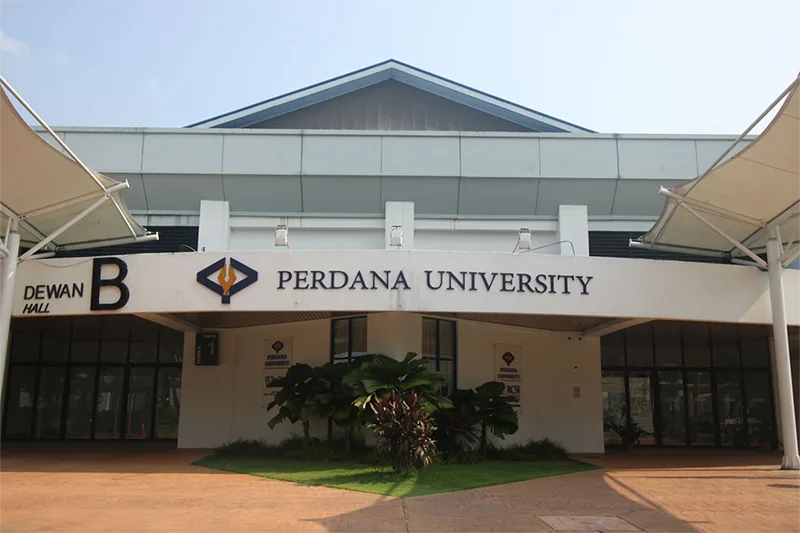
Classes are conducted at the university's city campus located in Damansara Heights, Kuala Lumpur, which is a short walk from the Semantan MRT Station. This central location makes it easy for students to travel to classes and access resources at the Perdana University Learning Resource Centre. After finishing the program, graduates frequently find work as clinical engineers in public or private hospitals, research assistants, or development engineers for international medical device corporations.
Entry Requirements
Review the academic qualifications, grades, and additional criteria needed for admission to this program.

SPM
Minimum 5 credits including Mathematics (C) & English (C)


STPM
Minimum CGPA 3.00 including Mathematics T (C)


DIPLOMA
Minimum CGPA 3.00 including Mathematics T (C)


A-LEVEL
Minimum CGPA 3.00 including Mathematics T (C)


O-LEVEL
Minimum CGPA 3.00 including Mathematics T (C)
ADDITIONAL REQUIREMENTS
- MUET Band 3 or above
- IELTS Overall 6.0 or above
- Has at least one industry level certification in Engineering
Entry Requirement
About this School




Other Courses from This University
Explore all diploma, degree, and postgraduate programs available at this institution.
Courses You Might Be Interested
Explore similar diploma, degree, and postgraduate programs that you matches your interest.