

Bachelor of Music (Honours) Music Performance And Recording

Course Qualification
Degree

Study Period
1 Year

Study Mode
Full Time

Intakes
March, September

Estimate Fee
RM81,837
Course Overview
Developing Technical and Practical Musicianship
This undergraduate programme focuses heavily on practical execution, helping musicians develop their technical performance styles alongside studio tracking capabilities. Students spend their time expanding their repertoire, practicing solo pieces, and preparing for live showcases through specific modules like Performance for Audience and Performance for Industry. Instead of relying only on traditional lectures, the learning environment heavily features practical performance assessments where students showcase their musicality. Repertoire criteria generally align with advanced diploma standards, ensuring that students refine their individual style on their chosen instruments or vocals.
Mastering Modern Audio Engineering Tools
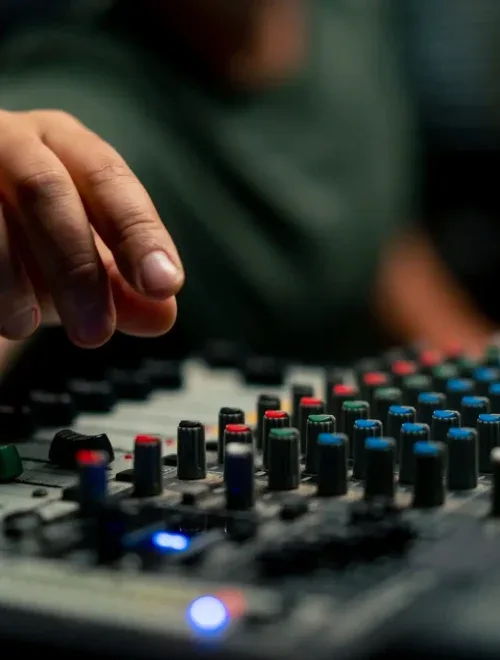
A significant part of the training focuses on tracking, editing, and mixing audio using contemporary music technology. In the Recording Tools module, students learn the technical workflows required to capture acoustic sounds, program electronic instruments, and arrange digital compositions right from their desktops. Students move directly from basic theory into handling real tracking sessions, giving them the confidence to run a studio deck independently. These studio activities ensure that musicians know how to communicate effectively with sound engineers and handle their own technical production setups.
Learning inside Professional Recording Environments
Students complete their projects inside specialized campus spaces, including over 40 individual practice rooms, 4 ensemble spaces, and the professional-grade Singapore Raffles Production Suite (SRPS). Working in these spaces allows students to experiment with industry-standard hardware microphones, mixing consoles, and audio editing software. The main capstone requirement, the Performance and Recording Project, brings performance and tech together, requiring students to compose, record, and polish a portfolio of original music tracks.
Navigating the Commercial Music Business
To prepare for long-term work in the creative arts, students take business-focused modules such as Promoting your Career. These topics teach students how to manage independent artist brands, organize live music events, and network with professional entities in the industry. Students analyze real-world case studies on music distribution, digital rights management, and media promotion. This business training helps graduates move into diverse career pathways, including independent music production, artist management, studio engineering, event management, or postgraduate research degrees.
Entry Requirements
Review the academic qualifications, grades, and additional criteria needed for admission to this program.

SPM
Minimum 5 credits including Mathematics (C) & English (C)


STPM
Minimum CGPA 3.00 including Mathematics T (C)


DIPLOMA
Minimum CGPA 3.00 including Mathematics T (C)


A-LEVEL
Minimum CGPA 3.00 including Mathematics T (C)


O-LEVEL
Minimum CGPA 3.00 including Mathematics T (C)
ADDITIONAL REQUIREMENTS
- MUET Band 3 or above
- IELTS Overall 6.0 or above
- Has at least one industry level certification in Engineering
Entry Requirement
About this School

Other Courses from This University
Explore all diploma, degree, and postgraduate programs available at this institution.
Courses You Might Be Interested
Explore similar diploma, degree, and postgraduate programs that you matches your interest.