



Certificate III in Commercial Cookery

Course Qualification
Academic

Study Period
1 Year

Study Mode
Full Time

Intakes
January, May, March, August, October

Estimate Fee
RM33,344
Course Overview
Mastering the Professional Kitchen
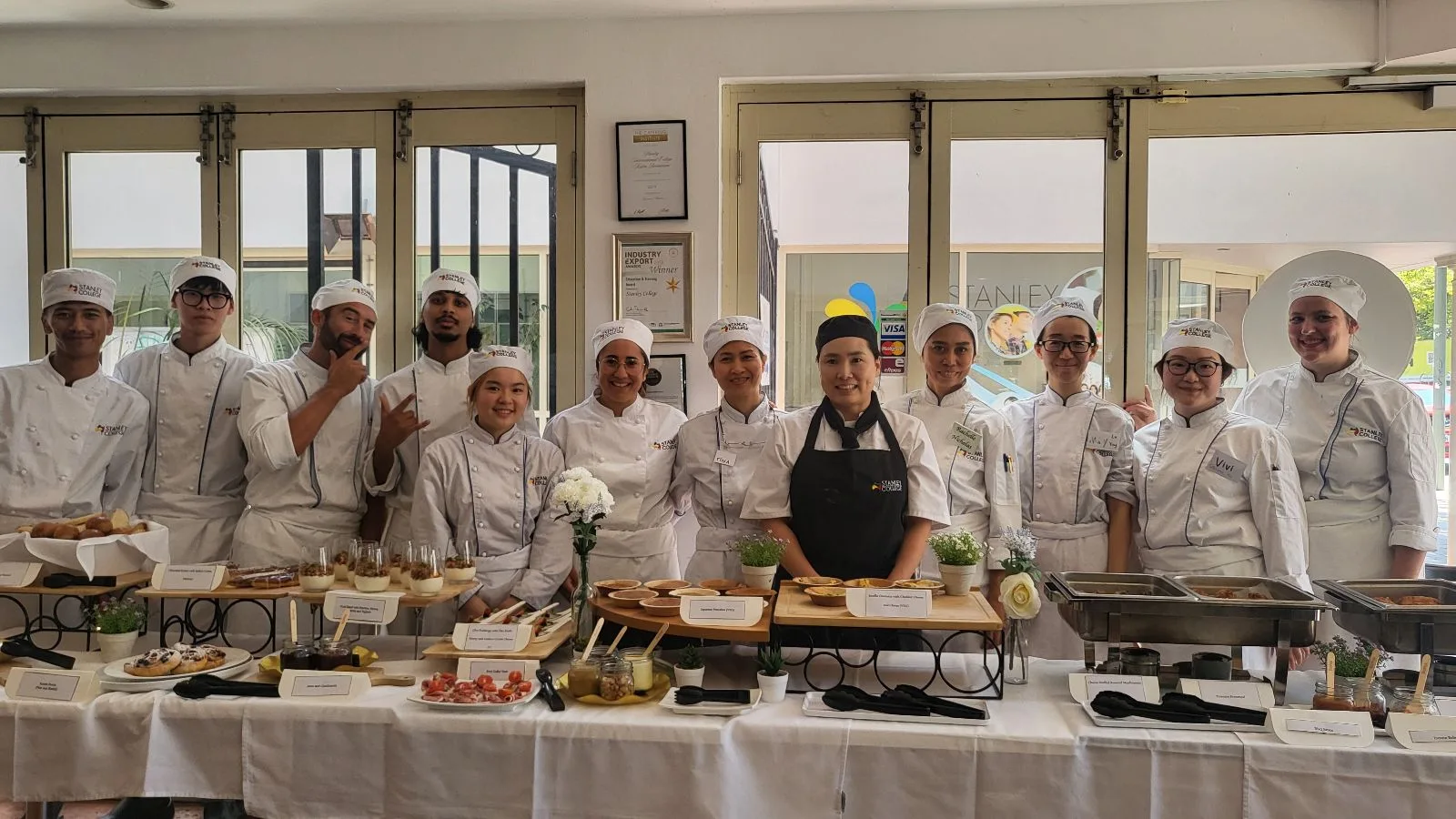
Students in this program dive straight into the high-energy environment of a commercial training kitchen where they learn the core mechanics of professional food preparation. You will spend your days practicing precision knife skills, discovering the chemistry of stocks and sauces, and learning to cook meat, seafood, and poultry to exact standards. The learning style is deeply practical; you aren't just reading recipes, you are actively managing multiple "orders" at once under the guidance of experienced chefs. This environment mimics the real-world pressure of a bustling Perth restaurant, helping you build the stamina and coordination needed for a culinary career.
The Science of Food Safety and Service
Beyond the stove, students explore the critical "behind-the-scenes" logic of a successful kitchen. You will learn how to maintain strict hygiene standards to prevent food contamination and how to use industrial kitchen equipment safely. A significant part of your time involves understanding workplace health and safety and learning how to work effectively as part of a kitchen brigade. These theoretical lessons are often tied to group projects where you plan menus or calculate food costs, giving you a clear view of how a kitchen stays profitable and organized.
Real-World Culinary Placement
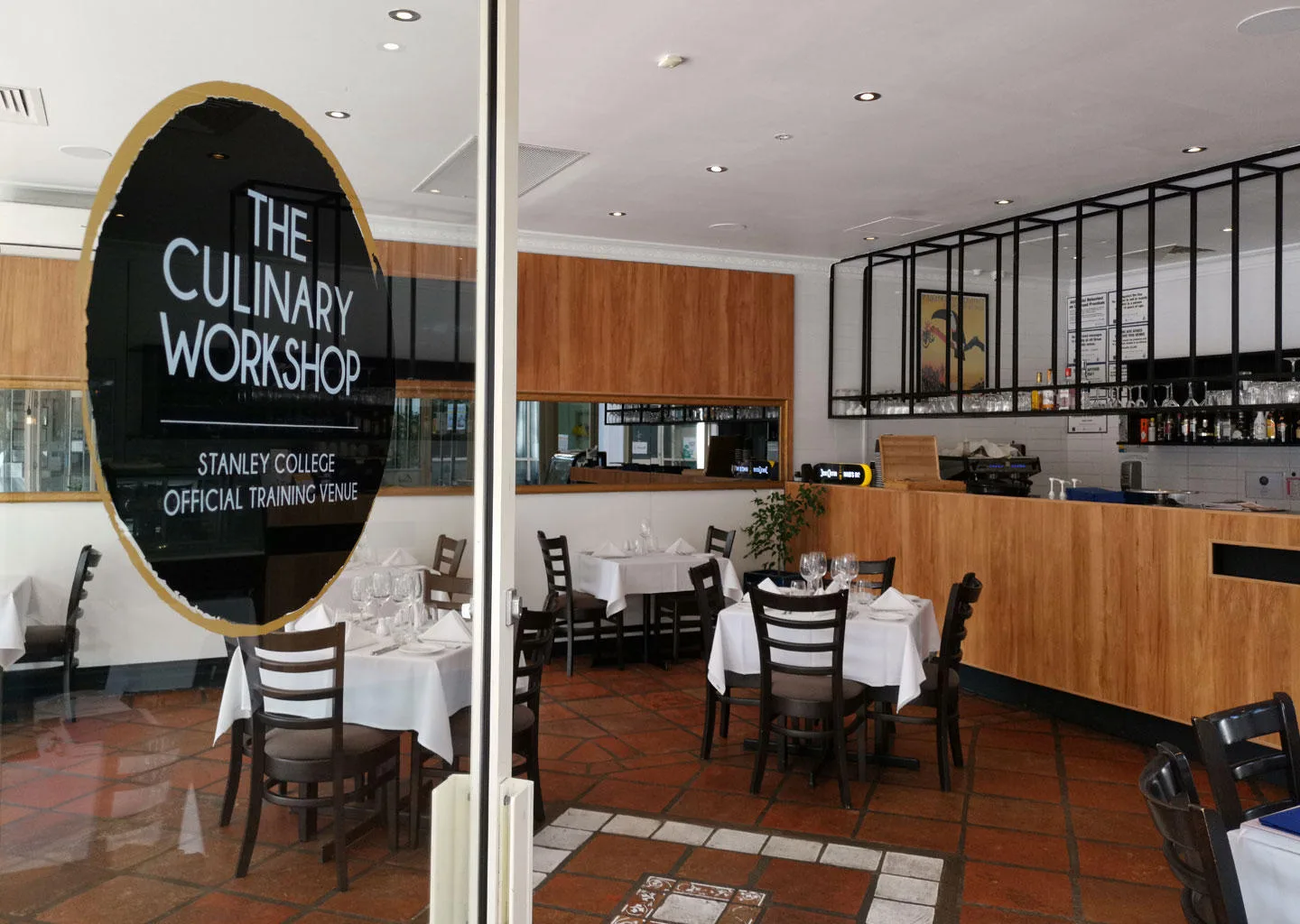
A standout feature of the student experience is the Work-Based Training (WBT) component. To graduate, you must complete a minimum of 48 service periods in a live commercial kitchen. This is where your classroom skills are tested in real-time. Whether you are placed in a local cafe, a hotel dining room, or a specialty restaurant, you will feel the heat of a real service and learn how to communicate with waitstaff and senior chefs. This stage is vital for building a professional network in the Perth hospitality scene and gaining the confidence to work under limited supervision.
Your Path into the Hospitality Industry
Finishing this qualification turns your passion for food into a professional trade. You will be ready to step into roles such as a breakfast cook, commis chef, or catering assistant across various venues like pubs, clubs, and cafeterias. For many, this course is just the beginning; graduates often choose to continue their training with a Certificate IV in Kitchen Management to learn about leadership and kitchen operations. This pathway allows you to gradually move from the line into supervisory roles, eventually managing your own team or kitchen.
Entry Requirements
Review the academic qualifications, grades, and additional criteria needed for admission to this program.

SPM
Minimum 5 credits including Mathematics (C) & English (C)


STPM
Minimum CGPA 3.00 including Mathematics T (C)


DIPLOMA
Minimum CGPA 3.00 including Mathematics T (C)


A-LEVEL
Minimum CGPA 3.00 including Mathematics T (C)


O-LEVEL
Minimum CGPA 3.00 including Mathematics T (C)
ADDITIONAL REQUIREMENTS
- MUET Band 3 or above
- IELTS Overall 6.0 or above
- Has at least one industry level certification in Engineering
Entry Requirement
About this School
Other Courses from This University
Explore all diploma, degree, and postgraduate programs available at this institution.
Courses You Might Be Interested
Explore similar diploma, degree, and postgraduate programs that you matches your interest.