



Certificate III in Early Childhood Education and Care

Course Qualification
Academic

Study Period
1 Year

Study Mode
Full Time

Intakes
January, April, July, September, November

Estimate Fee
RM24,658
Course Overview
Foundational Child Development and Wellbeing
Students explore the essential stages of early childhood growth, learning how to monitor and support children's physical and emotional health. The curriculum focuses on practical skills such as providing First Aid in an education setting and implementing workplace health and safety protocols to ensure a secure learning environment. By studying these core modules, students prepare to manage daily care routines for infants and toddlers with empathy and professionalism.
Play-Based Learning and Curricular Frameworks
The course teaches students how to design and facilitate play-based experiences that align with the National Quality Framework (NQF) and the Early Years Learning Framework. Learners spend time observing children to better understand their individual interests, which then informs how they set up indoor and outdoor activities that encourage exploration and connection with the natural environment. This structured approach ensures that every educational interaction purposefully contributes to a child's holistic development.
Professionalism and Inclusive Practices
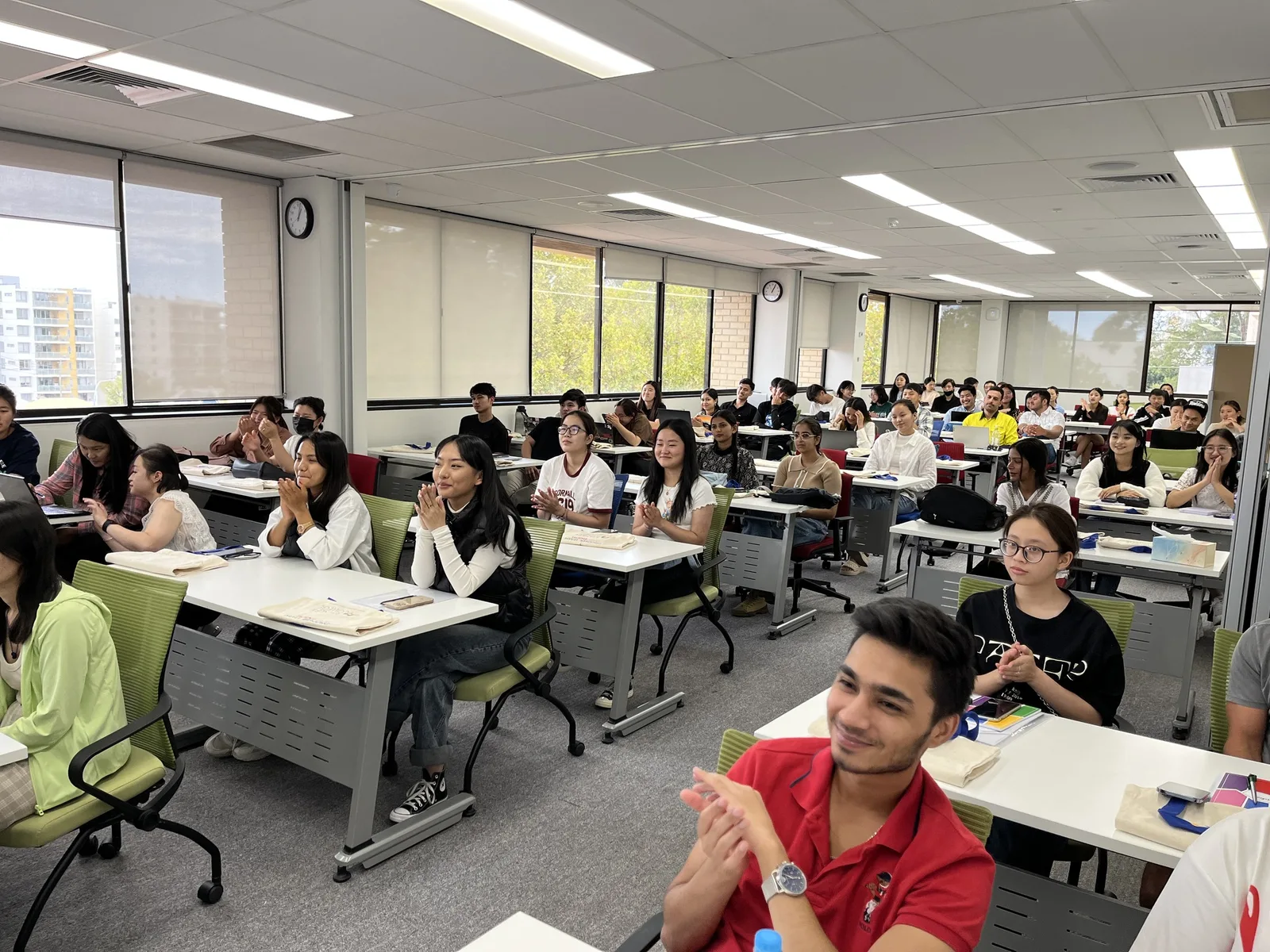
A significant portion of the training involves understanding legal and ethical obligations within the Australian childcare sector. Students learn to foster inclusive environments that respect diversity and encourage an understanding of Aboriginal and Torres Strait Islander cultures. Being a student in this program means participating in frequent group discussions and reflective practice sessions at the Stanley College campus to refine communication skills and prepare for interactions with families and co-workers.
Practical Vocational Placement
To bridge the gap between classroom theory and the workplace, students must complete 160 hours of unpaid vocational placement in a regulated children's service. During this time, they work alongside experienced educators in real-world settings like long day care centres or preschools, applying their knowledge of child protection and nutrition in real-time. This immersion allows students to build the confidence needed for roles such as Early Childhood Educators or Childcare Assistants.
Career and Academic Progression
Graduating with this qualification opens immediate doors to employment as a Preschool Assistant, Family Day Care Educator, or Nanny. For those looking to further their expertise, this certificate provides a direct pathway into the Diploma of Early Childhood Education and Care (CHC50121). This progression is ideal for students aiming for leadership positions or specialized educator roles in the future.
Entry Requirements
Review the academic qualifications, grades, and additional criteria needed for admission to this program.

SPM
Minimum 5 credits including Mathematics (C) & English (C)


STPM
Minimum CGPA 3.00 including Mathematics T (C)


DIPLOMA
Minimum CGPA 3.00 including Mathematics T (C)


A-LEVEL
Minimum CGPA 3.00 including Mathematics T (C)


O-LEVEL
Minimum CGPA 3.00 including Mathematics T (C)
ADDITIONAL REQUIREMENTS
- MUET Band 3 or above
- IELTS Overall 6.0 or above
- Has at least one industry level certification in Engineering
Entry Requirement
About this School

Other Courses from This University
Explore all diploma, degree, and postgraduate programs available at this institution.
Courses You Might Be Interested
Explore similar diploma, degree, and postgraduate programs that you matches your interest.