


Bachelor of Design

Course Qualification
Degree

Study Period
3 Years

Study Mode
Full Time

Intakes
March, July

Estimate Fee
MYR351,698.00
Tuition fee details
Estimated total programme tuition for the full course duration.
- Domestic students
- MYR 351,698.00
- International students
- MYR 351,698.00
Course Overview
Creative Studio Culture
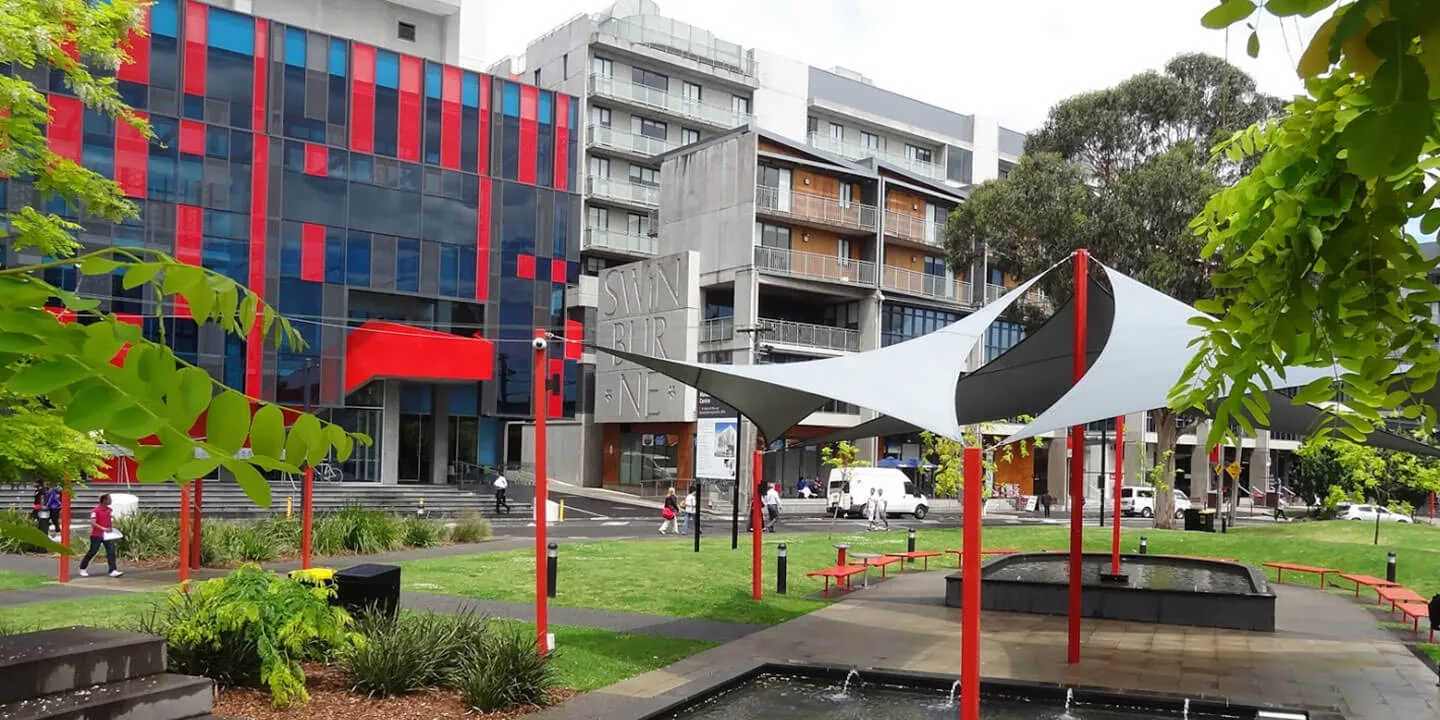
Students in the Bachelor of Design at Swinburne’s Melbourne campus enter a vibrant, hands-on environment that mirrors a professional design studio. The program moves away from traditional lecture-heavy learning, instead focusing on "making" and "doing." Being a student here means spending significant time in specialized studios, where the atmosphere is collaborative and social. You will work alongside peers on brief-based projects, participating in regular "crit" sessions where you present your work and receive constructive feedback from tutors and classmates. This culture encourages experimentation and helps you develop the thick skin and communication skills needed in the design industry.
Specialized Design Disciplines
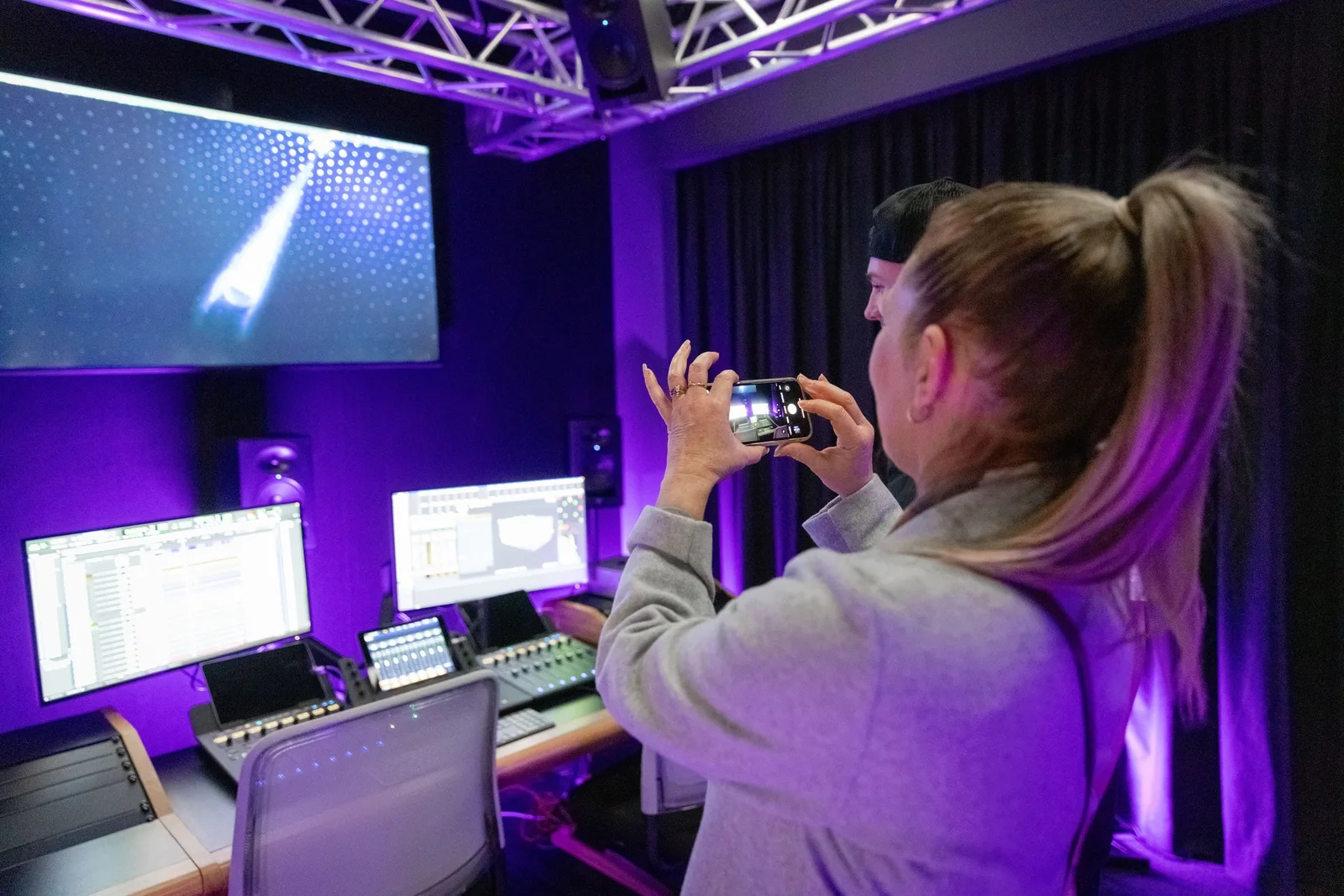
The course allows you to deep-dive into a specific area of interest through diverse majors such as Communication Design, UX Interaction Design, Motion Design, and Photomedia. In the UX Interaction Design major, for example, you focus on how people interact with digital products, learning to create user-friendly apps and websites. If you choose Communication Design, you will master the art of visual storytelling through typography and branding. Each major uses industry-standard software and hardware, ensuring that the technical skills you practice in class are exactly what employers look for.
Real-World Industry Connection
Swinburne is known for its strong link to the professional world. A highlight of the student experience is the Work Integrated Learning (WIL) program, which guarantees every student the chance to engage with industry through placements, internships, or live projects. You might find yourself working on a branding project for a real non-profit or solving a complex design problem at the Design Factory Melbourne, a world-class innovation hub where students from different disciplines collaborate on global industry challenges. This practical exposure ensures that by the time you graduate, you already have a professional portfolio and a network of industry contacts.
Future Career Pathways
The program is designed to produce adaptable designers who can work across various sectors. Graduates often move into roles such as graphic designers, UX researchers, art directors, or digital content creators. Because the course emphasizes strategic thinking and problem-solving, you are not just learning how to use tools, but how to think like a designer to solve human-centered problems. This approach prepares you for the fast-changing creative economy or for further specialized study in design management and innovation.
Entry Requirements
Review the academic qualifications, grades, and additional criteria needed for admission to this program.

SPM
Minimum 5 credits including Mathematics (C) & English (C)


STPM
Minimum CGPA 3.00 including Mathematics T (C)


DIPLOMA
Minimum CGPA 3.00 including Mathematics T (C)


A-LEVEL
Minimum CGPA 3.00 including Mathematics T (C)


O-LEVEL
Minimum CGPA 3.00 including Mathematics T (C)
ADDITIONAL REQUIREMENTS
- MUET Band 3 or above
- IELTS Overall 6.0 or above
- Has at least one industry level certification in Engineering
Entry Requirement
About this School



Other Courses from This University
Explore all diploma, degree, and postgraduate programs available at this institution.
Courses You Might Be Interested
Explore similar diploma, degree, and postgraduate programs that you matches your interest.