


Bachelor of Culinary Management

Course Qualification
Degree

Study Period
3 Years

Study Mode
Full Time

Intakes
February, June, September

Estimate Fee
MYR239,714.00
Tuition fee details
Estimated total programme tuition for the full course duration.
- Domestic students
- MYR 239,714.00
- International students
- MYR 239,714.00
Course Overview
Mastering the Art of Gastronomy
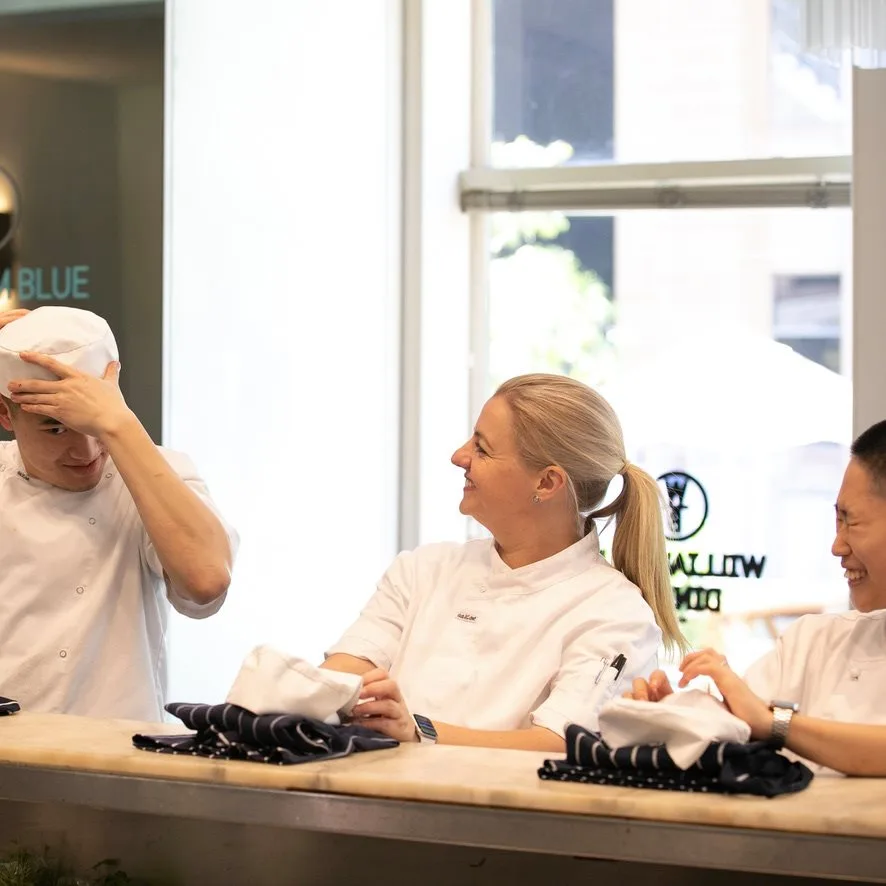
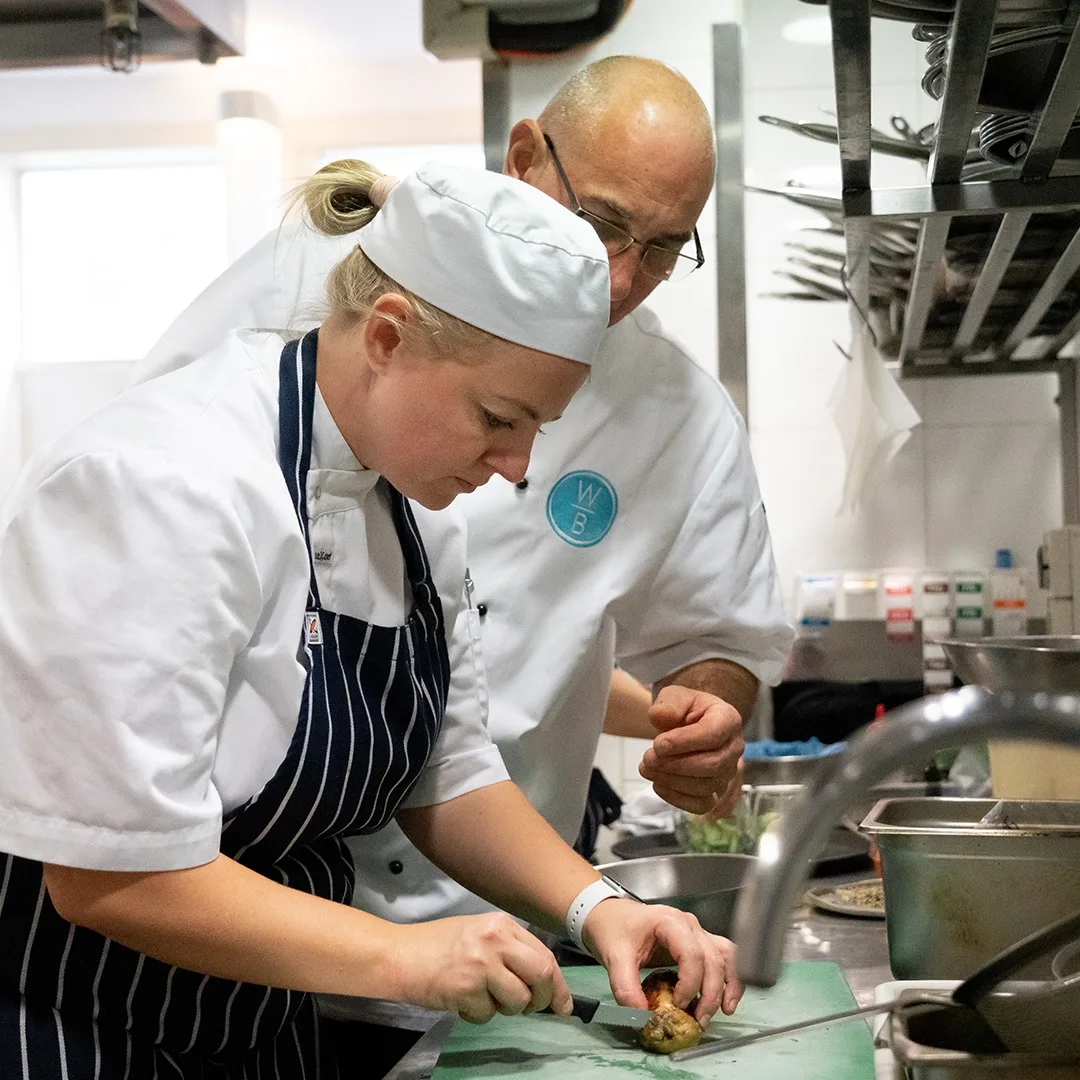
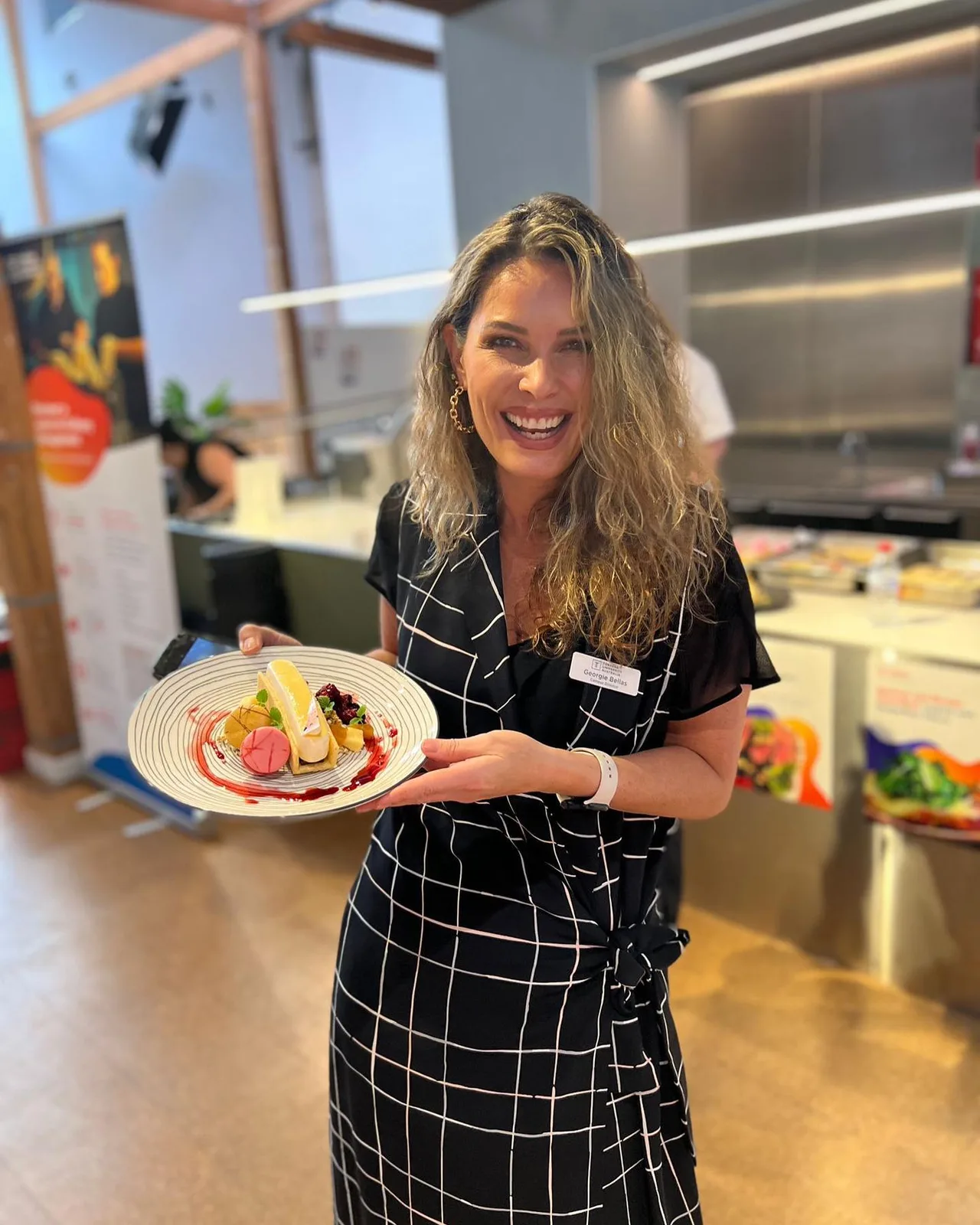
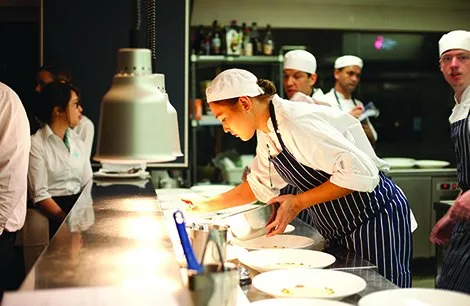
Students in this program do more than just cook; they study the science and culture of food. The curriculum covers advanced culinary techniques and food systems, moving beyond basic recipes to explore flavour profiles, food chemistry, and sensory analysis. A typical day might involve a hands-on session in the commercial-grade kitchens where students practice classic techniques alongside modern innovations. This environment is designed to mirror a high-end restaurant, forcing students to manage heat, timing, and precision in a setting that feels like a live service.
Operational Leadership and Business
Transitioning from the stove to the office, students learn the essential business mechanics of the food industry. They dive into kitchen operations and menu design, where they learn to balance creative vision with profitability. Projects often involve designing a full restaurant concept, calculating food costs, and managing inventory systems to ensure a sustainable business model. By studying human resource management and leadership, students prepare to lead diverse teams, handling everything from staff scheduling to workplace safety and hygiene protocols.
Professional Industry Integration
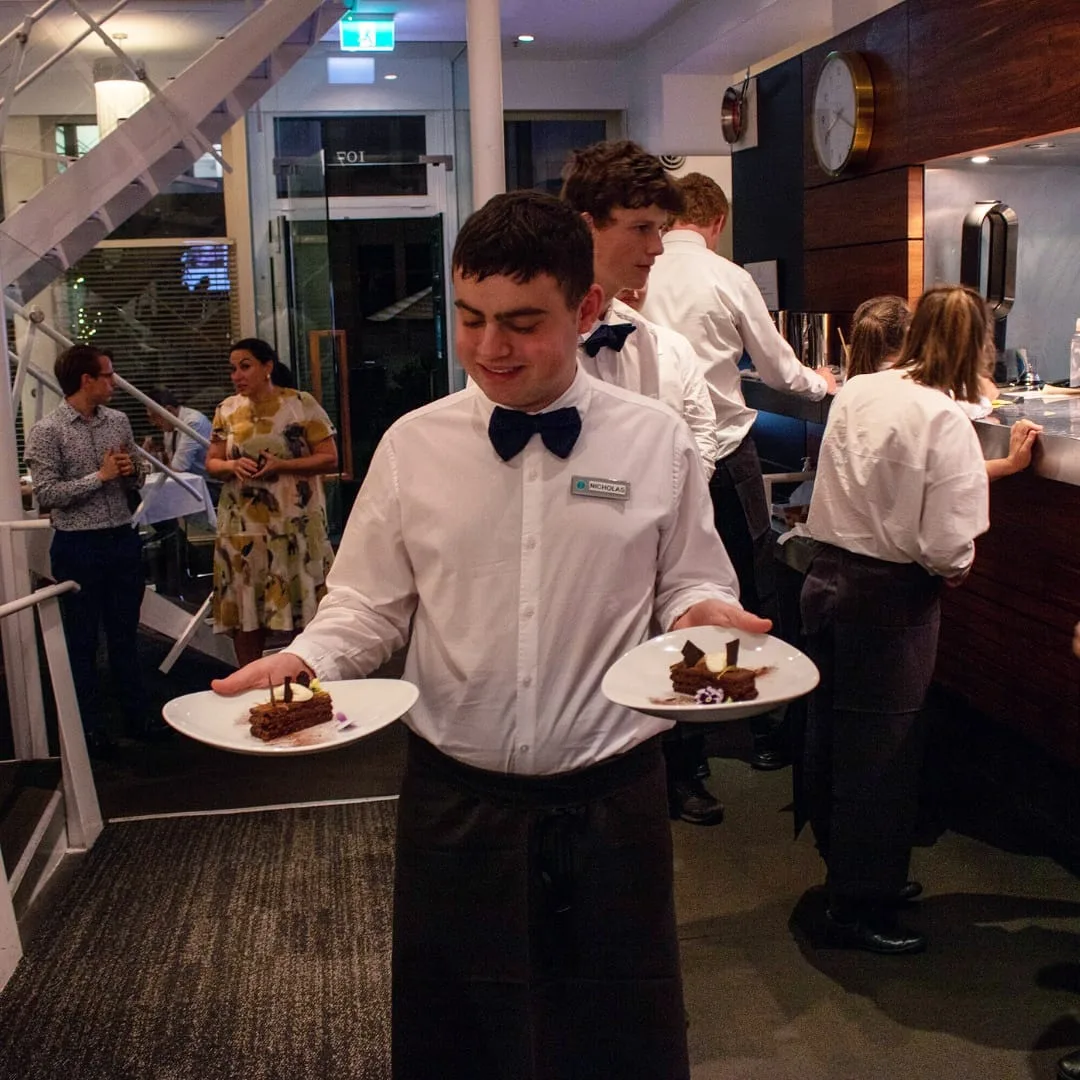
A core part of the student experience is the industry work placement, which allows students to earn while they learn in real professional environments. This placement is a chance to apply classroom theories in the fast-paced kitchens of William Blue's industry partners, such as five-star hotels or award-winning restaurants. Students often describe this as the most challenging yet rewarding part of the course, as it builds the physical stamina and mental toughness needed for leadership. It’s here that they develop the "kitchen sense" and professional network required to successfully transition into the workforce.
Diverse Culinary Pathways
The course is built to launch careers that go far beyond being a chef. Graduates are prepared for a variety of career outcomes, including roles as restaurant owners, catering managers, or food product developers. Students explore global food trends and sustainability, preparing them to innovate in an industry that is constantly changing. Whether the goal is to open a boutique bakery or manage a corporate food service operation, the blend of technical skill and business acumen provides a versatile foundation for any gastronomic career path.
Entry Requirements
Review the academic qualifications, grades, and additional criteria needed for admission to this program.

SPM
Minimum 5 credits including Mathematics (C) & English (C)


STPM
Minimum CGPA 3.00 including Mathematics T (C)


DIPLOMA
Minimum CGPA 3.00 including Mathematics T (C)


A-LEVEL
Minimum CGPA 3.00 including Mathematics T (C)


O-LEVEL
Minimum CGPA 3.00 including Mathematics T (C)
ADDITIONAL REQUIREMENTS
- MUET Band 3 or above
- IELTS Overall 6.0 or above
- Has at least one industry level certification in Engineering
Entry Requirement
About this School







Other Courses from This University
Explore all diploma, degree, and postgraduate programs available at this institution.
Courses You Might Be Interested
Explore similar diploma, degree, and postgraduate programs that you matches your interest.