



Master of Engineering in Fire Engineering

Course Qualification
Master

Study Period
1 Year

Study Mode
Full Time

Intakes
February

Estimate Fee
MYR120,616.00
Tuition fee details
Estimated total programme tuition for the full course duration.
- Domestic students
- MYR 120,616.00
- International students
- MYR 120,616.00
Course Overview
Advancing Fire Safety Science
The Master of Engineering in Fire Engineering focuses on the advanced study of how fires start, spread, and can be controlled within built environments. Unlike a general engineering degree, this course dives into Fire Dynamics, structural fire performance, and the psychological aspects of human behavior during emergencies. You will spend your year investigating complex safety challenges, such as how sustainable timber materials react to extreme heat or how to optimize ventilation in high-rise buildings. The curriculum is built on a foundation of rigorous research, requiring you to produce a substantial thesis that contributes new insights to global fire safety standards.
A Specialized Learning Environment
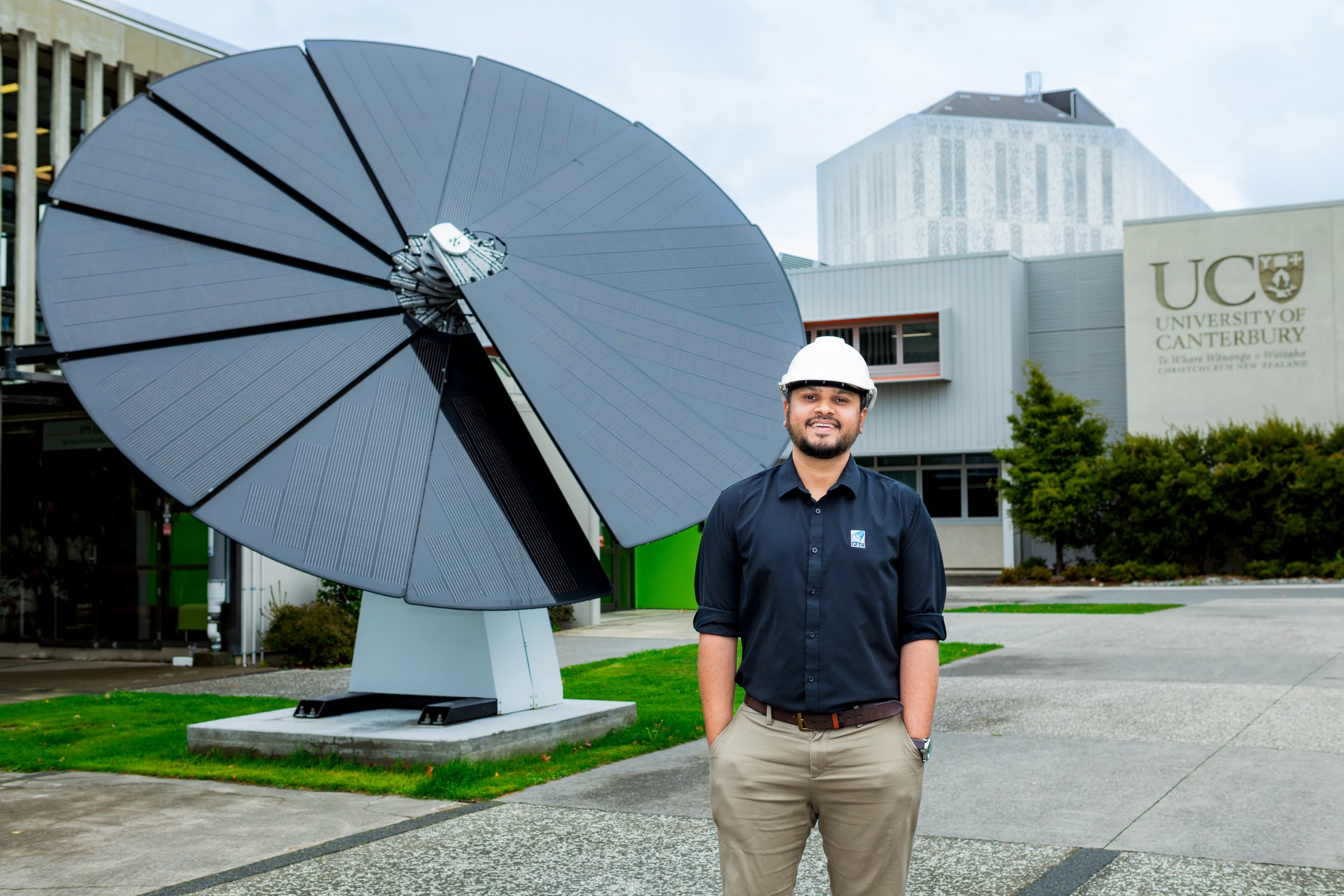
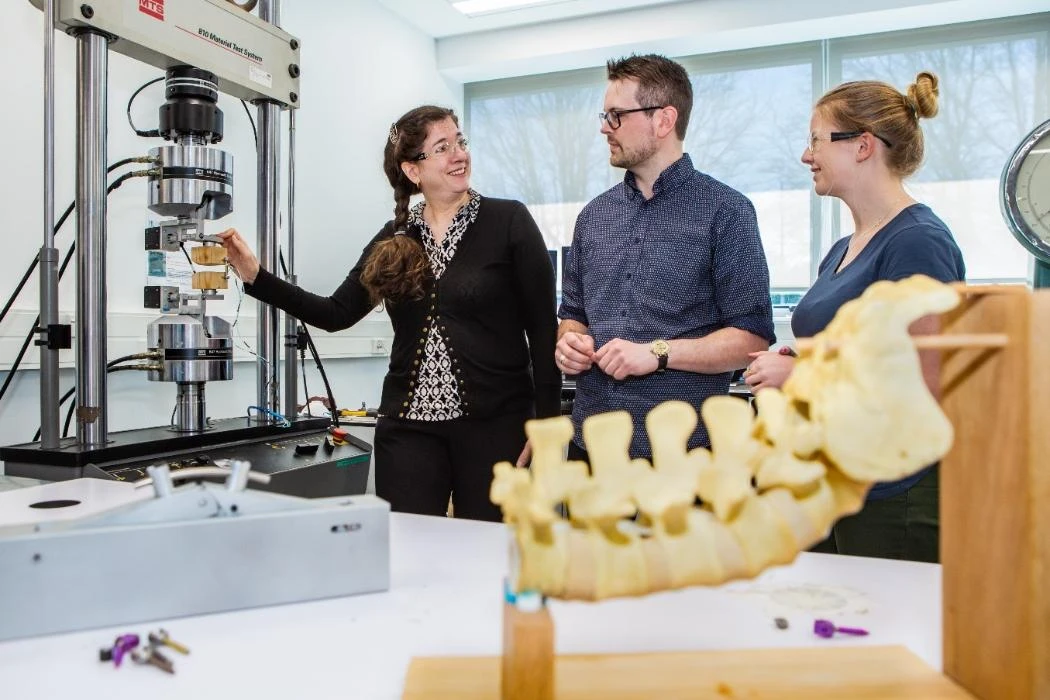
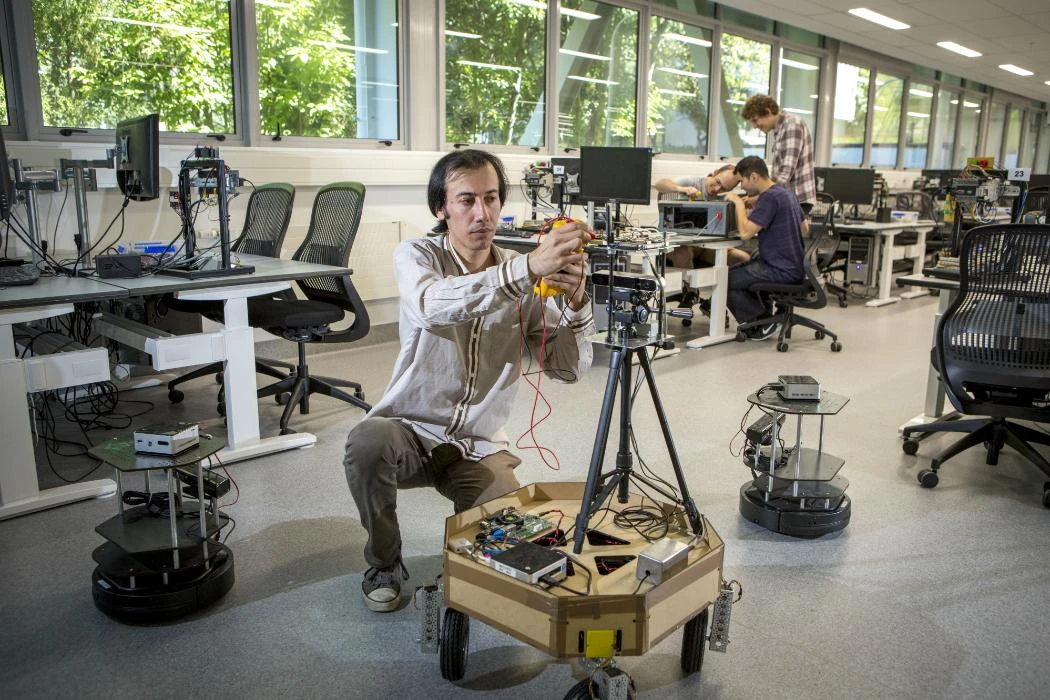
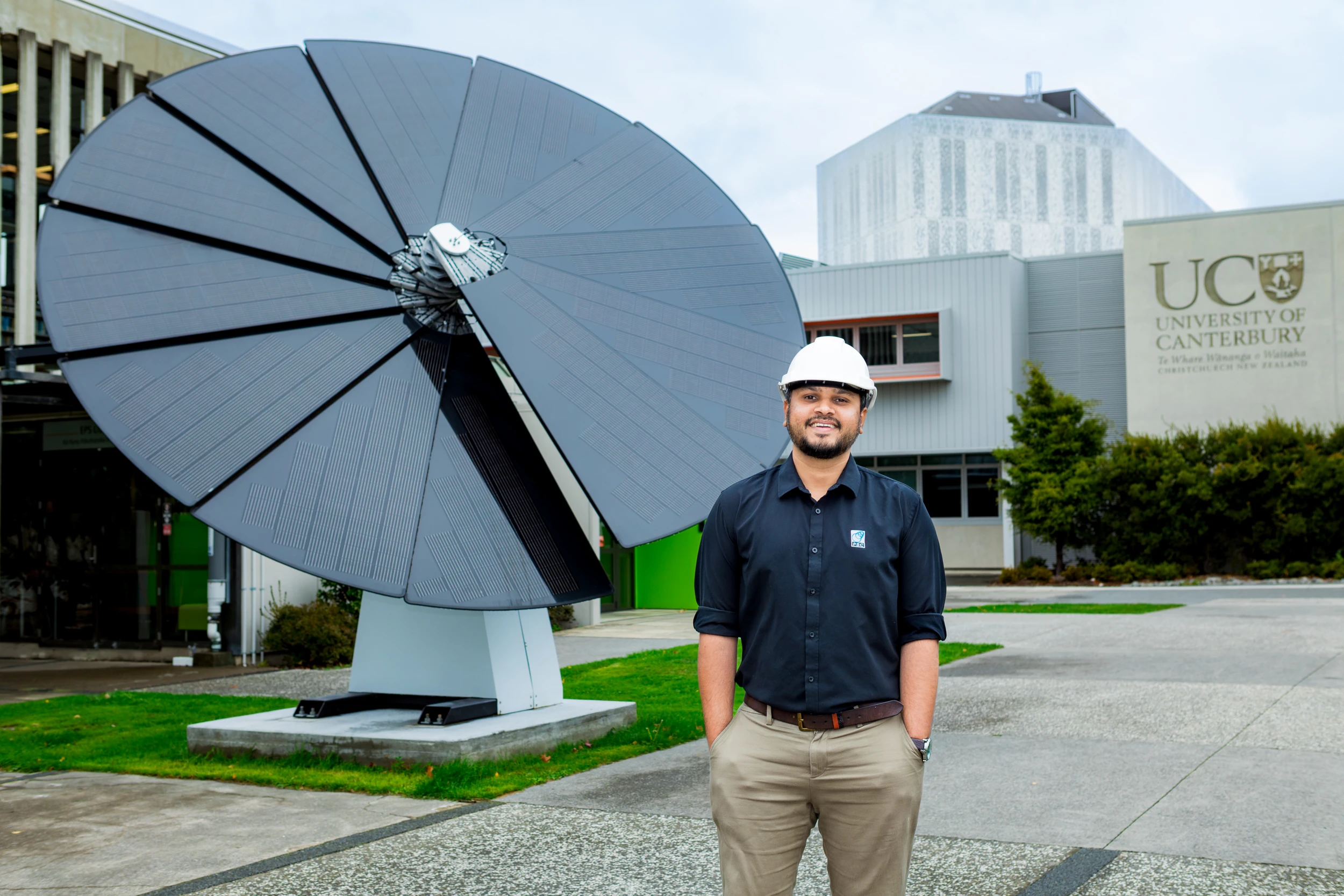
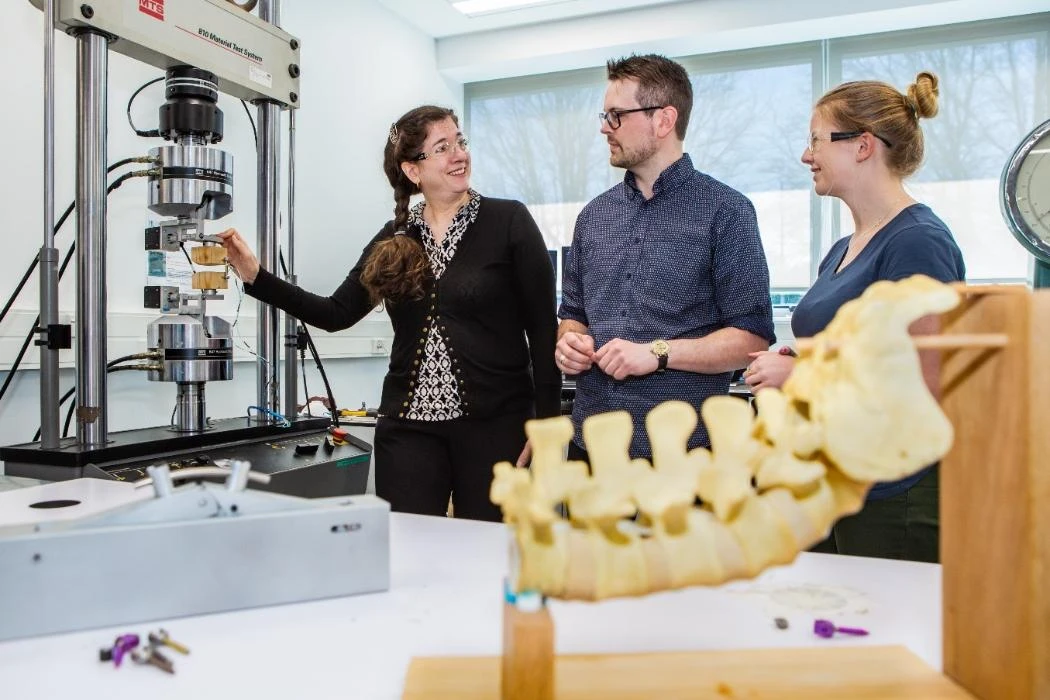
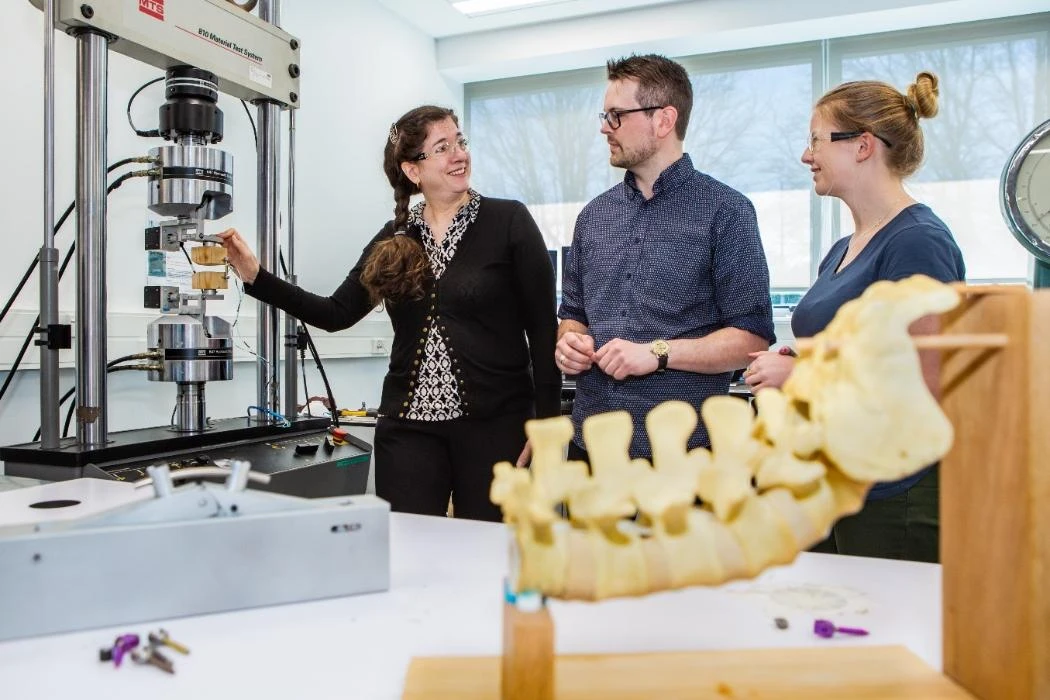
As an MEFE student, your daily experience revolves around the Engineering Precinct, specifically within labs dedicated to testing materials and smoke flow. You will often find yourself analyzing data from small-scale burn tests or using computational fluid dynamics software to simulate fire scenarios in digital building models. The culture is one of deep technical focus, where you will interact closely with lecturers who are active consultants in the field. This environment ensures that your research is not just theoretical but grounded in the practical realities of modern construction and safety legislation.
Interdisciplinary and Community Focus
Fire engineering at UC isn't just about physics; it’s about people. You will participate in discussions and workshops that look at Biculturalism and how engineering solutions impact diverse communities. Understanding the social context of safety—such as how different demographics respond to alarms—is a vital part of your training. This holistic approach ensures that when you design a suppression system or an evacuation plan, it is effective for everyone, not just on paper.
Pathways to Global Expertise
Graduating from this course positions you as a highly sought-after specialist in a niche but critical industry. Many graduates move into senior consultancy roles with international firms or work for government regulatory bodies to help draft new building codes. If you have a passion for academia, this degree also serves as a direct pathway to a PhD in Fire Engineering. By the end of the year, you will have the technical authority to lead safety projects and the research background to innovate in the ever-evolving field of life-safety engineering.
Entry Requirements
Review the academic qualifications, grades, and additional criteria needed for admission to this program.

SPM
Minimum 5 credits including Mathematics (C) & English (C)


STPM
Minimum CGPA 3.00 including Mathematics T (C)


DIPLOMA
Minimum CGPA 3.00 including Mathematics T (C)


A-LEVEL
Minimum CGPA 3.00 including Mathematics T (C)


O-LEVEL
Minimum CGPA 3.00 including Mathematics T (C)
ADDITIONAL REQUIREMENTS
- MUET Band 3 or above
- IELTS Overall 6.0 or above
- Has at least one industry level certification in Engineering
Entry Requirement
About this School




_1778056711_7.webp)






_1778056712_15.webp)
_1778056712_16.webp)






_1778056714_7.webp)





_1778056715_15.webp)
_1778056715_16.webp)










_1778056725_7.webp)











_1778056727_7.webp)
_1778056727_15.webp)


_1778056727_16.webp)










_1778056728_7.webp)
_1778056729_15.webp)


_1778056729_16.webp)




_1778056730_15.webp)
_1778056730_16.webp)







_1778056739_7.webp)




_1778056740_15.webp)
_1778056740_16.webp)






_1778056773_7.webp)






_1778056774_15.webp)
_1778056775_16.webp)


Other Courses from This University
Explore all diploma, degree, and postgraduate programs available at this institution.
Courses You Might Be Interested
Explore similar diploma, degree, and postgraduate programs that you matches your interest.