


Bachelor of Arts

Course Qualification
Degree

Study Period
3

Study Mode
Full Time

Intakes
July, March

Estimate Fee
MYR224,386.00
Tuition fee details
Estimated total programme tuition for the full course duration.
- Domestic students
- MYR 224,386.00
- International students
- MYR 224,386.00
Course Overview
Foundational Humanities and Cultural Discovery
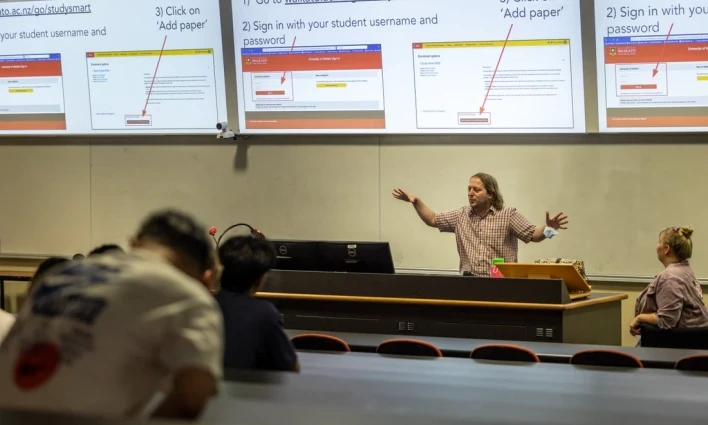
Students explore the deep histories, languages, and creative expressions that form human societies. The Bachelor of Arts program structure shifts away from passive listening, placing students directly into analytical discussions regarding global texts, historical conflicts, and artistic shifts. Classroom time involves breaking down complex human concepts, analyzing literature, and tracing how cultural practices travel across borders. Rather than sitting through dry recitations of dates and facts, students actively debate social ideologies and dissect structural shifts in human thought under the guidance of dedicated academic mentors.
Interdisciplinary Mapping and Specialised Tracks
The degree lets students chart an individual learning map across different paths like English, History, Philosophy, and Te Reo Māori. In daily life, this means a student might spend the morning dissecting geopolitical text in an International Relations seminar and the afternoon examining media architectures in a screen and media lab. Learning feels highly individual as students track specific interests through structured essays, archival research projects, and deep thematic reading. The broad subject choices ensure that students view modern societal challenges through multiple complementary academic lenses.
Group Performances and Community Projects
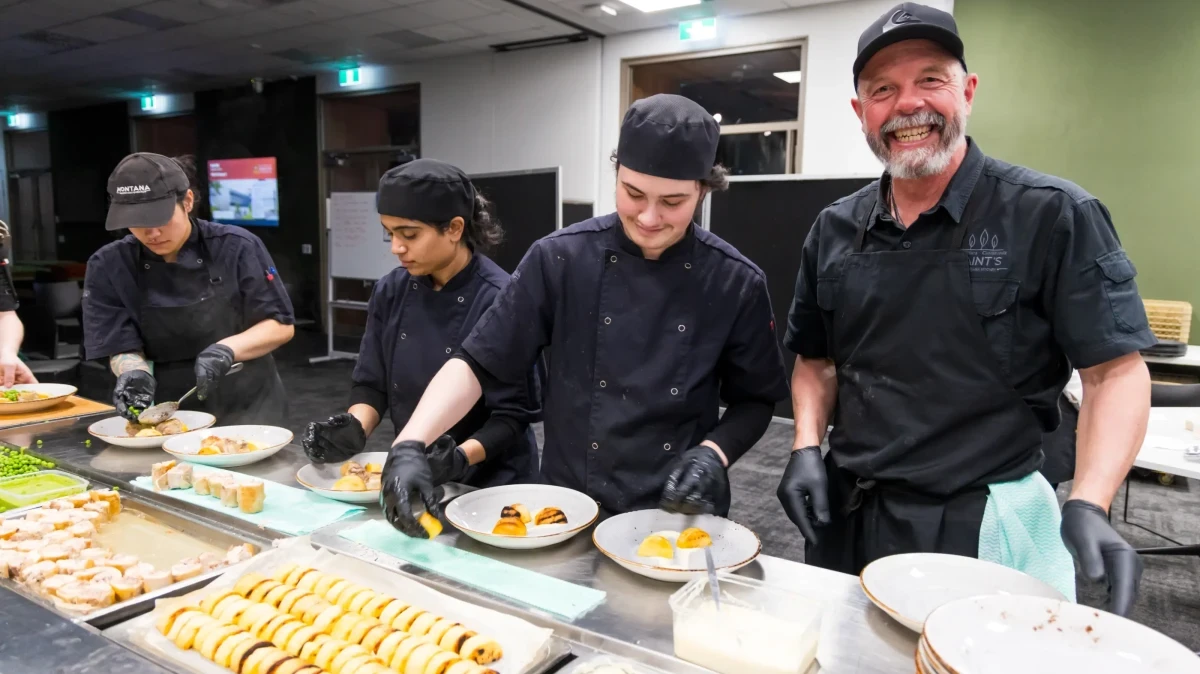
Discipline-specific environments bring student learning to life through active projects and community-focused work. Students who choose a Music major step away from traditional desks to perform together inside the campus chambers or play pieces with the university orchestra. Those pursuing language tracks or indigenous studies join interactive conversational sessions to practice fluently. The university integrates compulsory cultural perspectives and work-related modules. These projects teach students how to coordinate with diverse groups, look at their own work critically, and apply their findings to regional communities.
Campus Learning Facilities and Student Hubs
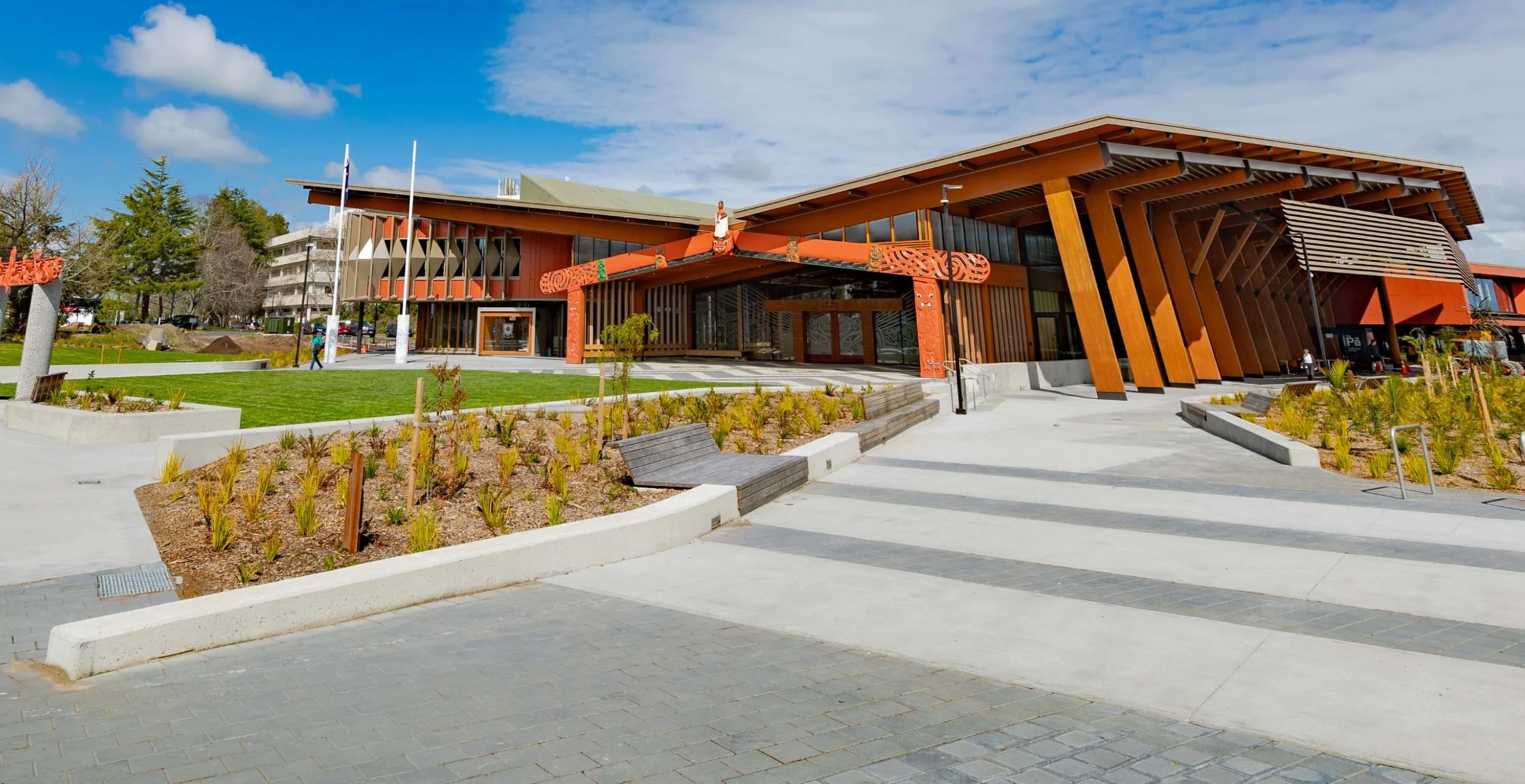
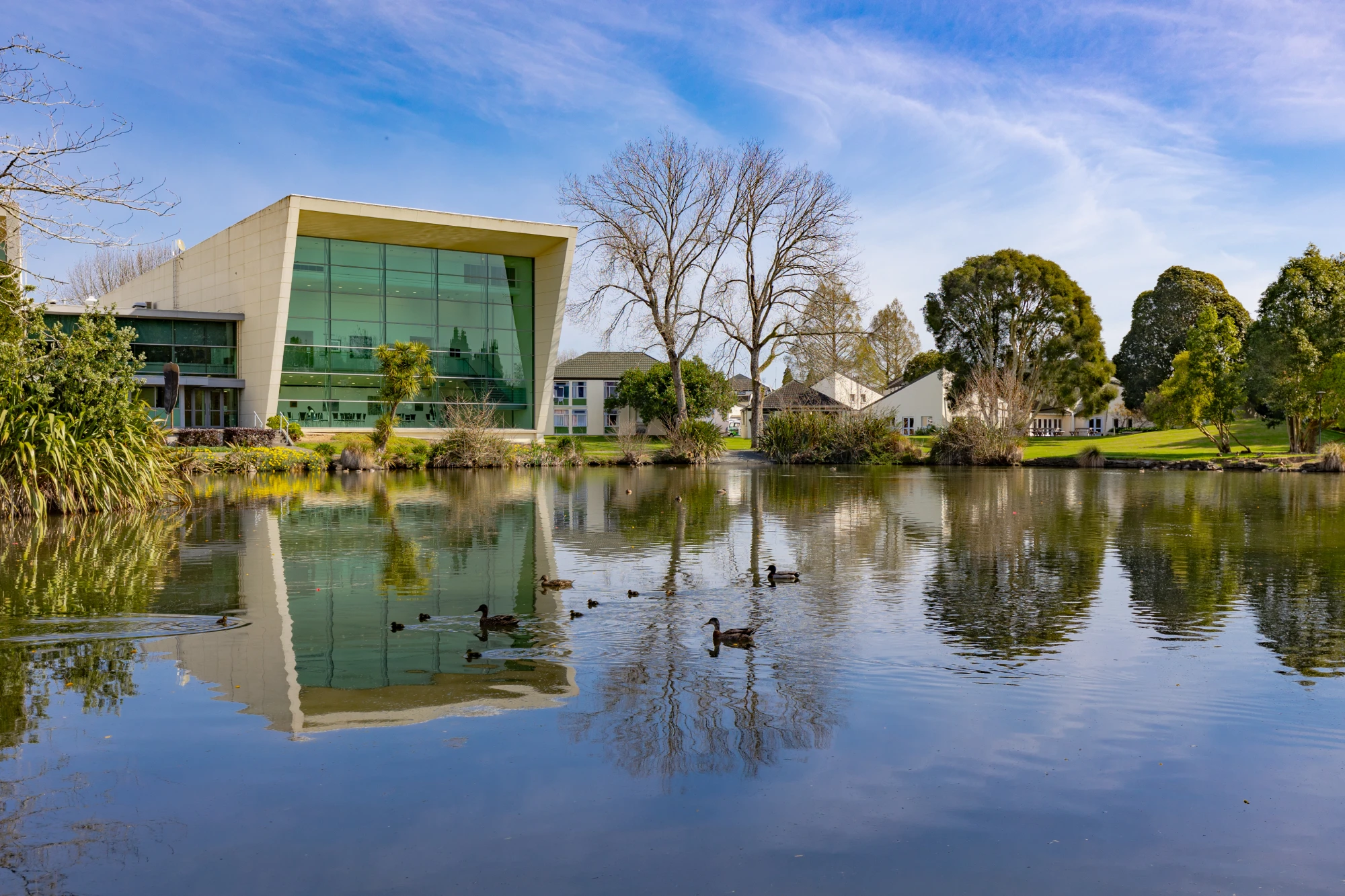
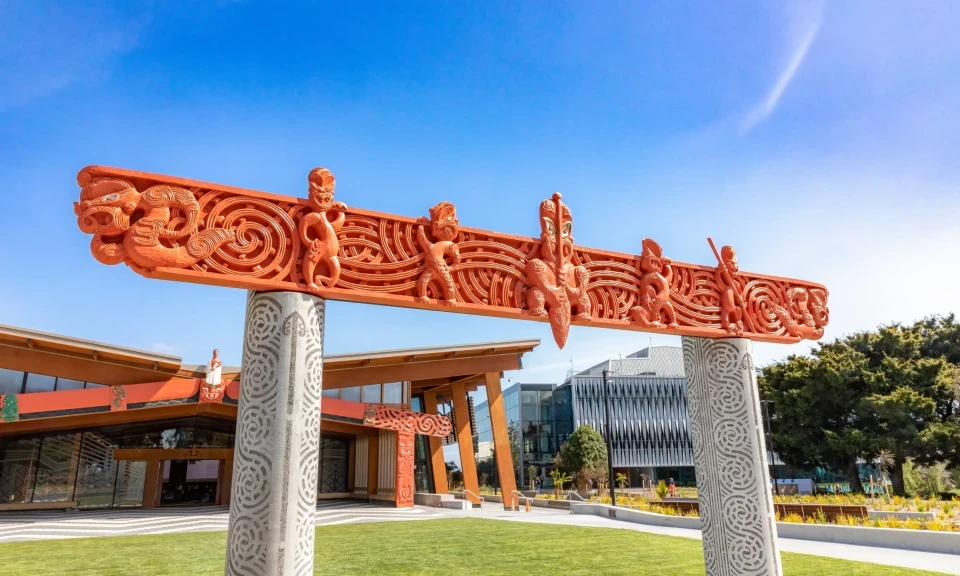
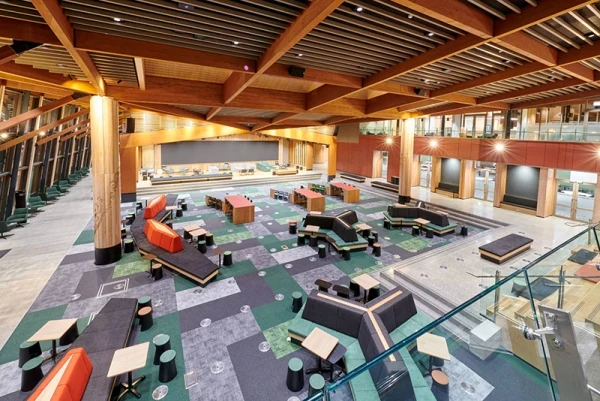
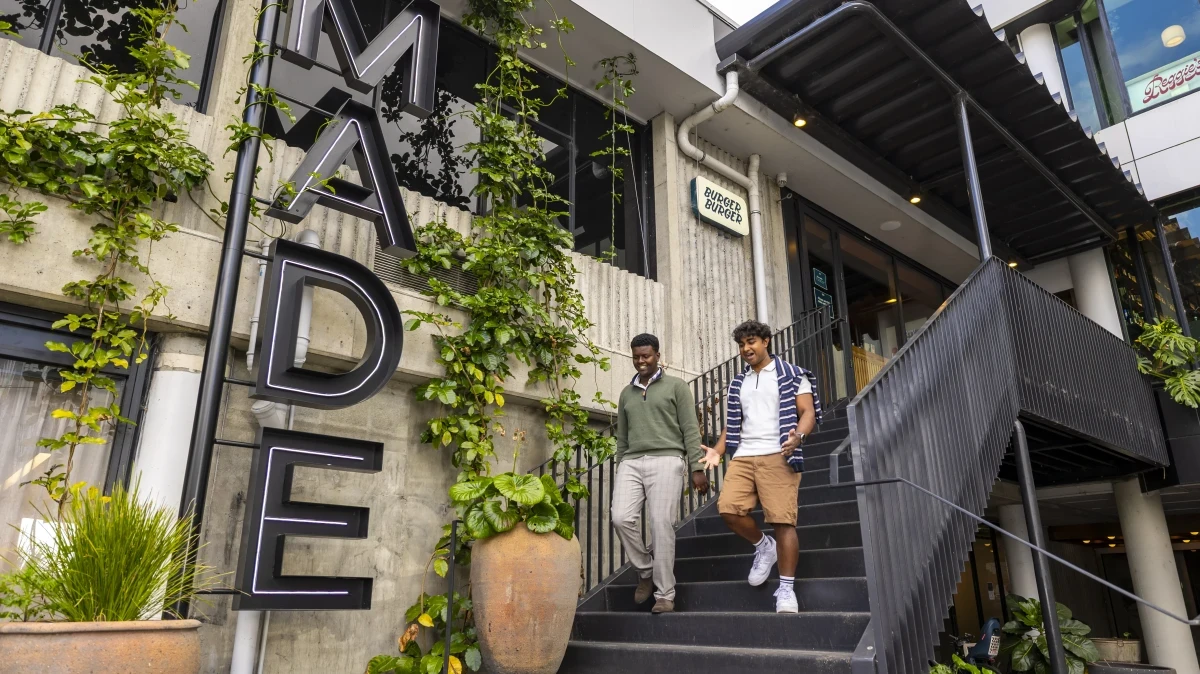
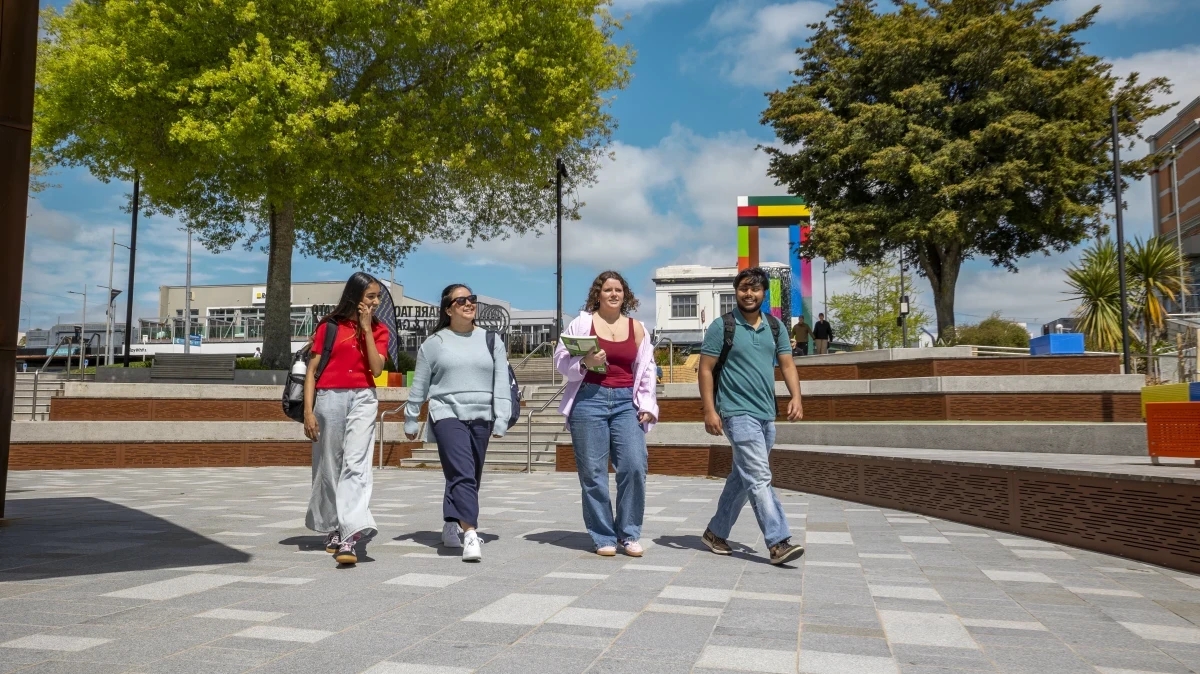
Learning extends past standard lecture theatres and into dedicated creative facilities. Students spend significant time inside the university library utilizing historical archives, or working on group assignments inside the modern collaborative spaces of The Pā. Both the main Hamilton campus and the harbor-facing Tauranga campus offer round-the-clock access to computer labs for text editing, media analysis, and research compilation. The natural campus setting helps balance intensive reading workloads, providing student decks and outdoor courtyards where peers meet to debate assignment ideas and share perspectives outside of class hours.
Academic Progression and Professional Directions
The program builds clear paths toward advanced graduate research or diverse professional fields. Graduates frequently transition into a Bachelor of Arts with Honours to complete deep, independent dissertations on chosen historical or cultural topics. The analytical focus equips students for career paths where clear communication and human insights are vital, such as policy development, public relations, archival work, and international diplomacy. By mastering research tools and learning how to critique complex text, students graduate with the ability to navigate evolving workplace settings.
Entry Requirements
Review the academic qualifications, grades, and additional criteria needed for admission to this program.

SPM
Minimum 5 credits including Mathematics (C) & English (C)


STPM
Minimum CGPA 3.00 including Mathematics T (C)


DIPLOMA
Minimum CGPA 3.00 including Mathematics T (C)


A-LEVEL
Minimum CGPA 3.00 including Mathematics T (C)


O-LEVEL
Minimum CGPA 3.00 including Mathematics T (C)
ADDITIONAL REQUIREMENTS
- MUET Band 3 or above
- IELTS Overall 6.0 or above
- Has at least one industry level certification in Engineering
Entry Requirement
About this School






Other Courses from This University
Explore all diploma, degree, and postgraduate programs available at this institution.
Courses You Might Be Interested
Explore similar diploma, degree, and postgraduate programs that you matches your interest.