


Bachelor of Education

Course Qualification
Degree

Study Period
4 Years

Study Mode
Full Time

Intakes
July, March

Estimate Fee
MYR361,452.00
Tuition fee details
Estimated total programme tuition for the full course duration.
- Domestic students
- MYR 361,452.00
- International students
- MYR 361,452.00
Course Overview
Foundational Pedagogies and Cognitive Development
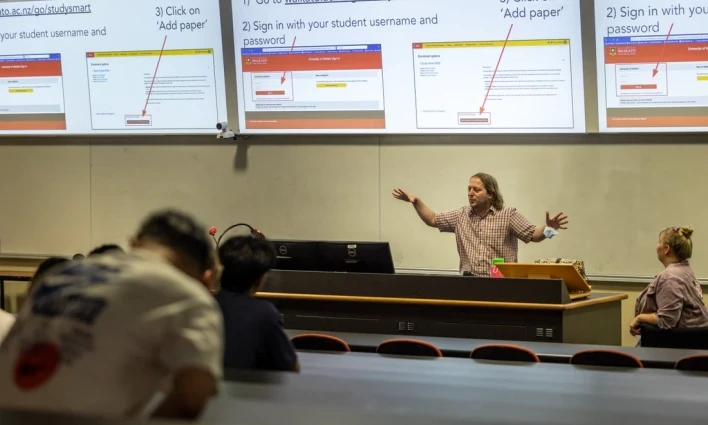
Students dissect the foundational psychological mechanisms, history, and structural philosophies that steer modern learning systems. The Bachelor of Education curriculum departs from passive lecturing by putting students directly into workshops focused on childhood psychology, cognitive development, and curriculum formation. Classroom time is heavily spent reviewing pedagogical strategies, evaluating curriculum blueprints, and discussing how cultural shifts modify learning abilities. Rather than simply reviewing standard testing benchmarks, students actively learn how teaching actions directly impact a child's learning trajectory.
Bi-Cultural Methodologies and Inclusive Design
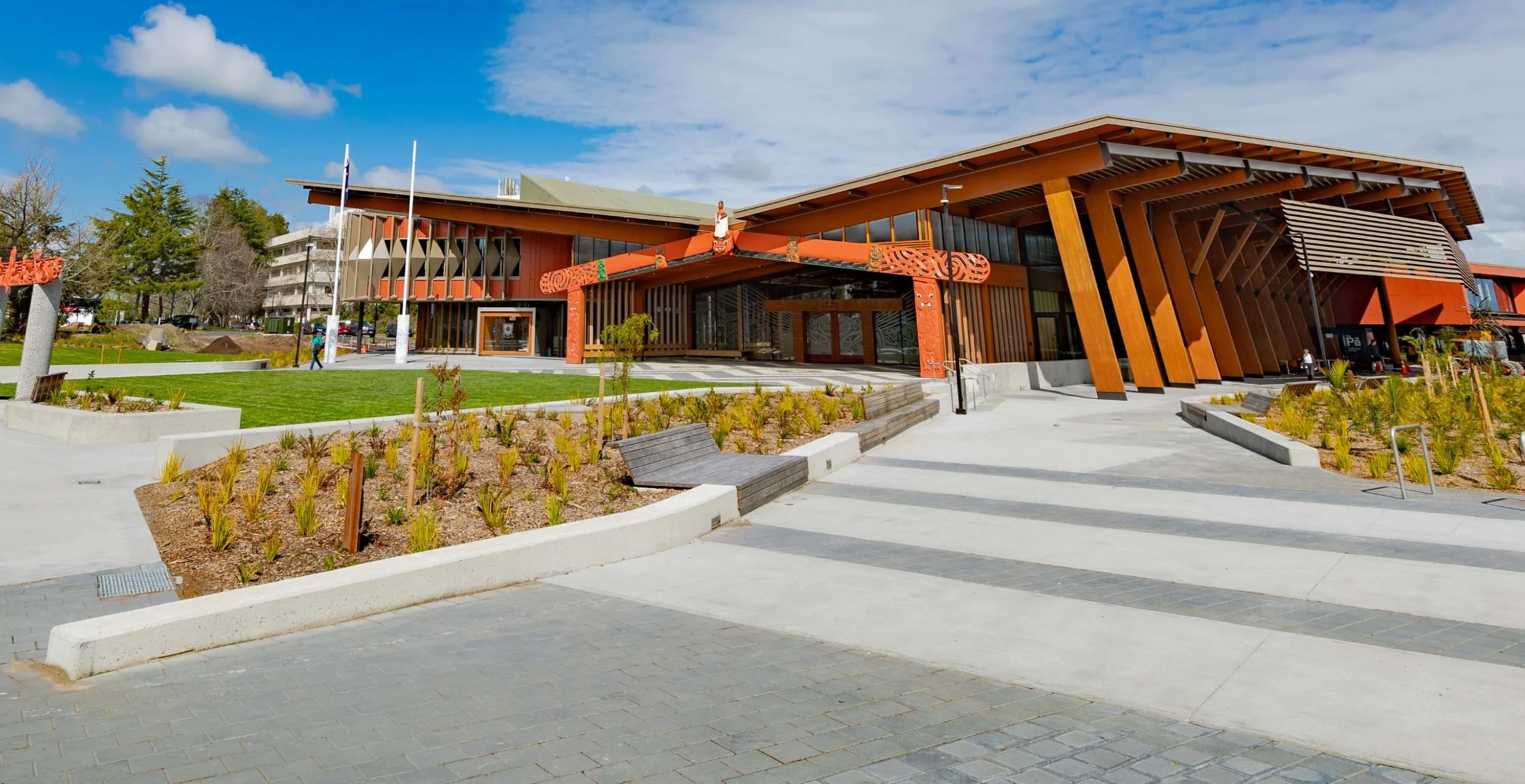
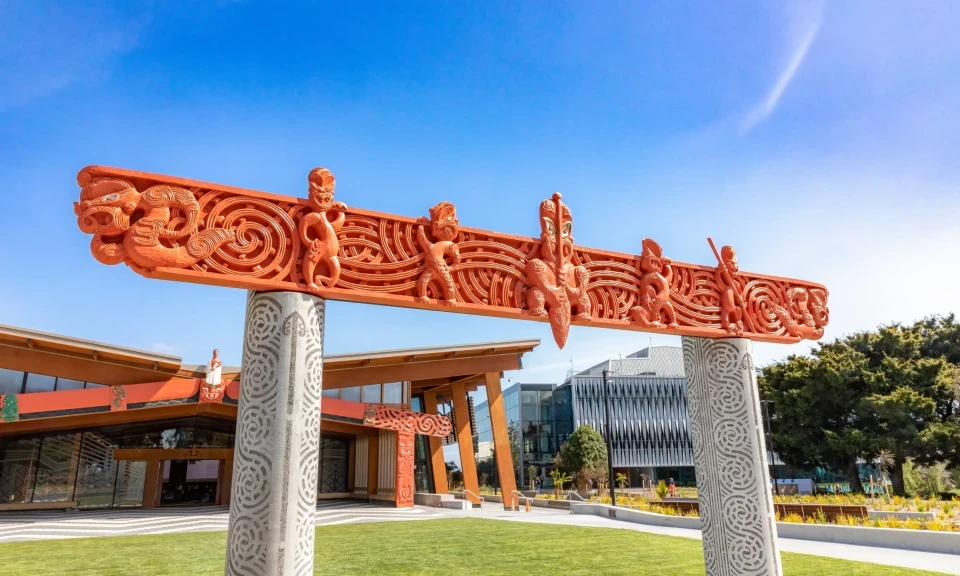
The degree structures its core modules around indigenous knowledge systems, multi-cultural inclusion, and Te Reo Māori integration. Students learn how to integrate diverse worldviews directly into daily classroom settings by building actual lesson plans inside the resource-filled environment of The Pā. This means a student's morning schedule may involve evaluating physical literacy structures for young learners, followed by a workshop on addressing diverse learning needs and behavioral challenges during the afternoon. These routines ensure that future educators approach learning design with high cultural awareness and open-minded strategies.
Practical Practicums and In-School Mentorship
Discipline-specific field training shifts students from theoretical university desks directly into regional school environments. Through structural practicum periods organized by the School of Education, students spend multiple-week blocks teaching real classes, tracking student progress, and managing classroom environments. Under the guidance of practicing mentor teachers, university students learn to handle lesson timing, write clear educational content, and handle sudden group changes. These intensive blocks prepare individuals for the genuine demands of school life.
Teaching Toolkits and Shared Media Resources
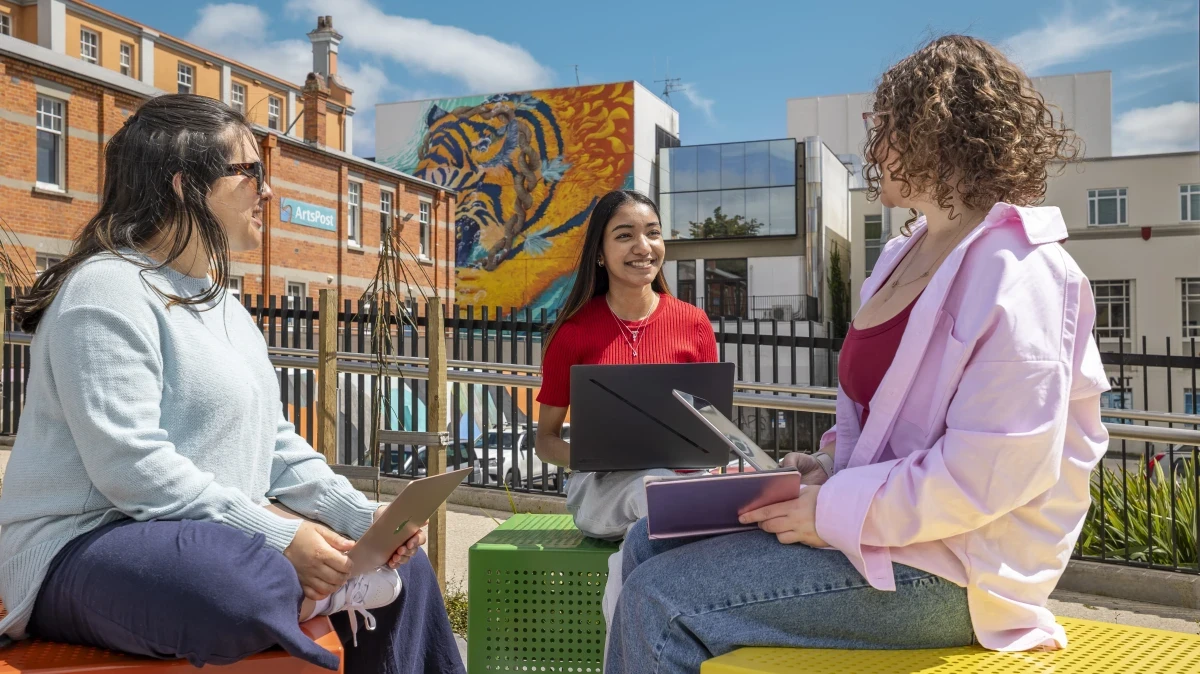
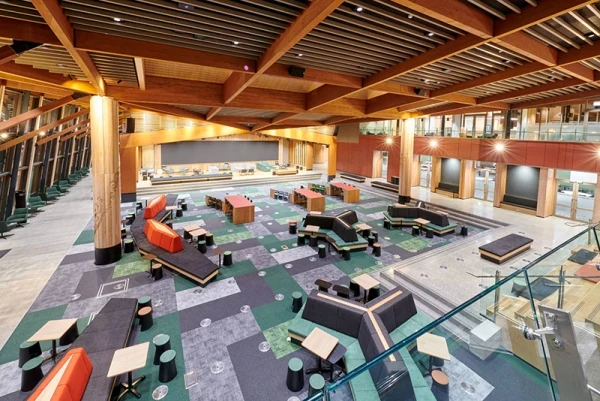
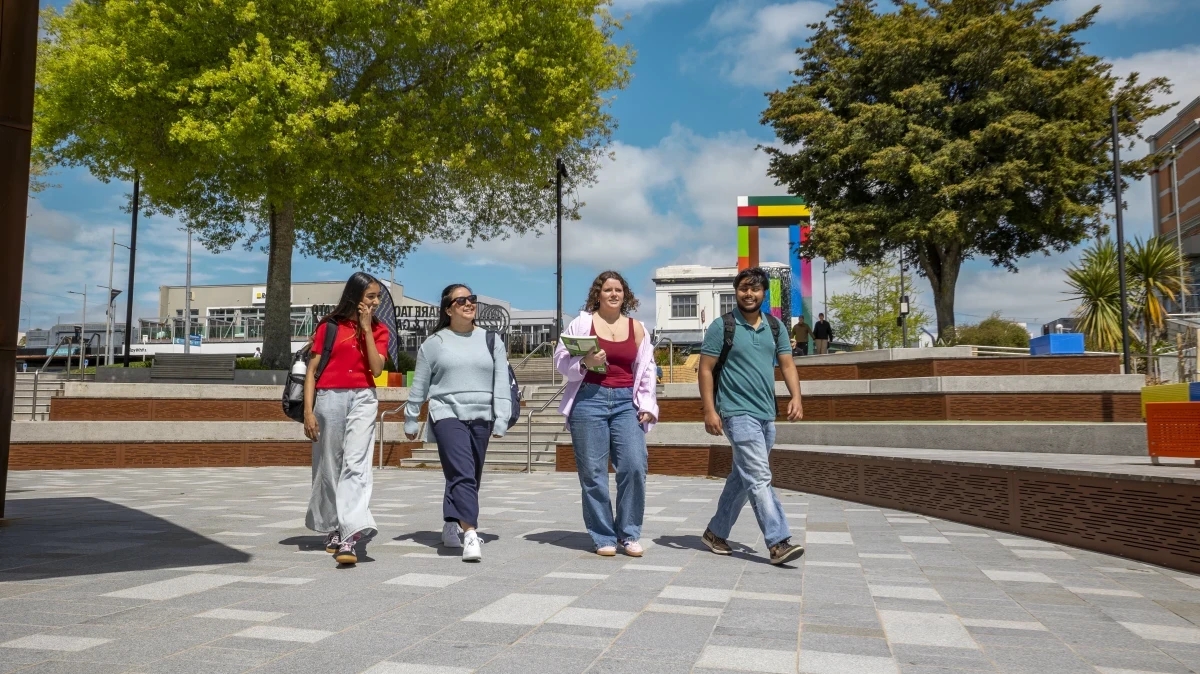
Daily academic life centers heavily around creating learning tools and using collaborative digital media. Students spend their intervals utilizing specialized curriculum resource centers inside the campus libraries to source children's literature, pedagogical tools, and creative design supplies. The university provides 24-hour computer lab access equipped with instructional technology applications and digital portfolios where peers compile their classroom observations. The relaxed open-air spots across the Hamilton grounds offer spaces where students assemble to practice their presentations and share insights from their field practices.
Advanced Research Steps and Systemic Careers
The comprehensive four-year curriculum creates distinct channels toward educational leadership roles or postgraduate research paths. High-achieving students are well-prepared to move directly into advanced qualifications or transition into professional pathways outside traditional schools, including corporate instructional design, public educational policy, and community development. By completing deep research projects regarding contemporary issues in education, graduates finish their studies ready to step into school systems or adjust to evolving training sectors.
Entry Requirements
Review the academic qualifications, grades, and additional criteria needed for admission to this program.

SPM
Minimum 5 credits including Mathematics (C) & English (C)


STPM
Minimum CGPA 3.00 including Mathematics T (C)


DIPLOMA
Minimum CGPA 3.00 including Mathematics T (C)


A-LEVEL
Minimum CGPA 3.00 including Mathematics T (C)


O-LEVEL
Minimum CGPA 3.00 including Mathematics T (C)
ADDITIONAL REQUIREMENTS
- MUET Band 3 or above
- IELTS Overall 6.0 or above
- Has at least one industry level certification in Engineering
Entry Requirement
About this School




Other Courses from This University
Explore all diploma, degree, and postgraduate programs available at this institution.
Courses You Might Be Interested
Explore similar diploma, degree, and postgraduate programs that you matches your interest.