


Bachelor of Health

Course Qualification
Degree

Study Period
3 Years

Study Mode
Full Time

Intakes
July, March

Estimate Fee
RM256,174
Course Overview
Holistic Frameworks and Healthcare Systems
Students explore how diverse communities look at wellness, addressing the physical, systemic, and environmental patterns that dictate overall public health. The Bachelor of Health program departs from purely clinical structures by introducing the indigenous foundational concept of Hauora—a holistic approach evaluating the deep connections between physical wellness and community safety. Classroom hours focus on analyzing modern healthcare layouts, questioning health equity disparities, and understanding how public resources are distributed. Rather than reviewing individual medical cases in isolation, students actively trace how wider societal actions alter long-term population well-being.
Multi-Disciplinary Streams and Lab Mapping
The qualification allows students to direct their academic path through specialized major selections including Biomedical Sciences, Health Promotion, or Social Policy. Daily life shifts focus depending on this direction; a student might study physiological reactions inside a biology lab during the morning, and pivot to assessing data distributions in an epidemiology workshop later that day. Learning is highly structured around compiling statistical breakdowns, reviewing bioethics briefs, and tracking how illnesses move across regional demographics. These varied streams ensure that individuals look at contemporary health concerns using both biochemical evidence and human behavioral patterns.
Applied Communication and Community Fieldwork
Discipline-specific modules push learning away from individual desks and into regional community initiatives. Through integrated work-based projects, students collaborate with local governments, community providers, and non-profit groups to plan real-world health promotion frameworks. Trainees learn how to build accessible messaging campaigns, look at regional environmental risks, and present their findings to diverse crowds. These real-world exercises teach students how to coordinate team projects under realistic institutional constraints and translate difficult epidemiological terminology into clear, daily language that everyday citizens understand.
Digital Repositories and Dedicated Study Hubs
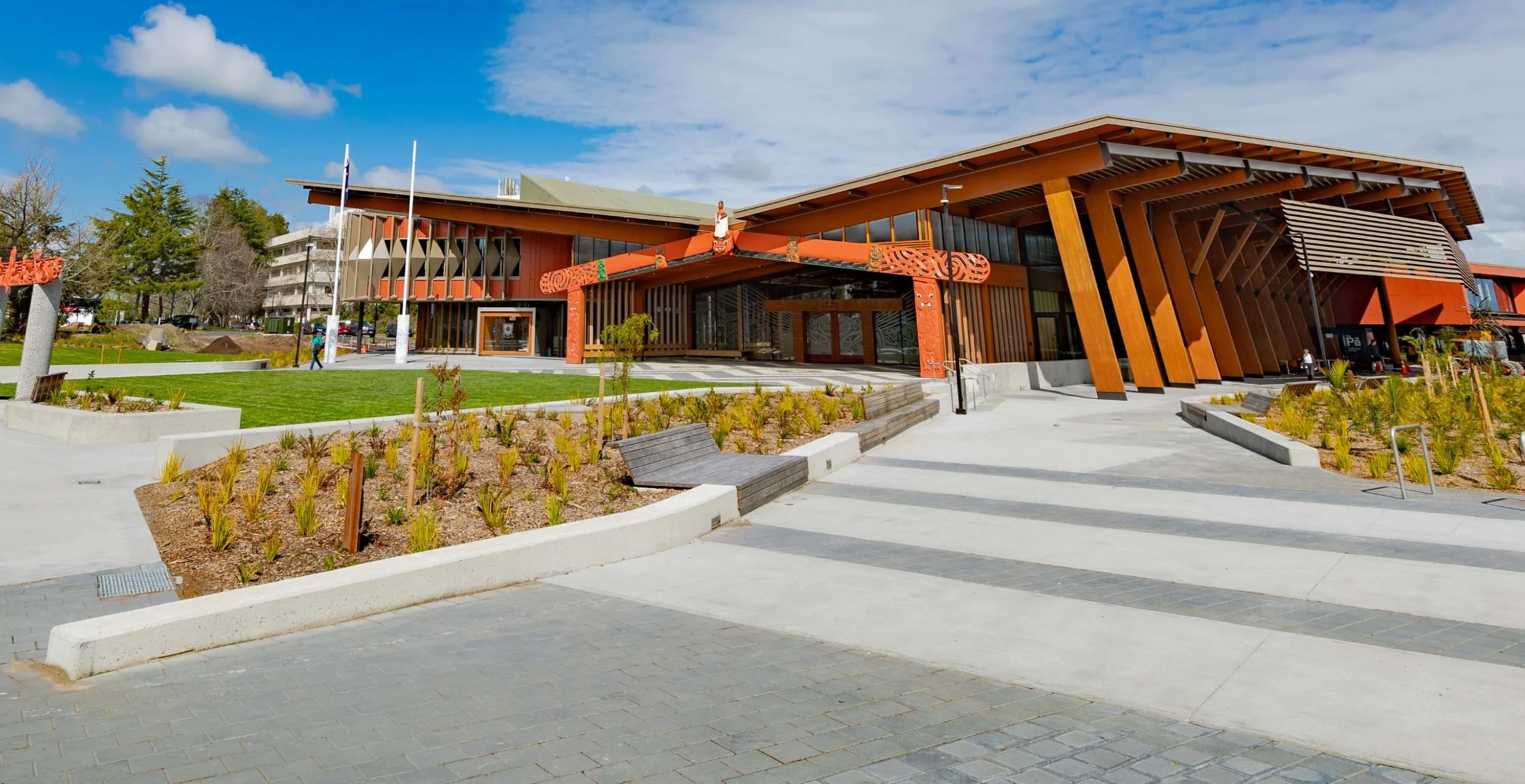
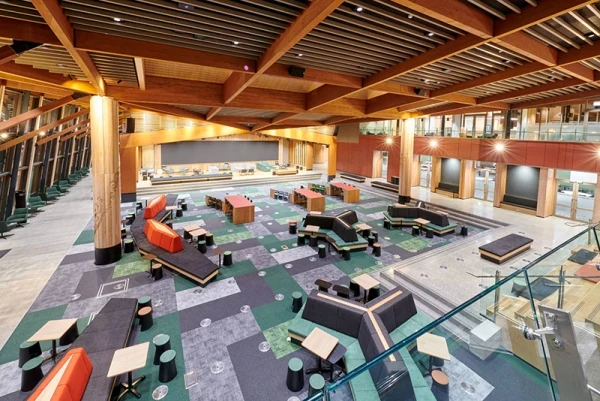
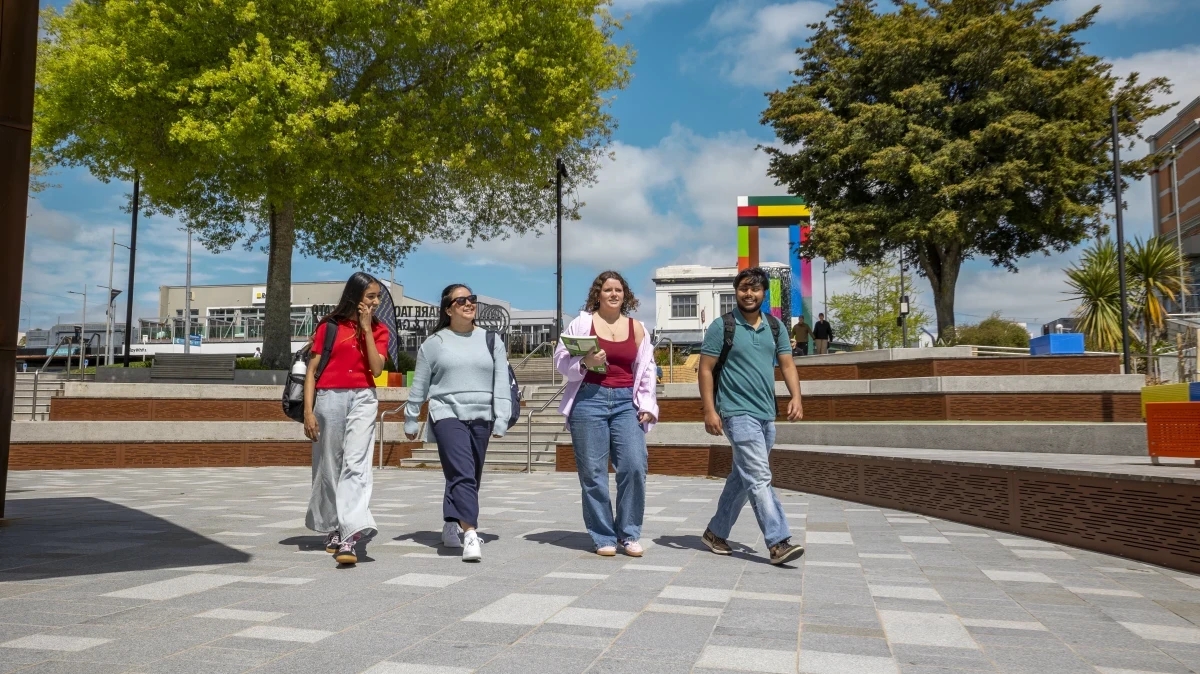
Daily student routines center around the modern processing networks and open-air facilities of the university grounds. Students spend their intervals gathering research papers from online journals or planning group assignments inside the central gathering spaces of The Pā. The campus provides fully equipped computer terminals where students run data tracking programs, map out health demographics, and assemble project presentations. The surrounding student courtyards and study lounges offer relaxed places to unwind from heavy reading loads, allowing peers to share ideas and discuss public policy assignments between scheduled lectures.
Postgraduate Research and Evolving Sector Paths
The comprehensive degree forms a direct bridge toward advanced graduate studies or immediate strategic placement in the diversifying wellness market. Graduates regularly proceed to targeted research tracks such as the Regulations for the Degree of Bachelor of Health, Sport and Human Performance (Honours) to complete specialized investigations into regional system quality. The analytical background prepares individuals for non-clinical paths where analyzing health trends is critical, including health advisory roles, corporate health and safety coordination, disease prevention management, and healthcare policy planning.
Entry Requirements
Review the academic qualifications, grades, and additional criteria needed for admission to this program.

SPM
Minimum 5 credits including Mathematics (C) & English (C)


STPM
Minimum CGPA 3.00 including Mathematics T (C)


DIPLOMA
Minimum CGPA 3.00 including Mathematics T (C)


A-LEVEL
Minimum CGPA 3.00 including Mathematics T (C)


O-LEVEL
Minimum CGPA 3.00 including Mathematics T (C)
ADDITIONAL REQUIREMENTS
- MUET Band 3 or above
- IELTS Overall 6.0 or above
- Has at least one industry level certification in Engineering
Entry Requirement
About this School










Other Courses from This University
Explore all diploma, degree, and postgraduate programs available at this institution.
Courses You Might Be Interested
Explore similar diploma, degree, and postgraduate programs that you matches your interest.