


Bachelor of Science

Course Qualification
Degree

Study Period
3 Years

Study Mode
Full Time

Intakes
July, March

Estimate Fee
RM305,580
Course Overview
Investigating the Natural and Digital Worlds
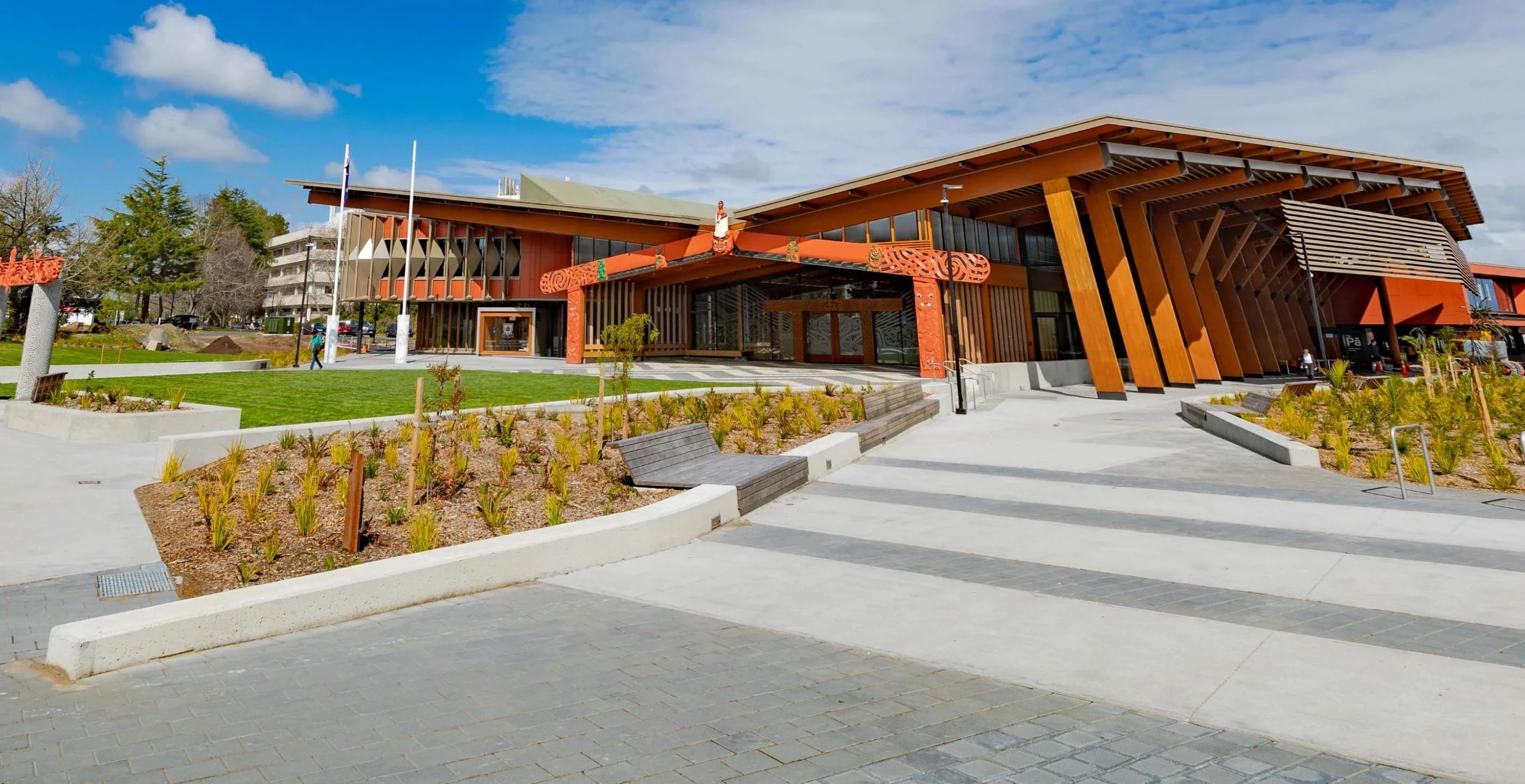
Students explore complex scientific questions inside modernized spaces managed by the Division of STEM. This environment shifts focus away from memorization toward systematic query and experimentation. Depending on their chosen pathway, learners toggle between mapping natural biological biodiversity patterns in outdoor ecosystems or building analytical scripts to parse massive data patterns on dedicated campus server systems.
Tailoring Individual Scientific Pathways
The curriculum accommodates specialized learning trajectories across more than a dozen distinct science majors, including Ecology, Earth Sciences, Molecular and Cellular Biology, and Psychology. A standard academic week consists of tracking physical chemical dynamics in dedicated wet labs, calculating dataset probabilities, or presenting structural findings in seminar settings. This structure means a student's daily landscape varies heavily based on whether they major in field-driven natural sciences or code-intensive numeric disciplines.
Confronting Societal Challenges via Indigenous Knowledge
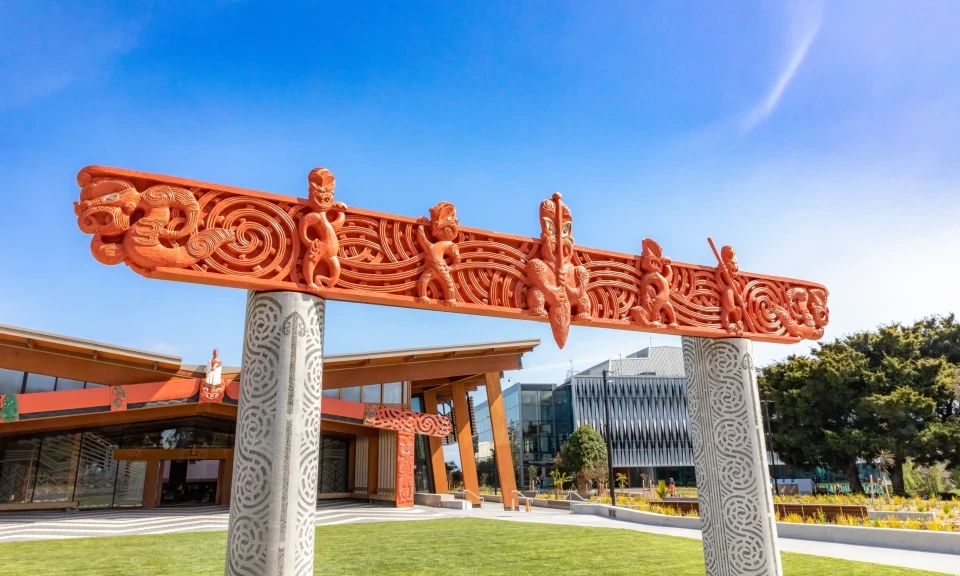
A core distinguishing component of this qualification is the integration of local perspective frameworks. In compulsory core units like Science and Mātauranga Māori, students evaluate contemporary environmental and health challenges through both standard global scientific metrics and indigenous knowledge systems. This balanced exploration trains students to look past standard laboratory confines, developing a holistic understanding of resource management and community impact.
Stepping into Labs and Field Careers
Graduating creates explicit opportunities across industrial research institutes, environmental agencies, software development groups, or regional manufacturing plants. Alumni enter the workforce prepared to assume roles as data analysts, field conservationists, laboratory technicians, or corporate environmental consultants. Furthermore, the foundational focus on data tracking and testing methods prepares students to advance seamlessly into specialized postgraduate pathways like the Master of Science or specialized research tracks.
Entry Requirements
Review the academic qualifications, grades, and additional criteria needed for admission to this program.

SPM
Minimum 5 credits including Mathematics (C) & English (C)
'%20fill='white'/%3e%3c/svg%3e)
'%20fill='white'/%3e%3c/svg%3e)
STPM
Minimum CGPA 3.00 including Mathematics T (C)


DIPLOMA
Minimum CGPA 3.00 including Mathematics T (C)
'%20fill='black'/%3e%3c/svg%3e)
'%20fill='black'/%3e%3c/svg%3e)
A-LEVEL
Minimum CGPA 3.00 including Mathematics T (C)


O-LEVEL
Minimum CGPA 3.00 including Mathematics T (C)
ADDITIONAL REQUIREMENTS
- MUET Band 3 or above
- IELTS Overall 6.0 or above
- Has at least one industry level certification in Engineering
Entry Requirement
About this School






Other Courses from This University
Explore all diploma, degree, and postgraduate programs available at this institution.

Courses You Might Be Interested
Explore similar diploma, degree, and postgraduate programs that you matches your interest.