


Bachelor of Social Sciences

Course Qualification
Degree

Study Period
3 Years

Study Mode
Full Time

Intakes
July, March

Estimate Fee
RM224,386
Course Overview
Contemporary Societal Analysis and Demographics
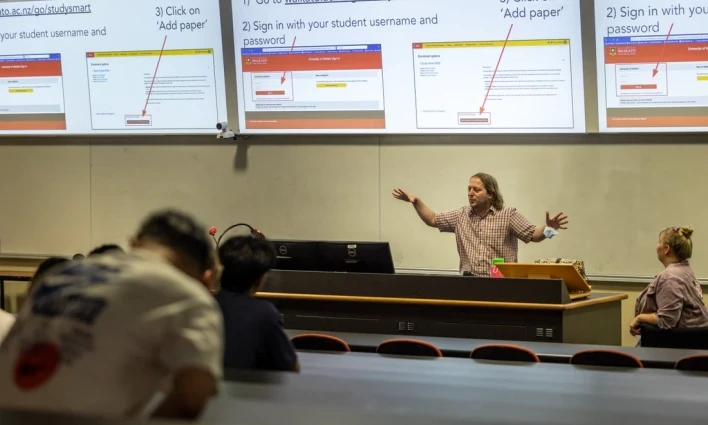
Students map out how societies evolve, looking closely at population shifts, political developments, and community structures. The Bachelor of Social Sciences switches from simple memorization to structural critique, prompting students to question how public policies alter urban spaces and group behavior. Classroom time is heavily discussion-based, with students breaking down systemic inequalities, tracking migratory patterns, and assessing economic impacts. Rather than following abstract rules, learners look directly at regional case studies to see how social trends influence day-to-day human interactions.
Technical Specialisation and Data Mapping
The curriculum lets students direct their studies across paths like Geography, Sociology, Political Science, and Human Development Subject Regulations. In everyday student life, this structure means evaluating data sets in a computer terminal during the morning and reviewing political philosophy texts later that day. Learning is highly focused as students conduct geographic mapping, run social data analyses, and write policy reports. These complementary methods ensure students learn to look at large modern problems using both data tracking and human behavior theories.
Field Observations and Community Placements
Discipline-specific testing areas move students out of standard rooms and directly into local environments. Geography and planning majors participate in urban field trips to evaluate city layouts, while psychology-track students use the Traffic and Road Safety (TARS) lab to observe human driving actions. The university incorporates structural work placements that connect student learning directly to public departments and non-profit groups. These real-world observations teach students how to coordinate projects with diverse local councils, structure community initiatives, and organize field research properly.
Centralized Study Spaces and Resource Repositories
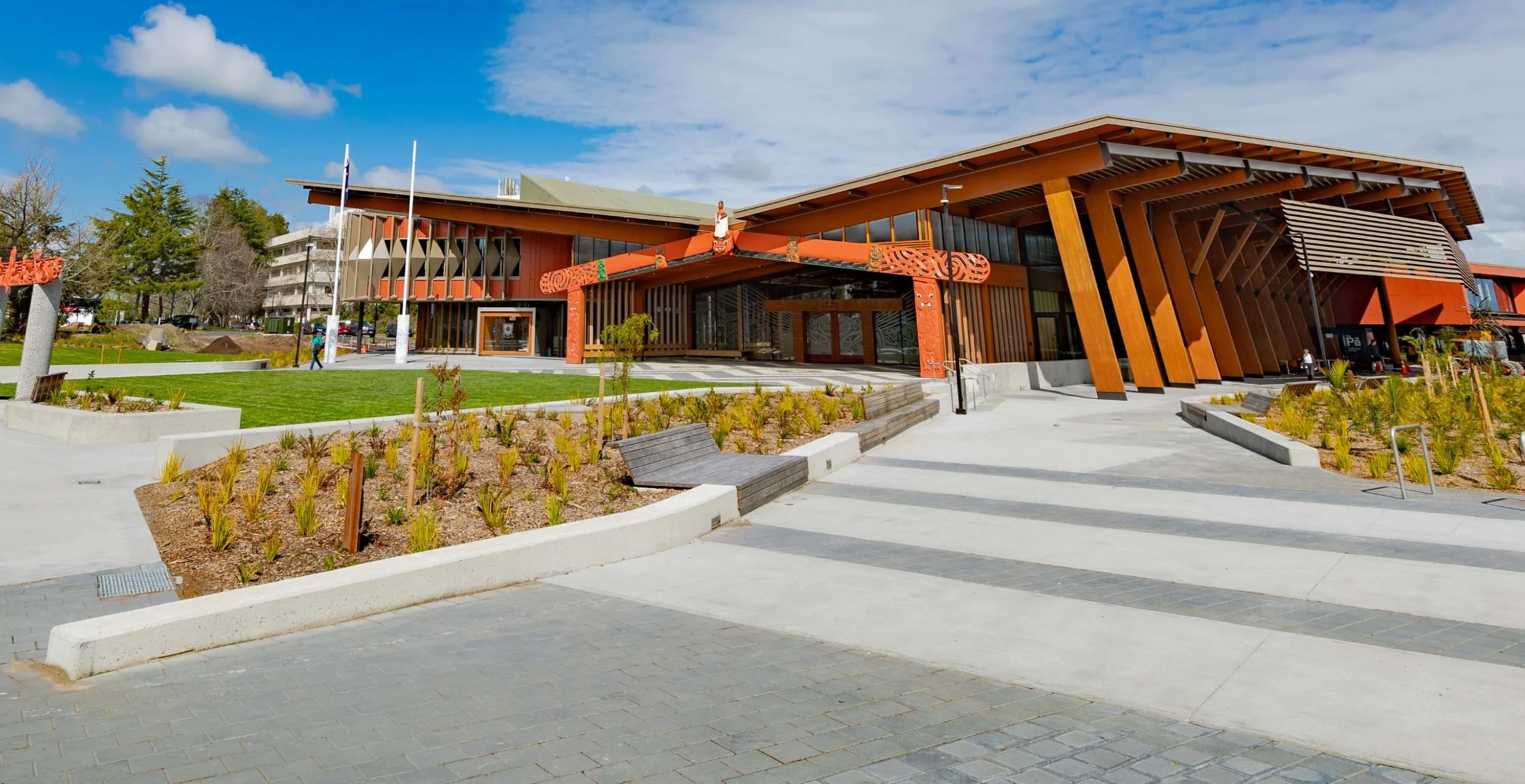
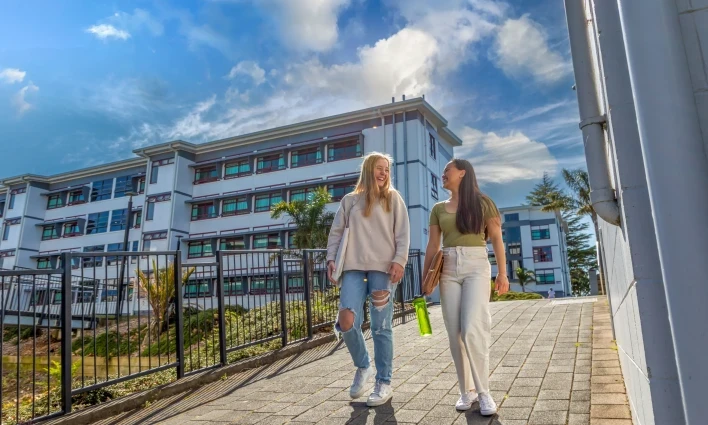
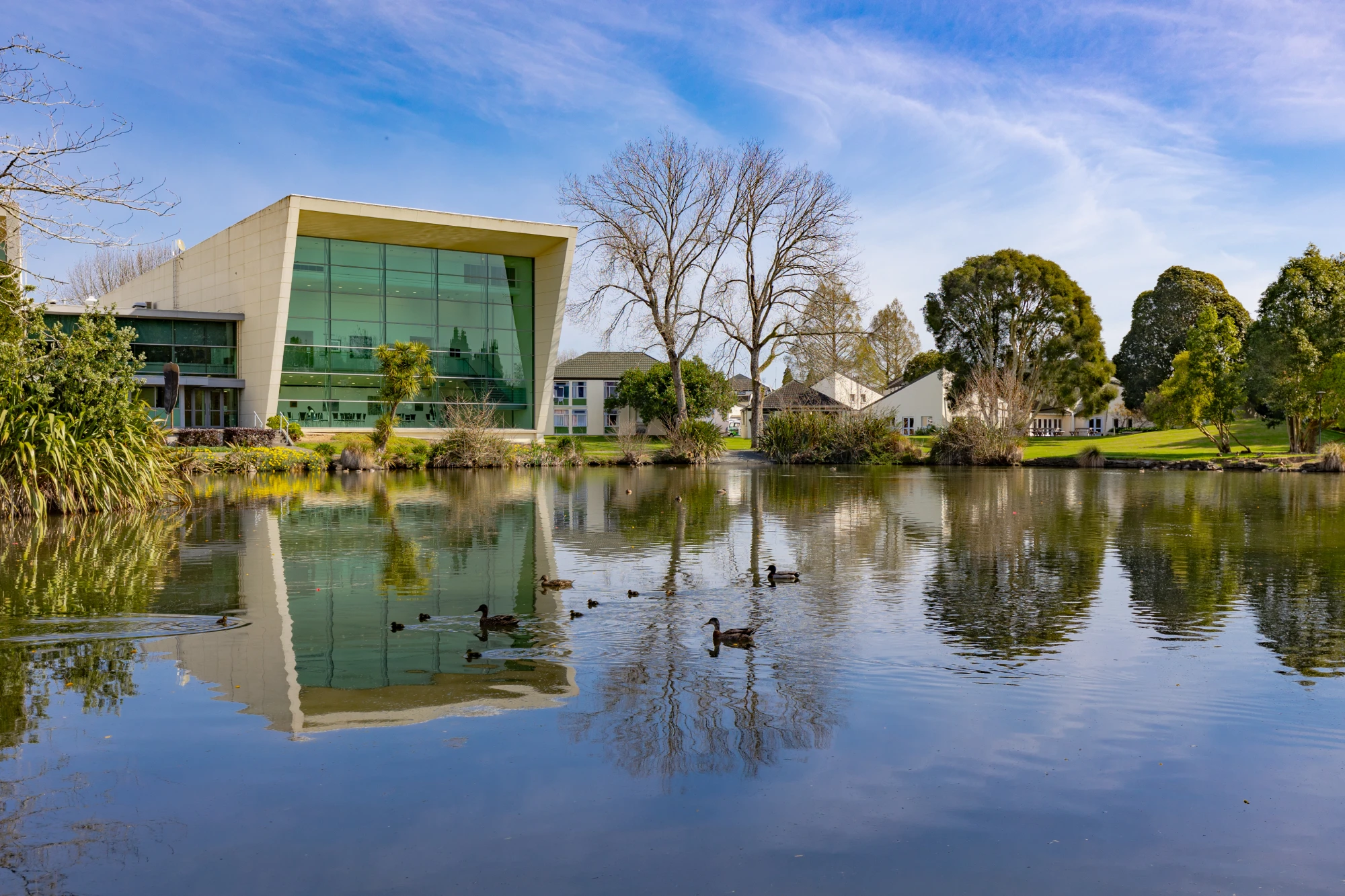
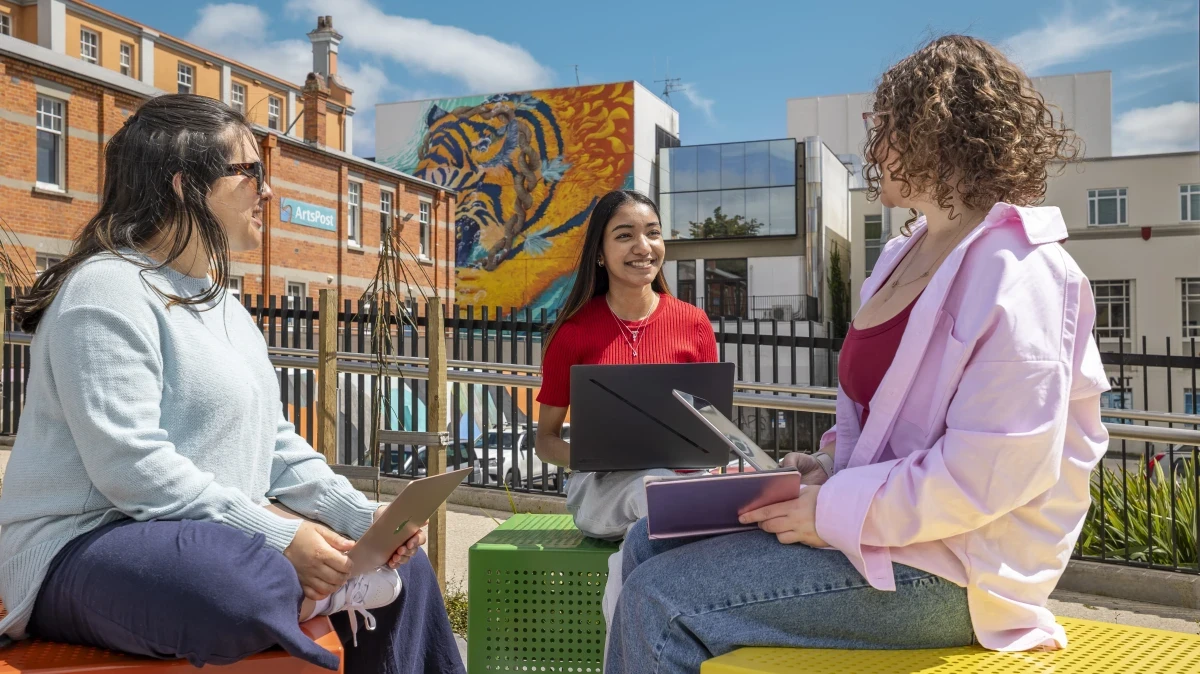
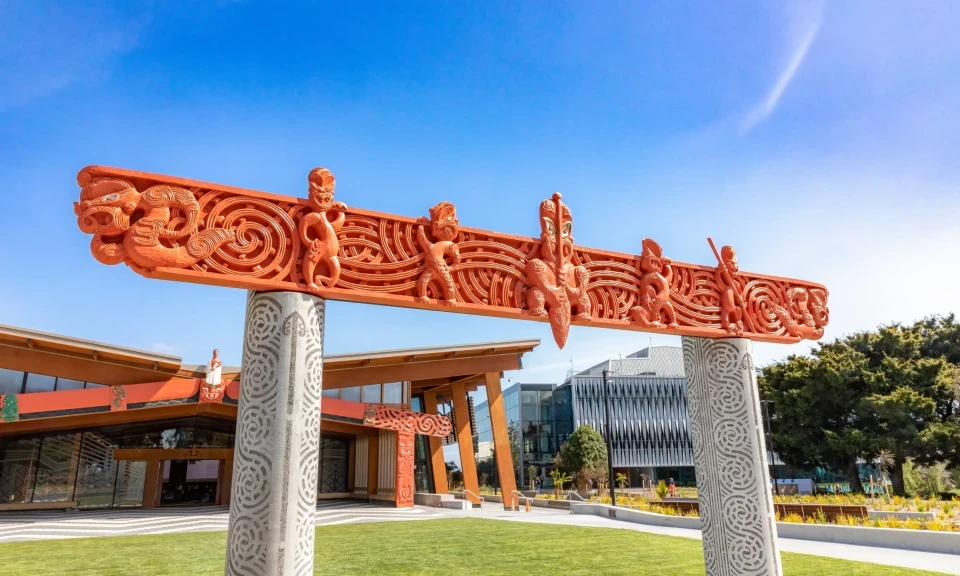
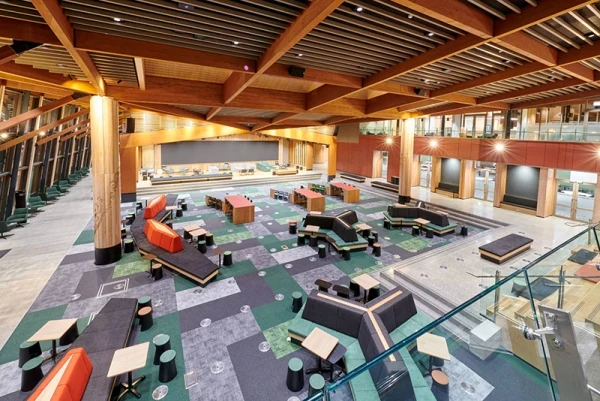
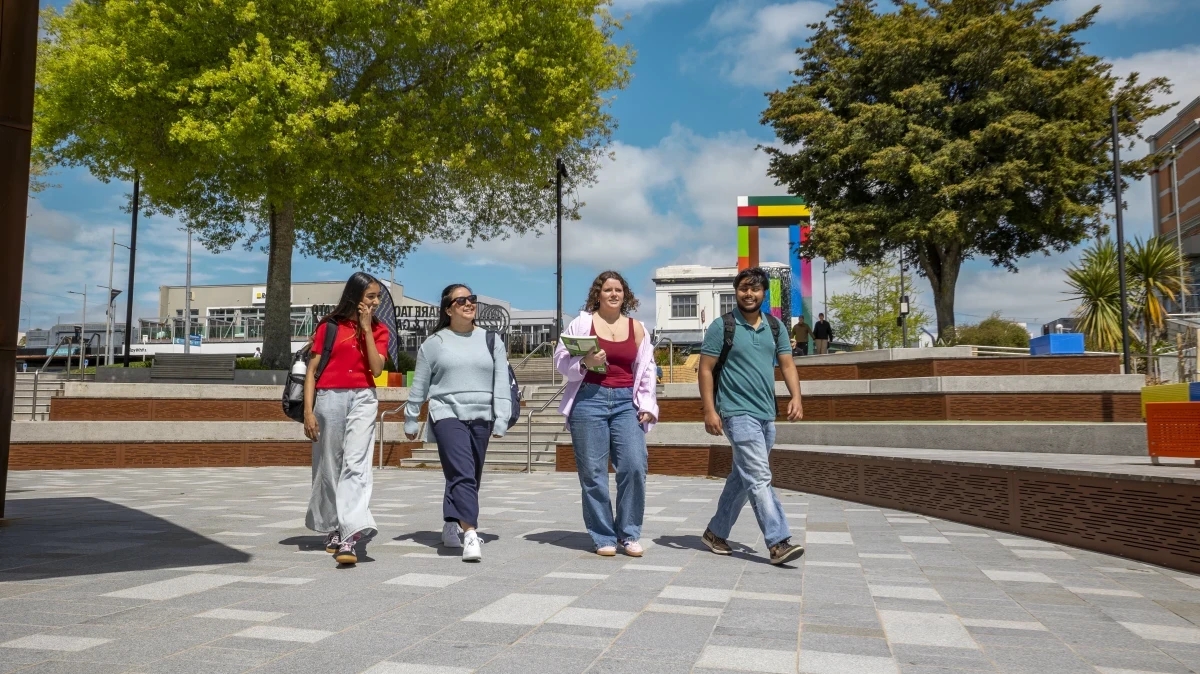
Daily student routines center around the modern facilities of the Hamilton and Tauranga campuses. Students spend their intervals gathering information from the library's physical archives or joining peer discussion teams inside the multi-functional spaces of The Pā. The university provides 24-hour computer lab access equipped with statistical mapping programs and data compilation software needed for group research assignments. The relaxed campus grounds offer a calm setting to process deep readings, providing outdoor spots where students chat about societal challenges between scheduled meetings.
Analytical Pathways and Institutional Careers
The program establishes clear steps toward advanced academic tracks or specialized career avenues. Graduates routinely move into the Bachelor of Social Sciences with Honours to complete targeted dissertations on specific regional policy or cultural trends. The training shapes individuals for career paths where analyzing human group dynamics is key, including environmental planning, intelligence analysis, human rights advocacy, and social research. By learning how to gather social data and critique complex public trends, students graduate ready to fit into evolving public and private institutions.
Entry Requirements
Review the academic qualifications, grades, and additional criteria needed for admission to this program.

SPM
Minimum 5 credits including Mathematics (C) & English (C)


STPM
Minimum CGPA 3.00 including Mathematics T (C)


DIPLOMA
Minimum CGPA 3.00 including Mathematics T (C)


A-LEVEL
Minimum CGPA 3.00 including Mathematics T (C)


O-LEVEL
Minimum CGPA 3.00 including Mathematics T (C)
ADDITIONAL REQUIREMENTS
- MUET Band 3 or above
- IELTS Overall 6.0 or above
- Has at least one industry level certification in Engineering
Entry Requirement
About this School




Other Courses from This University
Explore all diploma, degree, and postgraduate programs available at this institution.
Courses You Might Be Interested
Explore similar diploma, degree, and postgraduate programs that you matches your interest.