


Bachelor of Engineering (Honours)

Course Qualification
Degree

Study Period
4 Years

Study Mode
Full Time

Intakes
March, July, October

Estimate Fee
RM477,891
Course Overview
The First Year Transition
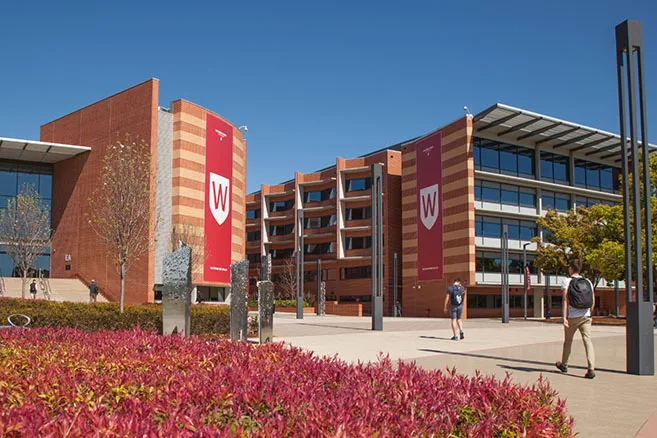
The journey begins with a common first year where students explore the fundamental pillars of the discipline before committing to a specific path. Rather than being locked into a single lane from day one, learners spend their initial months at the Western Sydney University Sydney City Campus testing the waters of different specialisations. This period is defined by a mix of lecture-based theory and practical problem-solving sessions that help clarify the differences between Civil, Electrical, and Mechanical streams. It is a time for building a strong base in physics and calculus, ensuring every student has the tools needed for the more complex technical challenges that follow.
Specialised Learning Tracks
Once a major is chosen, the focus shifts toward deeper technical mastery within the selected field. Students in the Civil stream might find themselves calculating structural loads for urban infrastructure, while those in Electrical Engineering dive into power distribution and control systems. Mechanical students often work with CAD software to design moving parts and machinery. The Engineering Handbook details how these subjects are layered, moving from basic principles to advanced applications. This stage of the course is less about reading from a book and more about applying logic to real-world scenarios, such as designing sustainable energy solutions or planning traffic flow for a growing city.
Professional Life and Practicality
Life as an engineering student at the Sydney City Campus is deeply connected to the surrounding professional landscape. Because the campus is located in the heart of a global city, the learning environment naturally mirrors a professional office setting. A significant part of the experience involves the mandatory 12-week industrial experience, which acts as a bridge between the classroom and a career. Students spend time in actual engineering firms or on project sites, logging hours that count toward their eventual Engineers Australia accreditation. This practical requirement ensures that by the time graduation arrives, the transition into a junior engineering role feels like a natural next step rather than a sudden leap.
The Final Honours Project
The culmination of the degree is the Honours year, which is centered around an individual research project or a complex design task. This is where students take full ownership of a specific engineering problem, working closely with academic supervisors to find a viable solution. It might involve building a prototype in a lab, running simulations on specialized software, or conducting a detailed feasibility study for a new piece of technology. This final stretch is intense and requires high levels of self-discipline, but it serves as the ultimate showcase of a student's ability to operate as a professional engineer, ready to enter the workforce or move into higher research degrees.
Entry Requirements
Review the academic qualifications, grades, and additional criteria needed for admission to this program.

SPM
Minimum 5 credits including Mathematics (C) & English (C)


STPM
Minimum CGPA 3.00 including Mathematics T (C)


DIPLOMA
Minimum CGPA 3.00 including Mathematics T (C)


A-LEVEL
Minimum CGPA 3.00 including Mathematics T (C)


O-LEVEL
Minimum CGPA 3.00 including Mathematics T (C)
ADDITIONAL REQUIREMENTS
- MUET Band 3 or above
- IELTS Overall 6.0 or above
- Has at least one industry level certification in Engineering
Entry Requirement
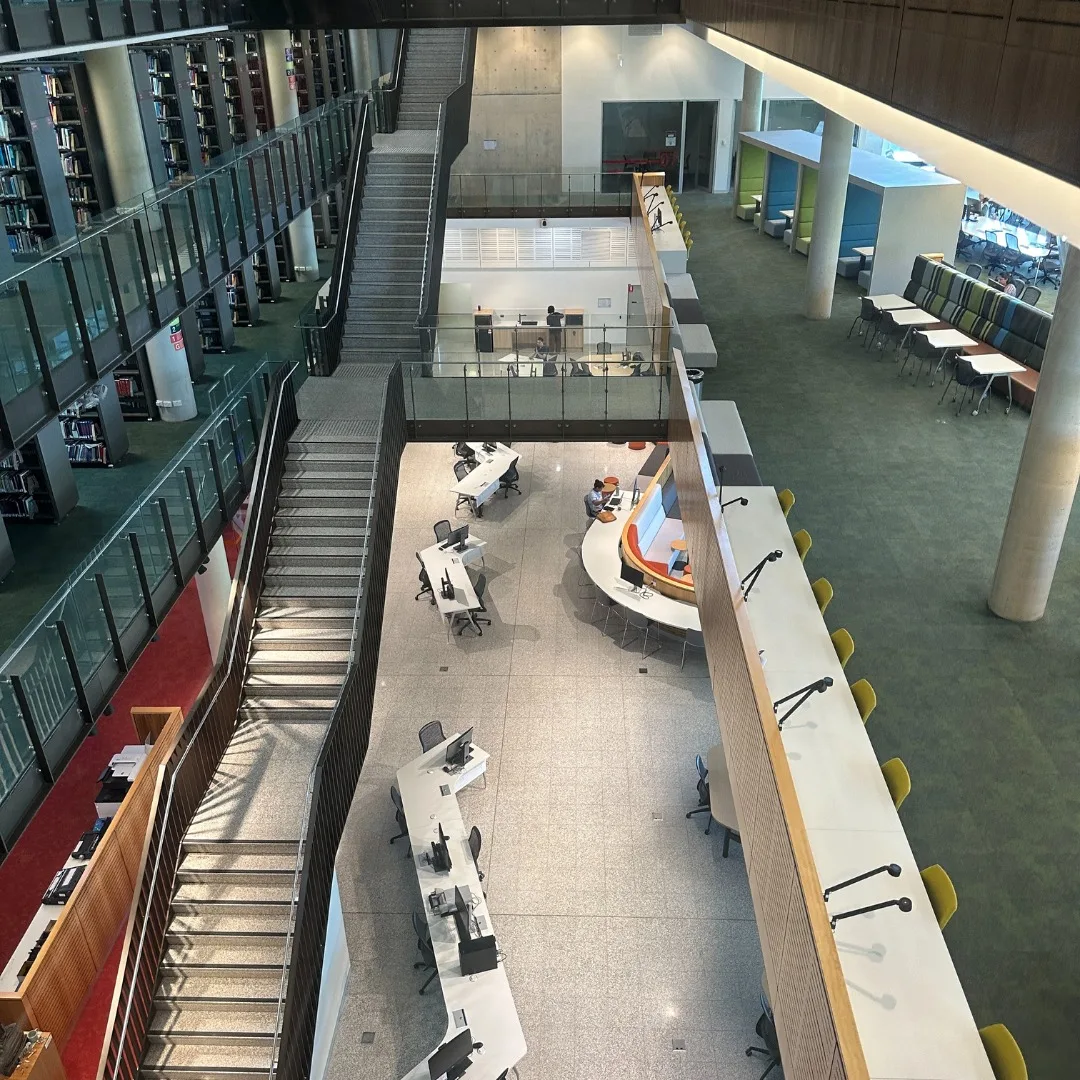
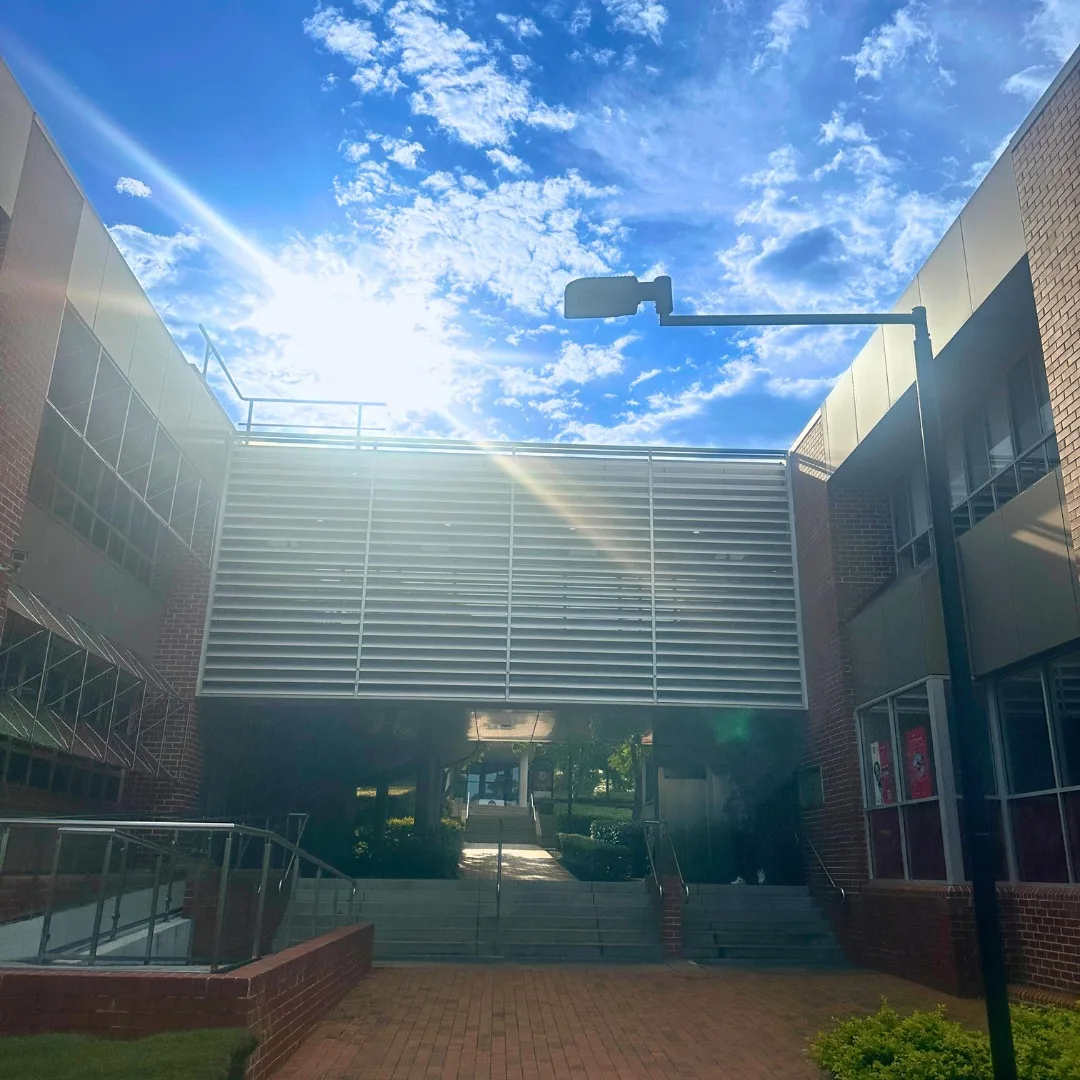
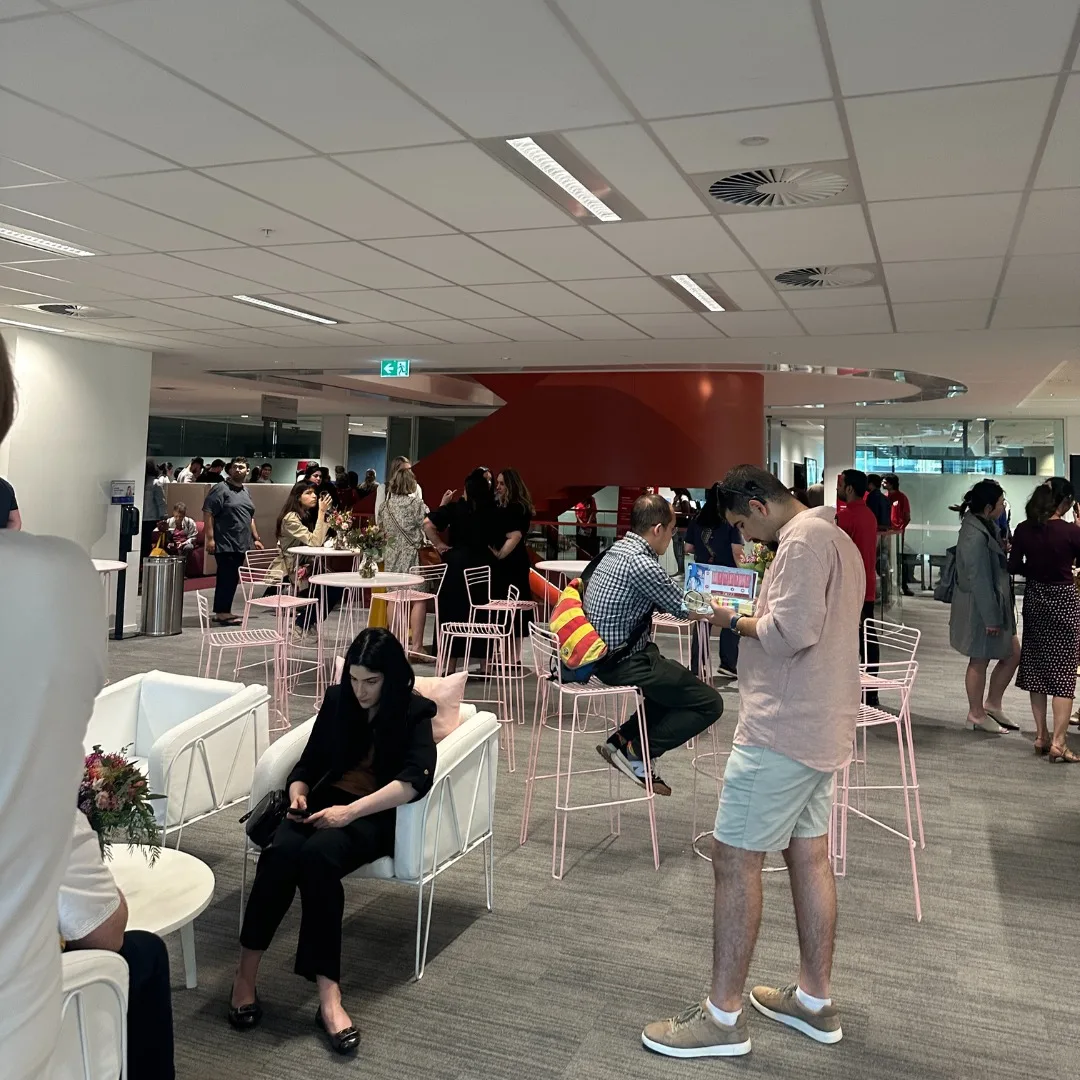
About this School







Other Courses from This University
Explore all diploma, degree, and postgraduate programs available at this institution.
Courses You Might Be Interested
Explore similar diploma, degree, and postgraduate programs that you matches your interest.