


Master of Science

Course Qualification
Master

Study Period
2 Years

Study Mode
Full Time

Intakes
July, March

Estimate Fee
MYR253,300.00
Tuition fee details
Estimated total programme tuition for the full course duration.
- Domestic students
- MYR 253,300.00
- International students
- MYR 253,300.00
Course Overview
A Multidisciplinary Scientific Journey
Students in the Master of Science at the Sydney City Campus engage in a curriculum that bridges advanced theoretical knowledge with practical scientific application. You will spend your days exploring complex themes such as crop management, food safety, and sustainable water systems, depending on your chosen specialisation. The learning experience moves beyond traditional lectures, often involving intensive group discussions where you will debate current environmental and industrial challenges. You might find yourself analysing the chemistry of food products in one session and then pivoting to study the logistics of sustainable agriculture in the next, ensuring a broad and adaptable scientific mindset.
Practical Application and Industry Projects
Life as a student here is defined by active participation in real-world scenarios. One of the standout experiences is the capstone industry project, where you apply your accumulated knowledge to a specific professional challenge. You might work on a project involving protected cropping systems or develop a research plan for a public health nutrition initiative. These assignments are designed to mirror the tasks of a working scientist, requiring you to design experiments, collect data, and present your findings to peers and mentors. This environment encourages a sense of professional responsibility and sharpens your ability to solve problems under the guidance of academic staff.
The Urban Science Community
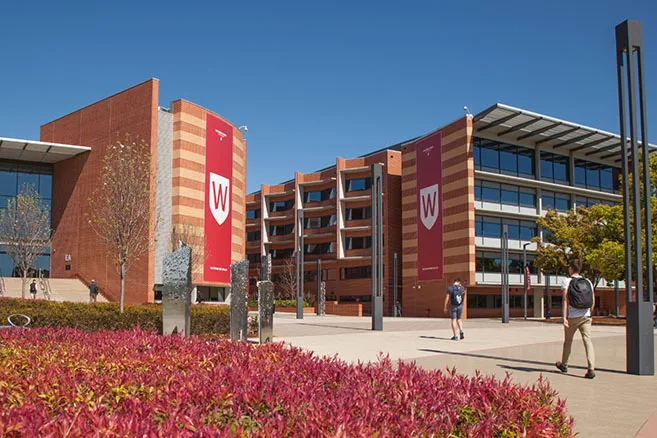
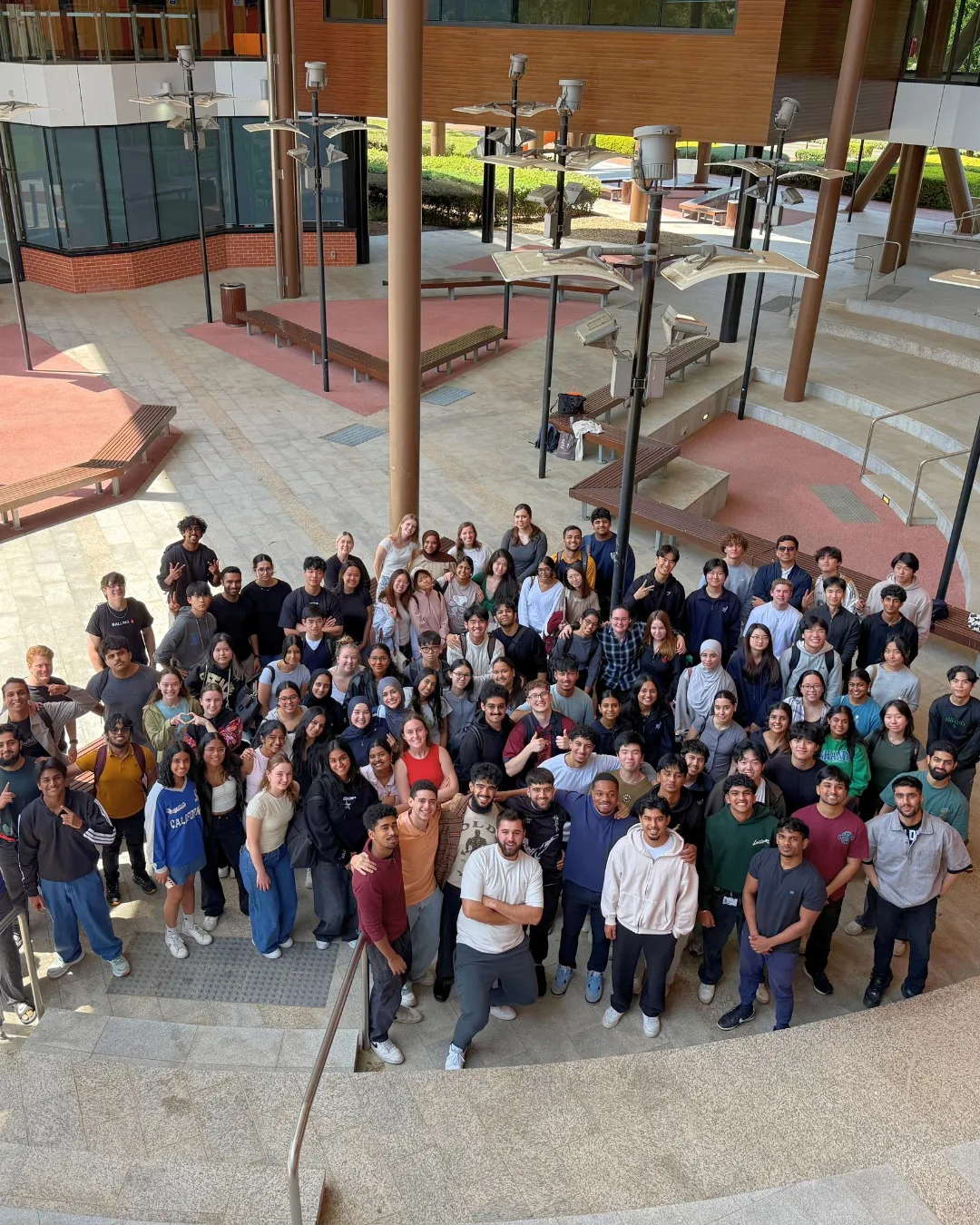
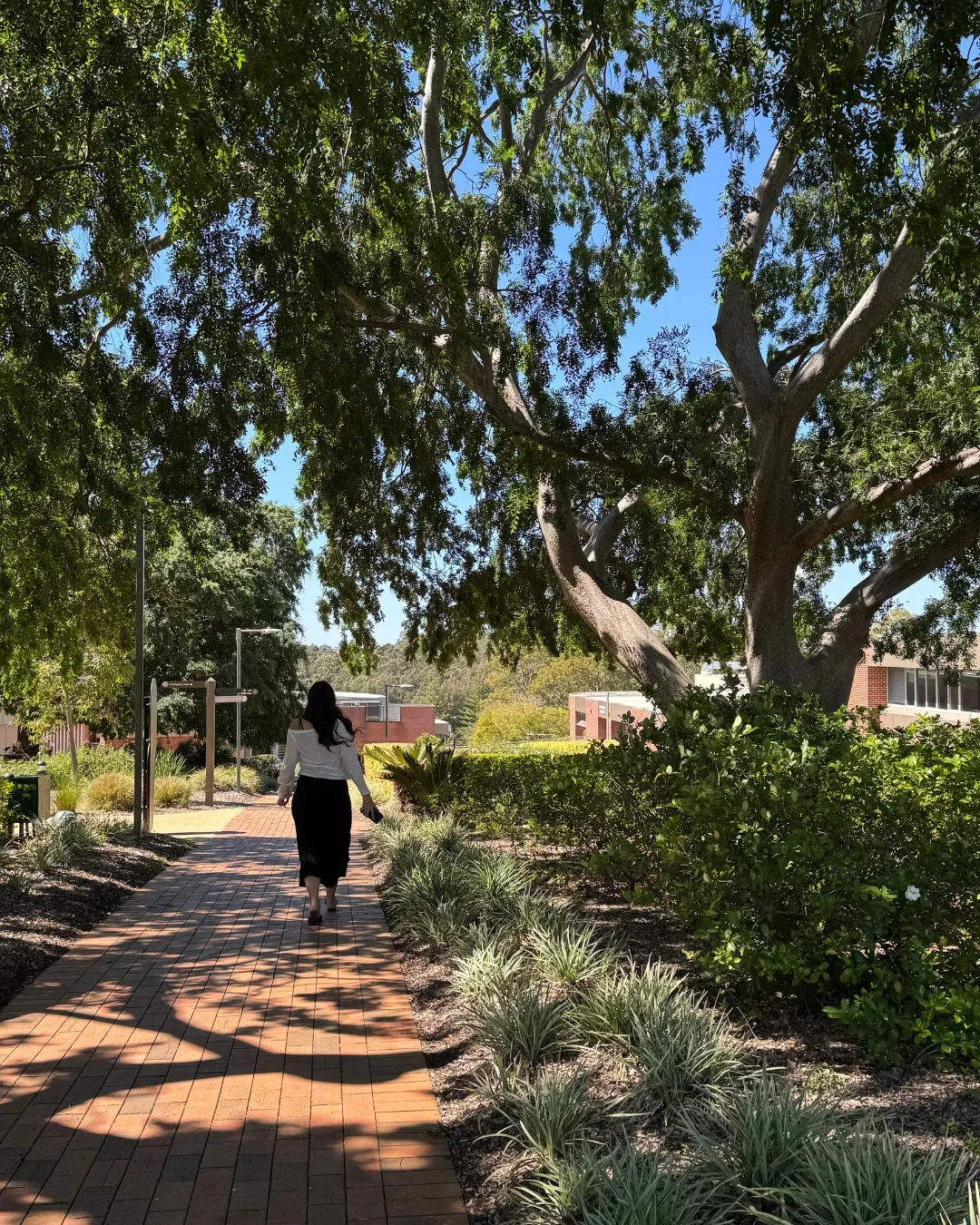
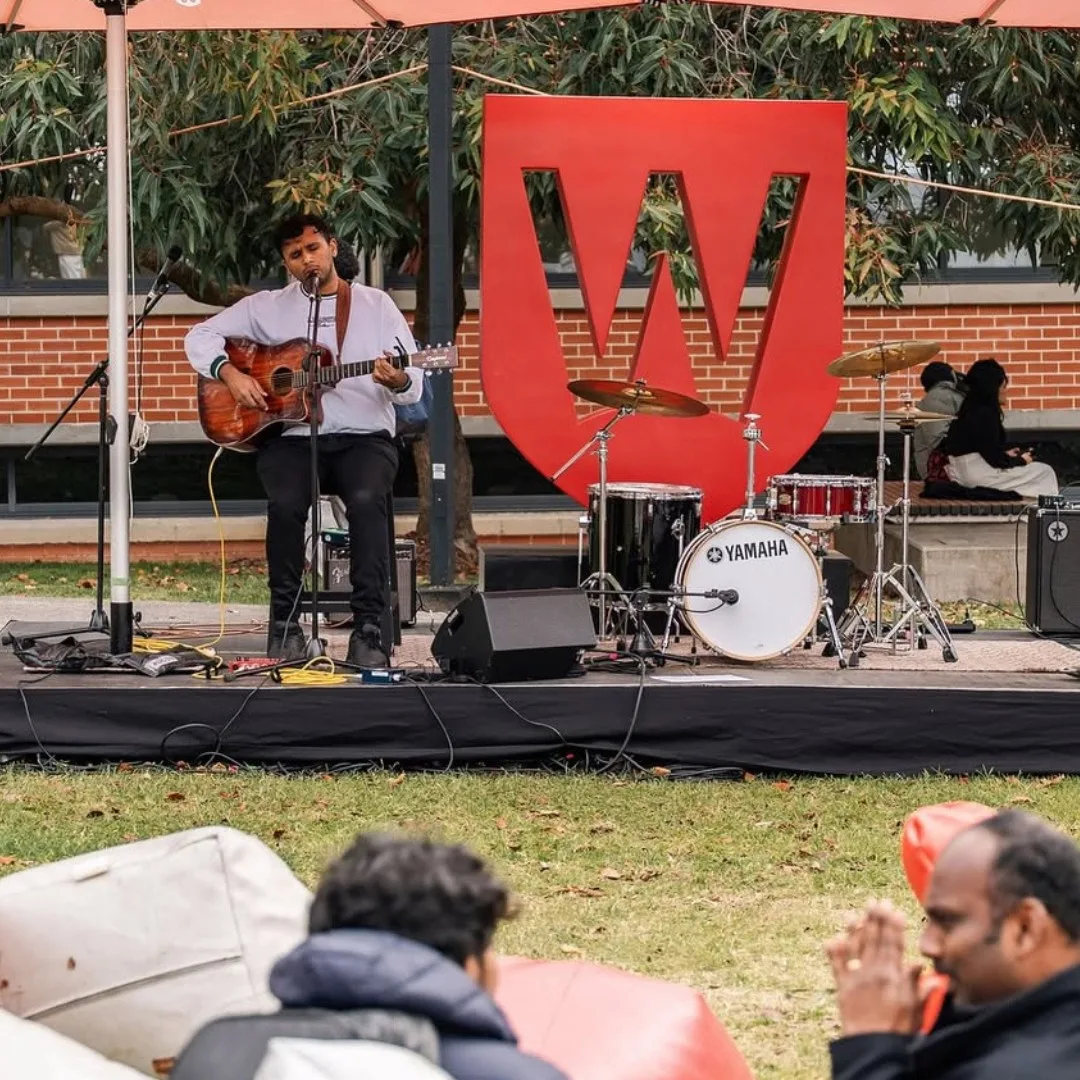
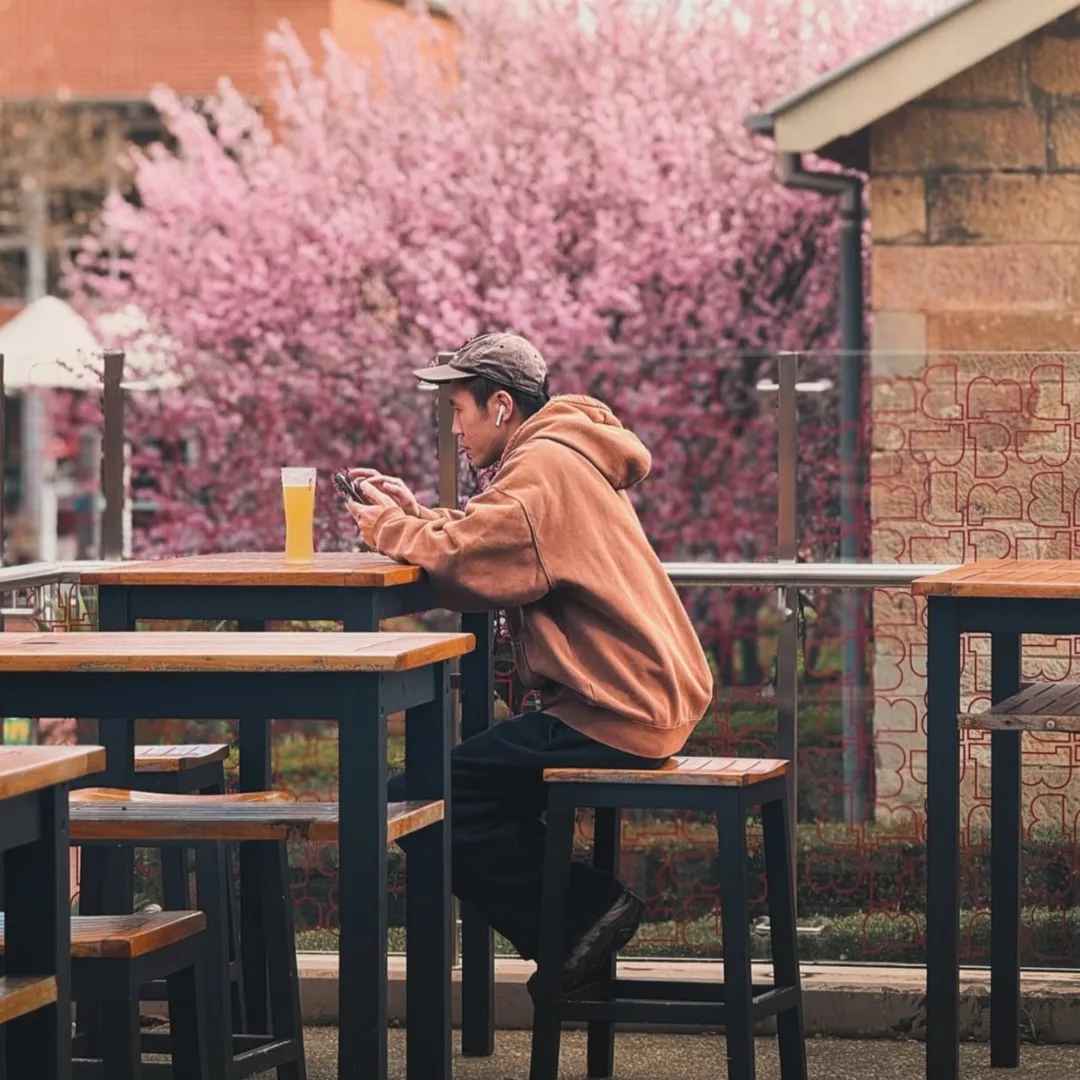
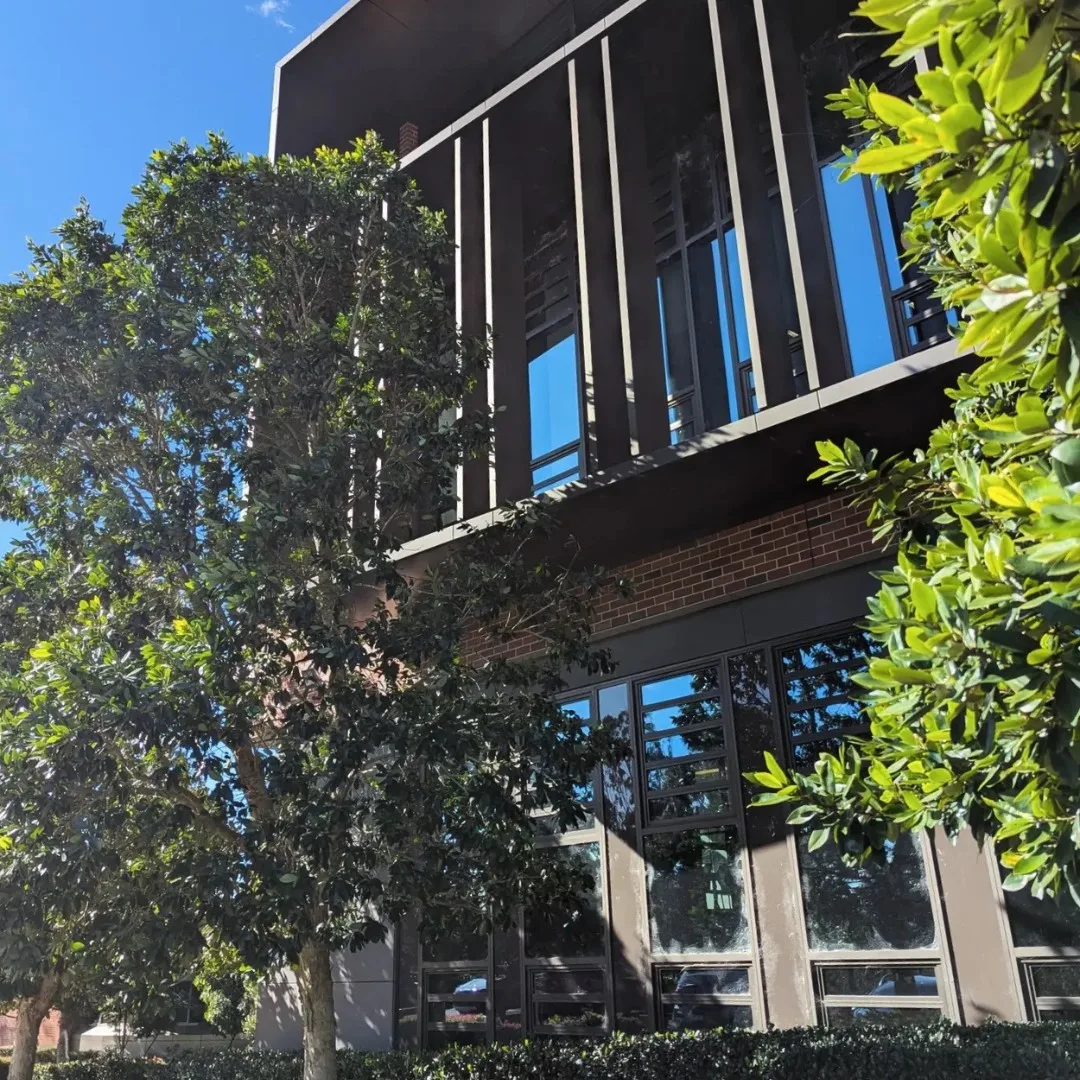
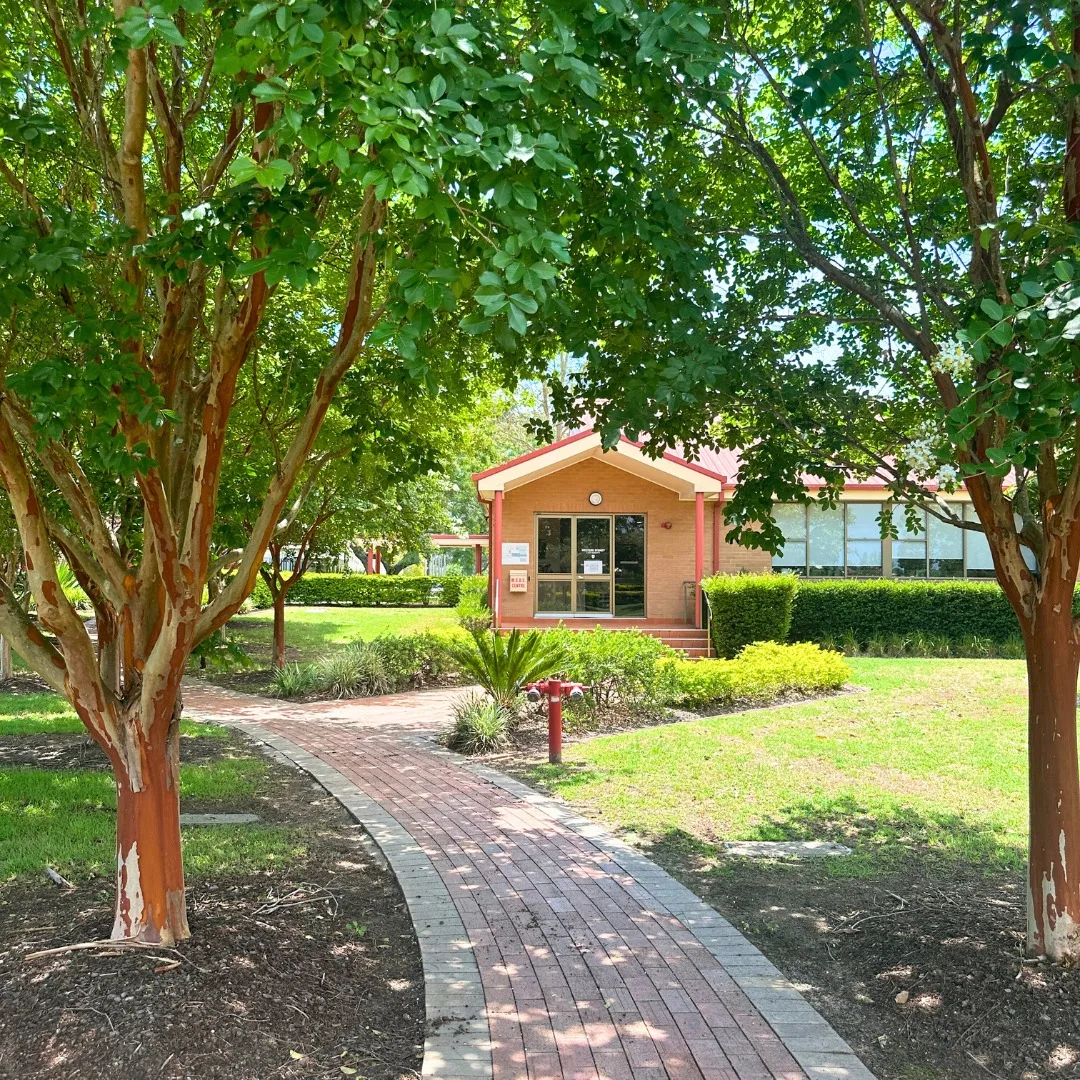
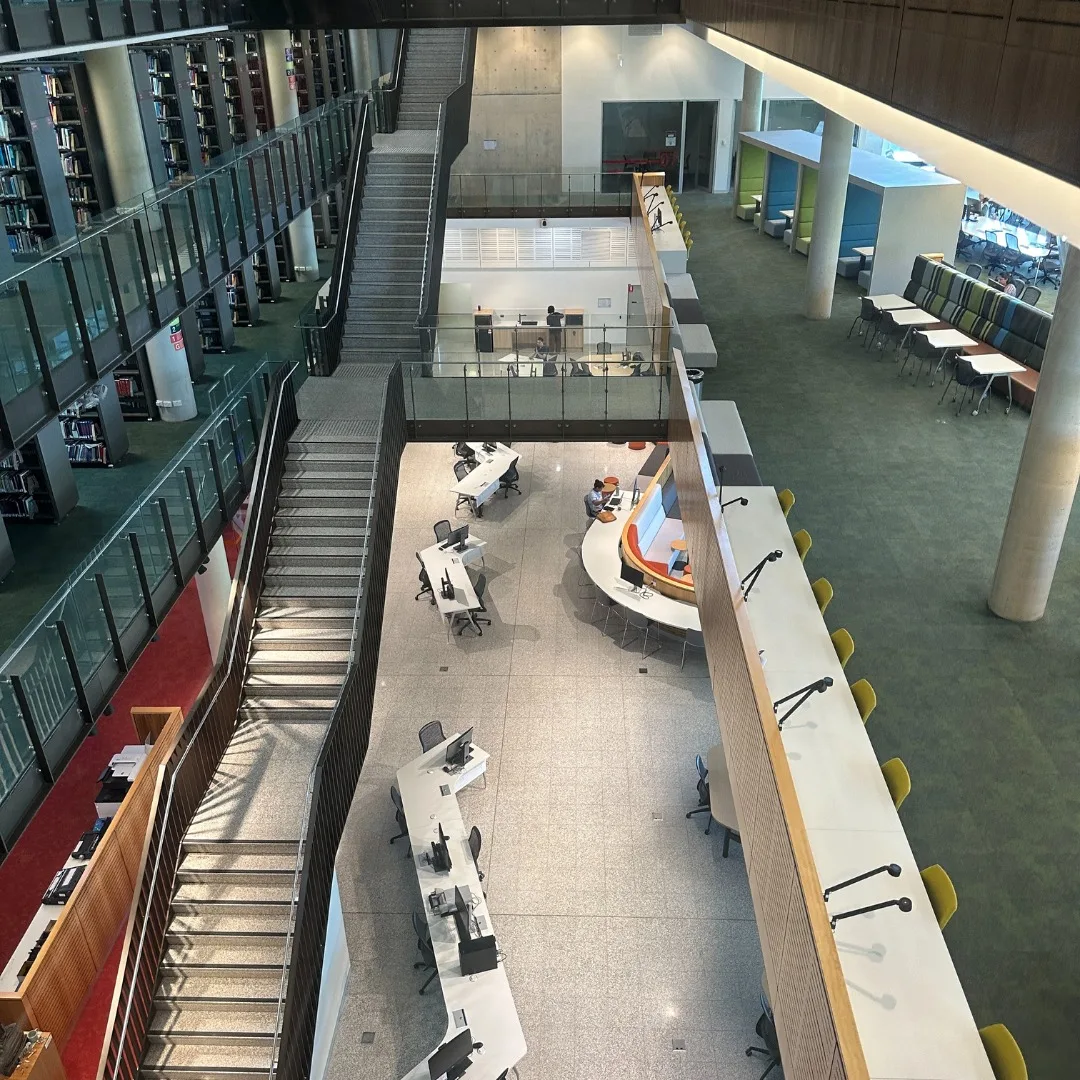
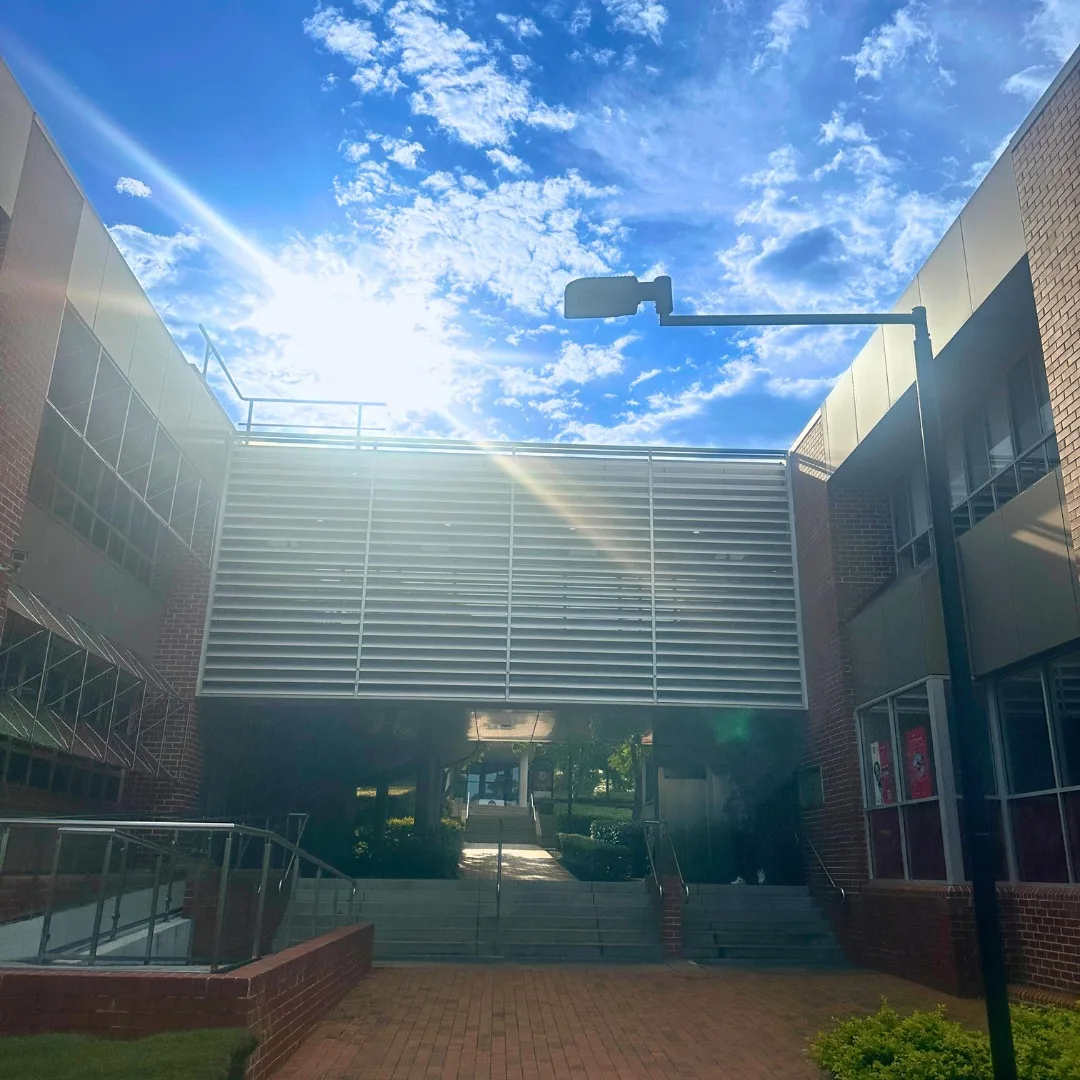
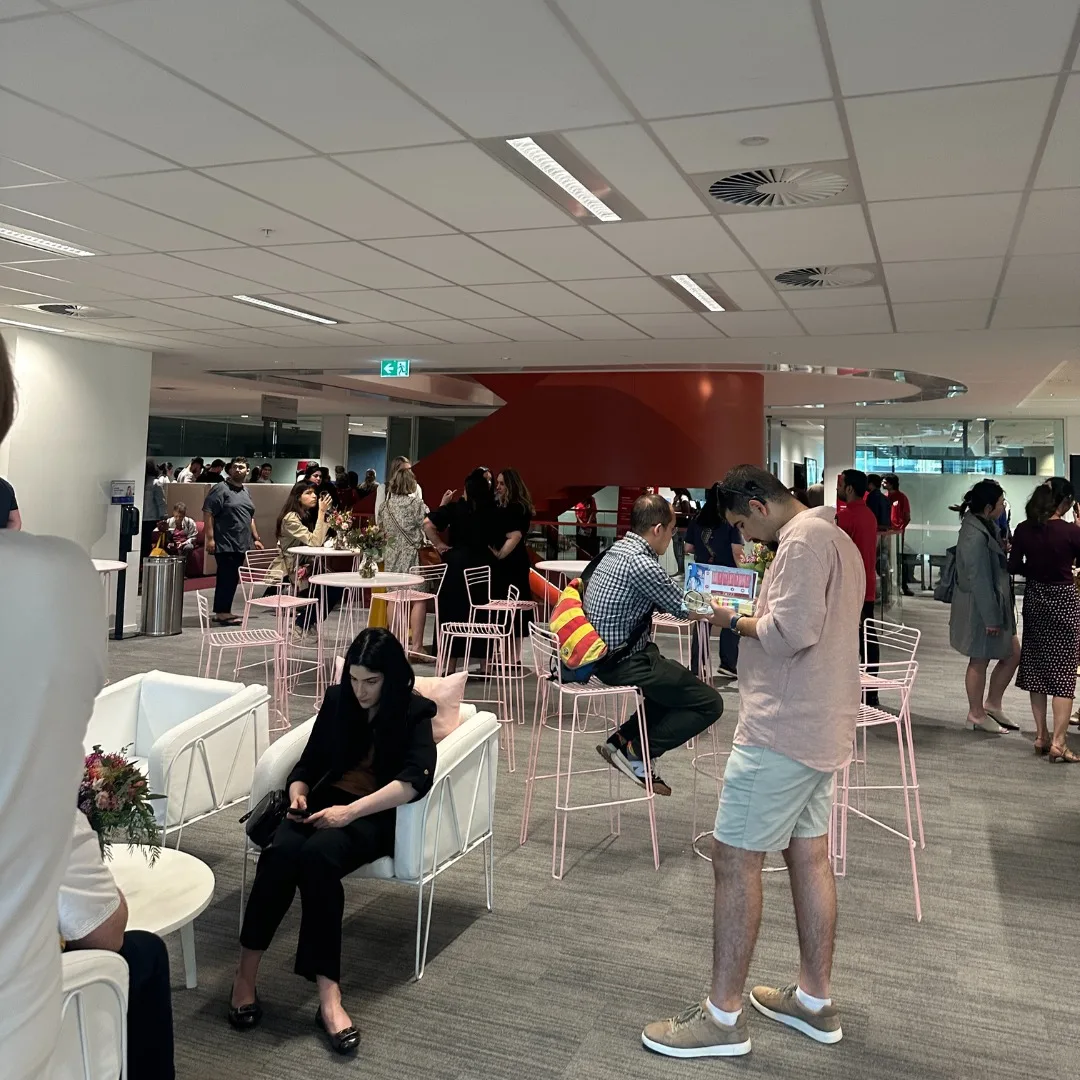
Studying at the Sydney City Campus means your university experience is deeply integrated with the energy of Australia’s largest city. Between lab sessions and library research, you are just a short walk from the NSW State Library and the city’s major science-based industries. The campus itself provides modern computer laboratories and social learning spaces that foster a strong sense of community among postgraduate students. It is common to see students from different scientific backgrounds collaborating on projects in these open areas, sharing insights that span various disciplines and cultural perspectives.
Pathways to Professional Leadership
This course is structured to prepare you for senior roles within government bodies, research organisations, or private consultancies. By mastering advanced research methods and project design, you gain the credentials needed to lead teams in science-based industries. Whether you aim to work in federal environmental agencies or manage food production facilities, the skills you develop here—such as critical analysis and strategic reporting—are directly transferable to high-level professional environments. For those interested in further academic pursuits, the program also provides a solid foundation for transitioning into Higher Degree Research or a PhD.
Entry Requirements
Review the academic qualifications, grades, and additional criteria needed for admission to this program.

SPM
Minimum 5 credits including Mathematics (C) & English (C)


STPM
Minimum CGPA 3.00 including Mathematics T (C)


DIPLOMA
Minimum CGPA 3.00 including Mathematics T (C)


A-LEVEL
Minimum CGPA 3.00 including Mathematics T (C)


O-LEVEL
Minimum CGPA 3.00 including Mathematics T (C)
ADDITIONAL REQUIREMENTS
- MUET Band 3 or above
- IELTS Overall 6.0 or above
- Has at least one industry level certification in Engineering
Entry Requirement
About this School







Other Courses from This University
Explore all diploma, degree, and postgraduate programs available at this institution.
Courses You Might Be Interested
Explore similar diploma, degree, and postgraduate programs that you matches your interest.