Hi, I’m Thomas Wong. I am a digital learning strategist and programmer dedicated to helping students navigate higher education and career planning. With years of experience in UI design and coding, I translate real-world industry demands into practical academic advice. Whether I'm covering university news or writing study guides, my goal is to help students build the habits they need to succeed in today's digital workforce.
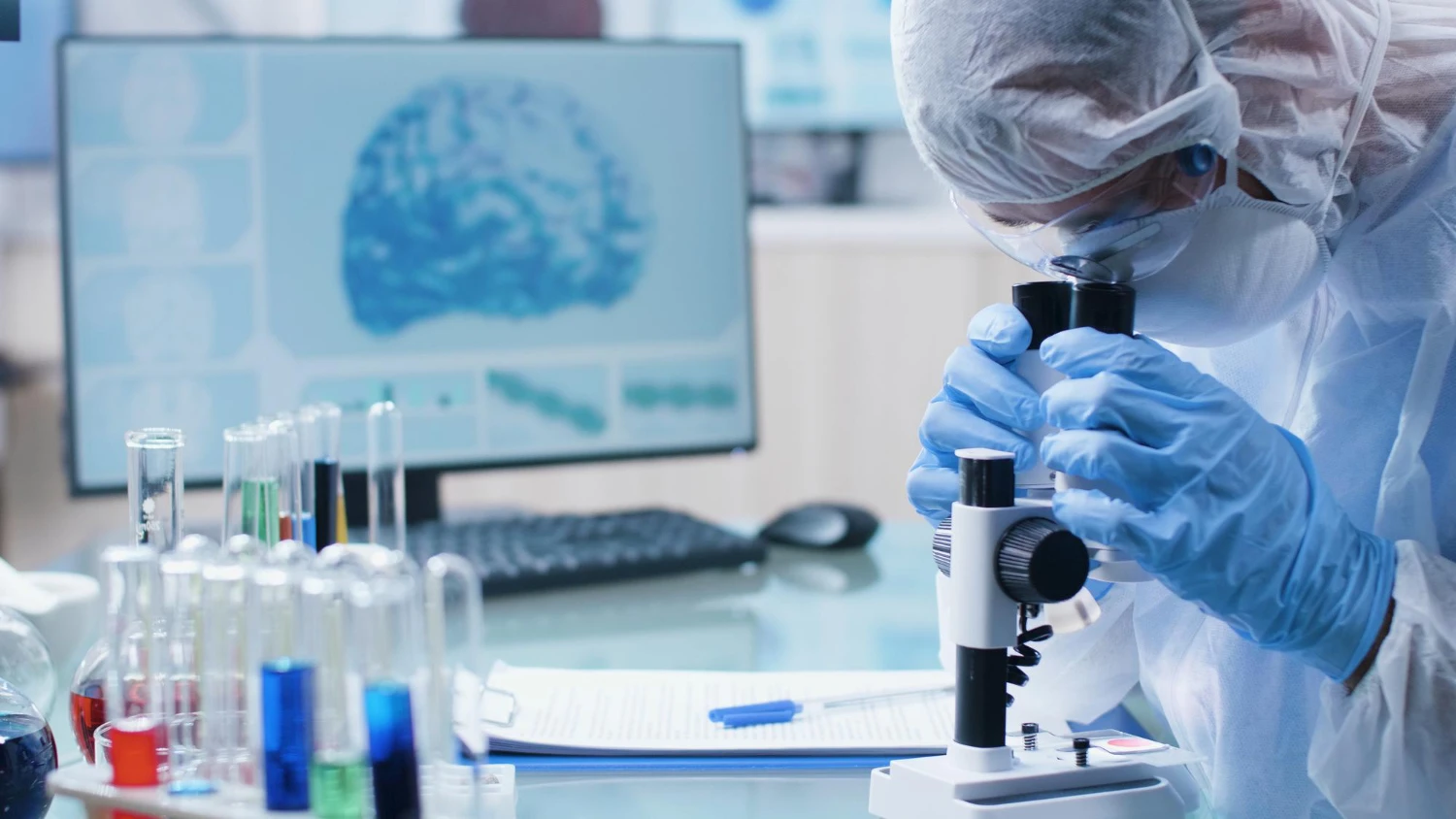
Researchers have grown human neurons on silicon chips, taught them to play Pong and now installed them in a prototype data centre in Singapore. Biocomputing promises low-energy AI and better drug testing, but it also raises questions nobody has fully answered.
When the haze cancels outdoor plans, your hostel, library and common room become your whole campus. Here are five ideas for building something fun out of an indoor season, plus a few habits to keep it from taking over your life.
The "rise and grind" culture tells students that successful people wake up before sunrise. Biology tells a different story. This article breaks down how circadian rhythms actually work, why some people are wired to peak at night, and how to plan your study schedule around your natural energy instead of fighting it.
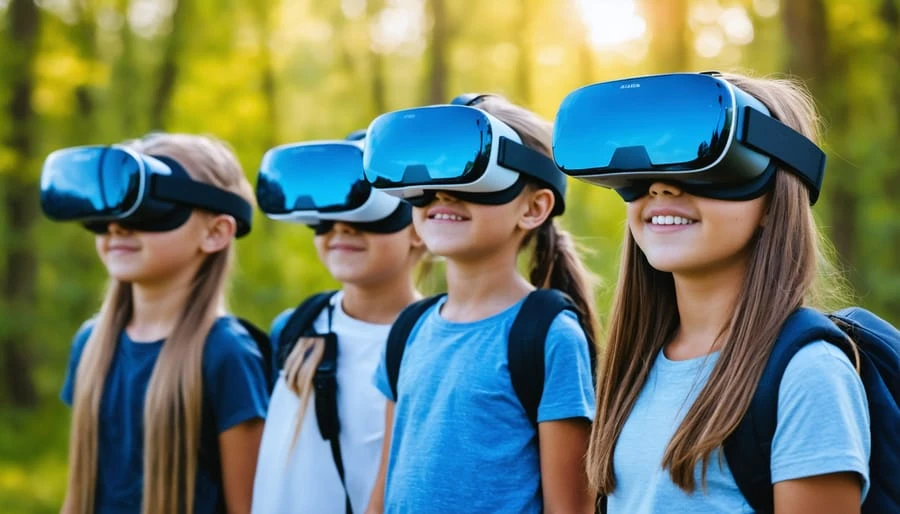
Forget permission slips and bus rides. Virtual field trips are letting students walk through the Louvre, explore the surface of Mars, and tour hospital operating rooms — all from their classroom. Here's everything you need to know about how it works, what the research says, and where it's all heading.
A new wave of AI-generated videos is making history go viral — literally. Here's what's behind the trend, why students are watching, and the bigger questions it raises about how we learn from the past.
Most students who plagiarise didn't mean to. The problem usually comes down to not knowing exactly where the line is — and not having a reliable system to stay on the right side of it. Here's how to fix that.
If you've ever walked out of an exam feeling like you studied the wrong way, the Feynman Technique might be exactly what was missing. Here's what it is, how it works, and how to actually use it.
Ever heard of Erasmus+ but weren't quite sure what it had to do with you? Turns out, quite a lot — especially if you're a Malaysian student with an eye on studying abroad or levelling up your degree experience.
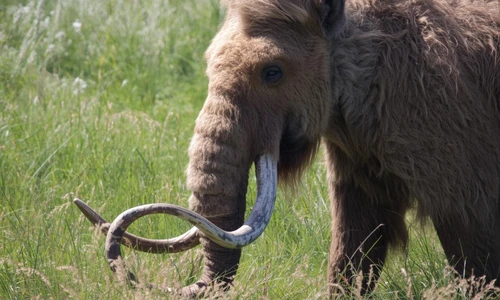
Colossal Biosciences is pioneering the field of de-extinction by using CRISPR gene-editing technology to create functional proxies of extinct species like the woolly mammoth and dire wolf, with the ambitious goal of restoring damaged ecosystems and combating climate change. Rather than creating perfect genetic replicas, scientists are editing the DNA of closely related living species—Asian elephants for mammoths, gray wolves for dire wolves—to express key extinct traits that could help restore ecological balance. While the technology represents a groundbreaking achievement in synthetic biology and offers powerful tools for endangered species conservation, the project faces significant scientific skepticism, ethical questions, and practical challenges about whether these genetically modified animals can truly fulfill the ecological roles of their extinct ancestors.
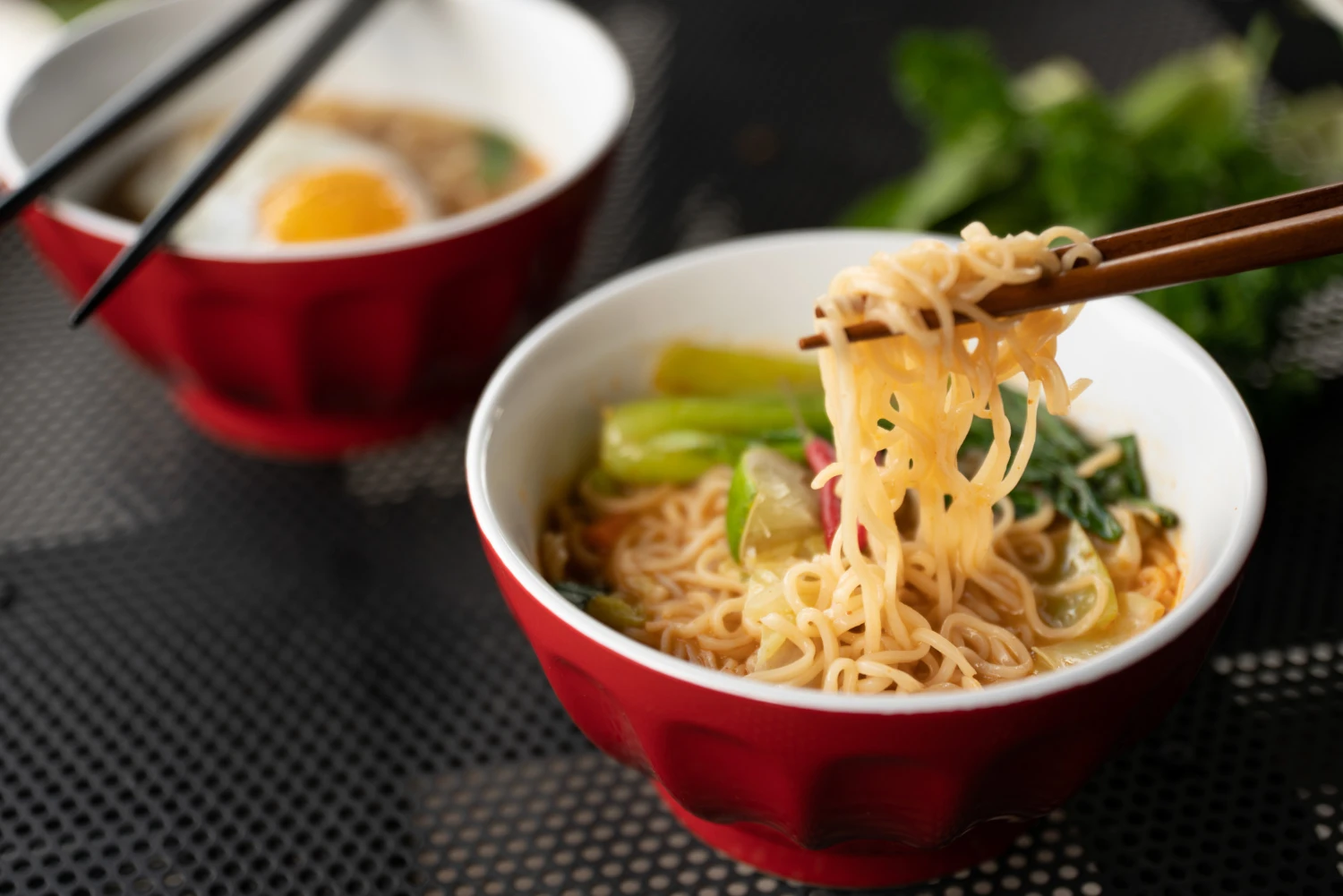
Living in a dorm without a kitchen doesn't mean surviving on instant noodles and takeout—with the right appliances, strategies, and recipes, students can prepare nutritious, budget-friendly meals using just a mini-fridge, microwave, and a few essential tools. Successful dorm room meal prep requires understanding your residence hall's rules, investing in versatile small appliances, and mastering simple techniques that transform basic ingredients into satisfying meals. By planning weekly menus, batch-cooking staples, and building a smart pantry of shelf-stable ingredients, students can eat healthier, save significant money, and develop cooking skills that serve them long after graduation.