

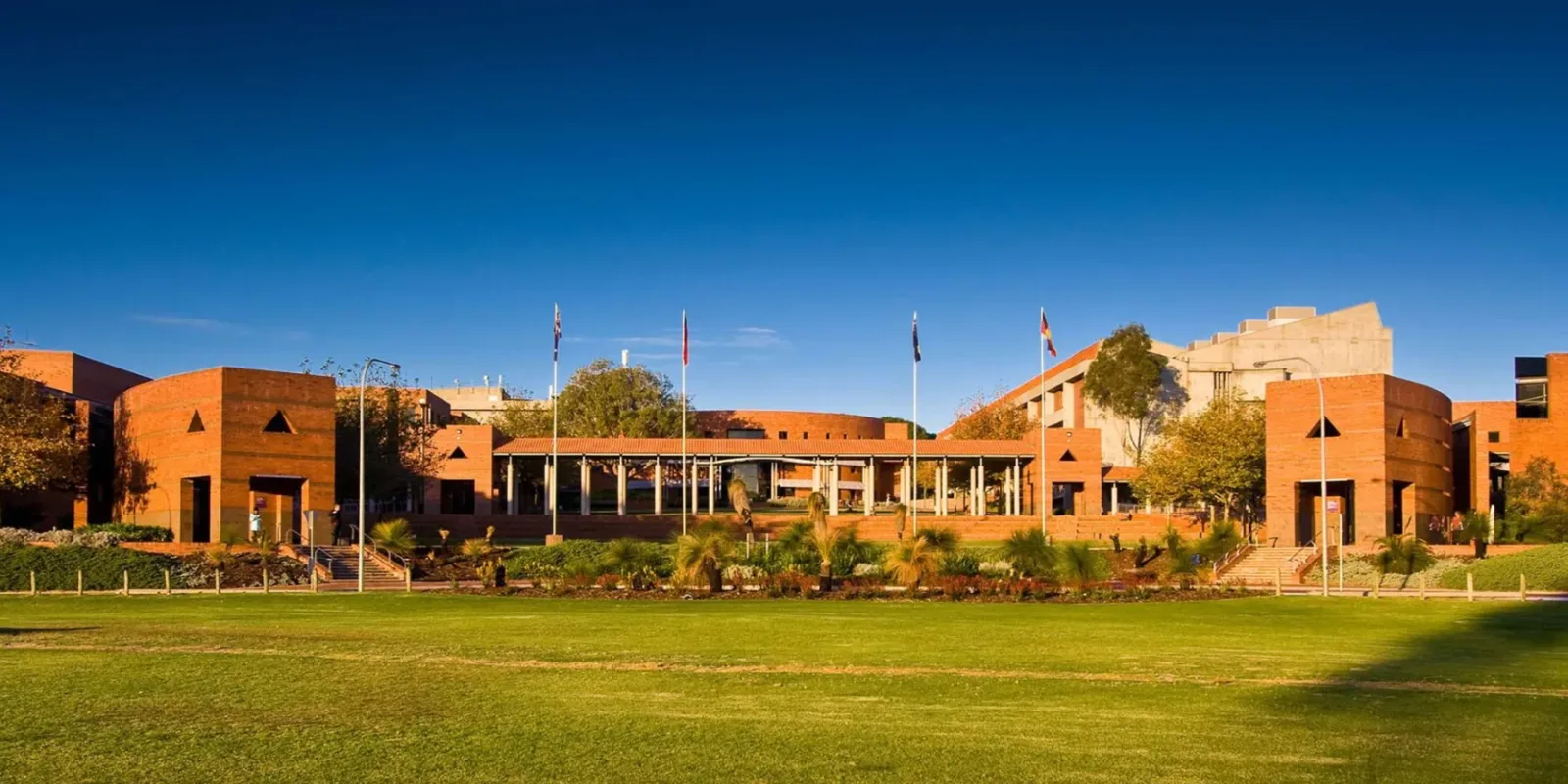

Bachelor of Science (Physics)

Course Qualification
Degree

Study Period
3 Years

Study Mode
Full Time

Intakes
February, July

Estimate Fee
MYR365,833.00
Tuition fee details
Estimated total programme tuition for the full course duration.
- Domestic students
- MYR 365,833.00
- International students
- MYR 365,833.00
Course Overview
Understanding the Fundamental Laws of Nature
Students in the Physics major explore the fundamental principles that govern the universe, from the subatomic scale to the vast reaches of distant galaxies. The curriculum is built to address real-world problems through a combination of observation, measurement, and rigorous theoretical analysis. You will study core concepts such as quantum mechanics, thermodynamics, and electromagnetism while gaining experience with complex technical equipment. The course offers flexibility by allowing you to specialize in areas like Applied Physics, Astrophysics, Materials Science, or Mathematical Physics, ensuring your studies align with your specific scientific interests.
The Student Experience: Labs and Technical Precision
Life as a physics student at Curtin is intellectually demanding and heavily focused on practical application. You will spend significant time in modern undergraduate laboratories, where you will learn to deploy scientific instruments and undertake complex data analysis. The academic expectation is one of precision; students are encouraged to ask bold questions and use mathematical models to find solutions. The interaction style is highly collaborative, particularly in lab settings and during group projects where you will use supercomputers for simulations or analyze data from cutting-edge radio telescopes if specializing in astrophysics.
Research Culture and Industry Integration
The learning environment is deeply rooted in active research, as you will be taught by academics who are leaders in their fields. This connection provides unique opportunities to engage with high-profile international projects, such as the Square Kilometre Array (SKA). The lifestyle of a physics student includes "Physics@Work" sessions and potential industry placements that help develop professional communication and team management skills. This culture of work-integrated learning ensures that you are not just learning theory but are also building the practical skills required for a professional scientific career.
Preparing for Diverse Global Pathways
This course uniquely prepares graduates for a wide range of high-impact careers by cultivating deep analytical and numerical skills. Graduates are well-positioned for roles as physicists, astrophysicists, meteorologists, or materials analysts. The transferable skills gained—such as digital competency and complex problem-solving—are also highly valued in "non-traditional" sectors like finance, software development, and medical physics. For those aiming for advanced research, the degree serves as a gateway to the Bachelor of Advanced Science (Honours), where you can further specialize in entrepreneurial or translational science.
Entry Requirements
Review the academic qualifications, grades, and additional criteria needed for admission to this program.

SPM
Minimum 5 credits including Mathematics (C) & English (C)


STPM
Minimum CGPA 3.00 including Mathematics T (C)


DIPLOMA
Minimum CGPA 3.00 including Mathematics T (C)


A-LEVEL
Minimum CGPA 3.00 including Mathematics T (C)


O-LEVEL
Minimum CGPA 3.00 including Mathematics T (C)
ADDITIONAL REQUIREMENTS
- MUET Band 3 or above
- IELTS Overall 6.0 or above
- Has at least one industry level certification in Engineering
Entry Requirement
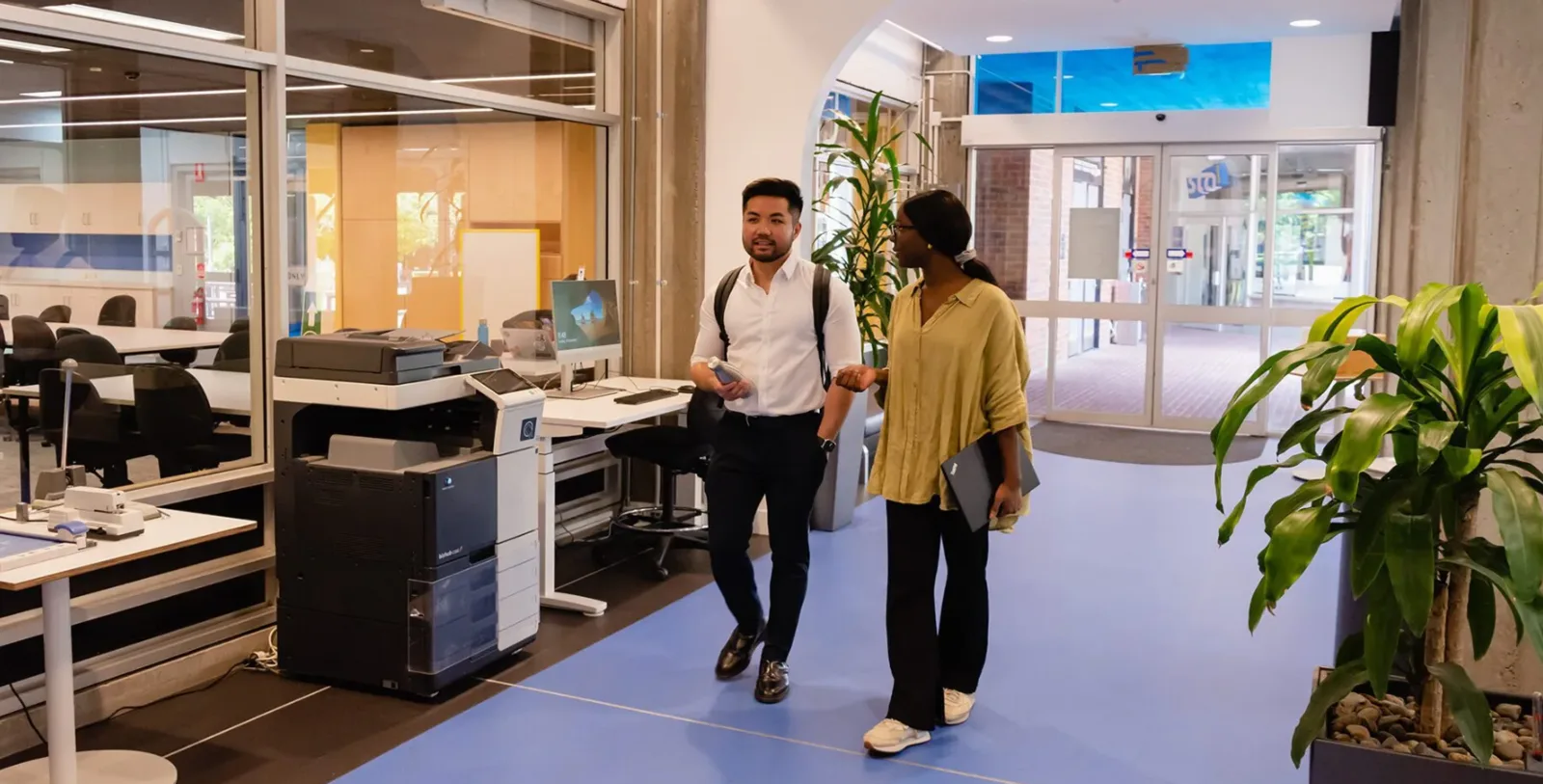
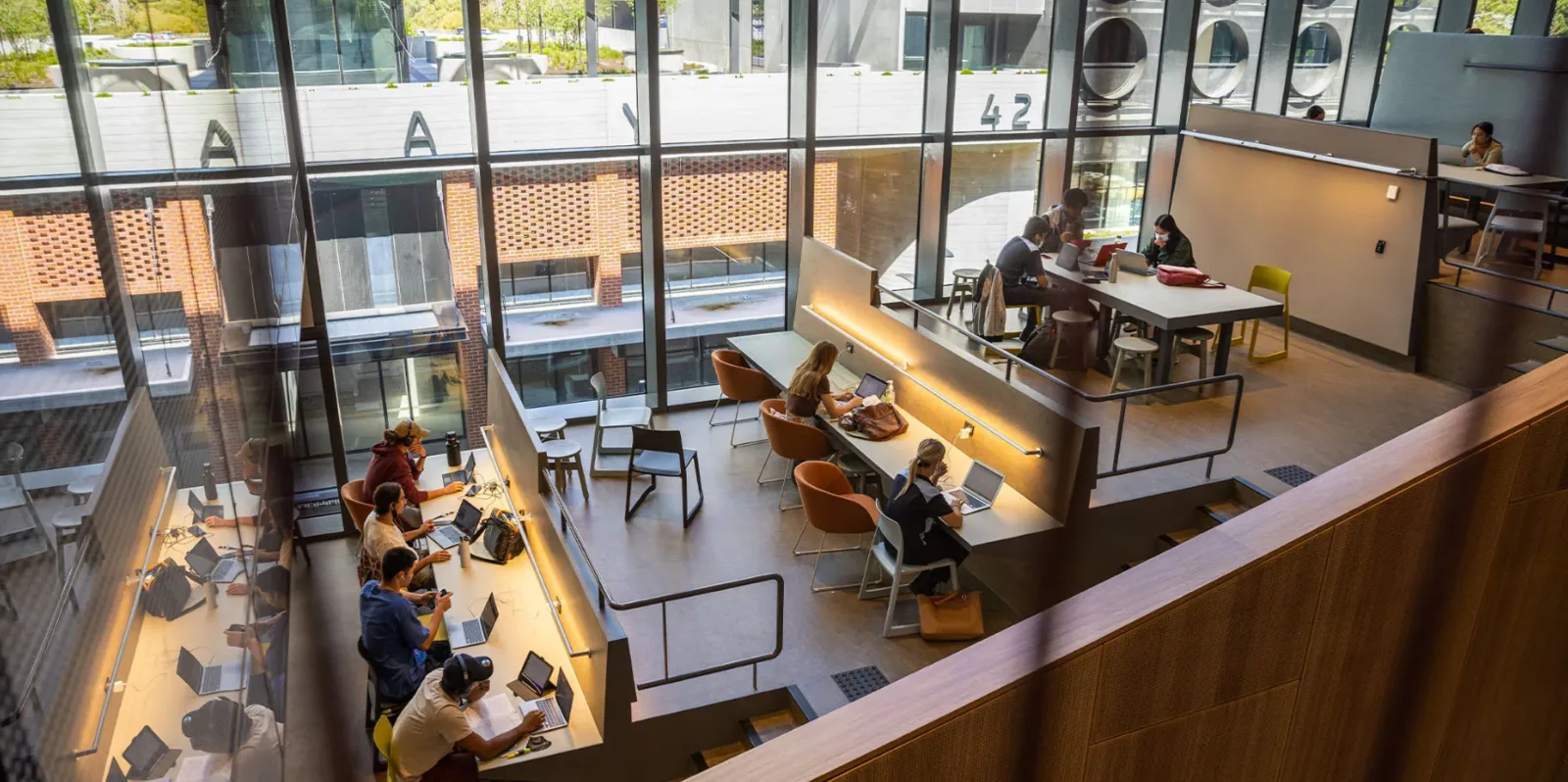
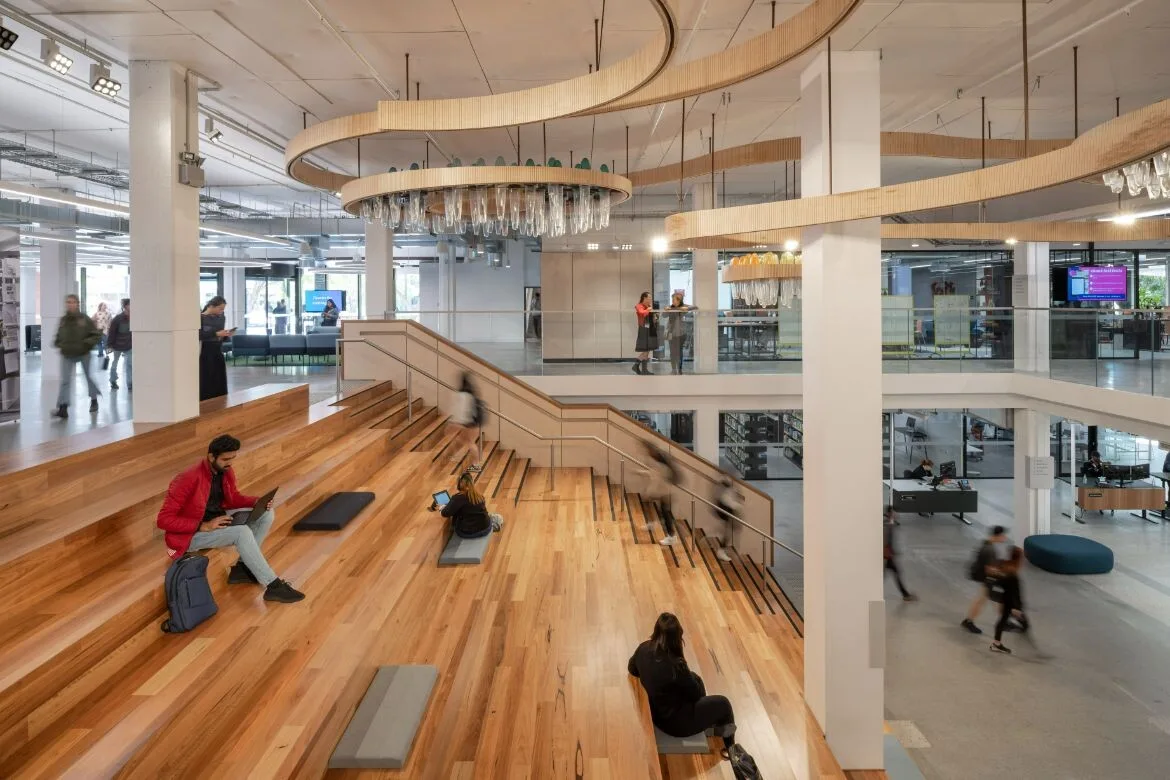
About this School


Other Courses from This University
Explore all diploma, degree, and postgraduate programs available at this institution.
Courses You Might Be Interested
Explore similar diploma, degree, and postgraduate programs that you matches your interest.