


Bachelor of Engineering (Environmental Engineering)

Course Qualification
Degree

Study Period
4 Years

Study Mode
Full Time

Intakes
July, February

Estimate Fee
MYR413,878.00
Tuition fee details
Estimated total programme tuition for the full course duration.
- Domestic students
- MYR 413,878.00
- International students
- MYR 413,878.00
Course Overview
Designing for a Sustainable Future
In this course, you will learn to apply engineering principles to protect the natural world and human health. The curriculum at Murdoch University moves beyond basic physics and chemistry into specialized areas like Atmospheric and Climate Science and Pollution Control. You will spend your time figuring out how to provide clean drinking water, manage urban waste, and design renewable energy systems. The focus is on creating "engineered systems" that don't just work for people, but work with the planet's existing ecological cycles.
Life in the Lab and the Field
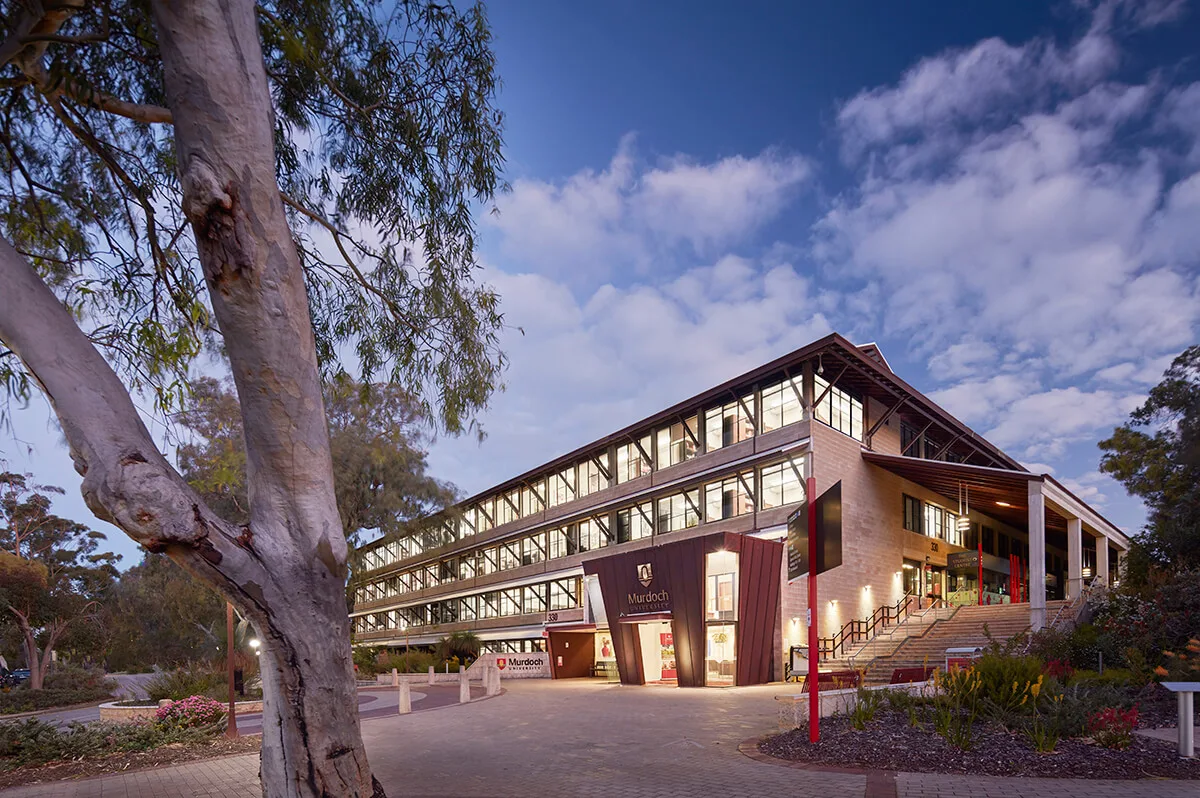
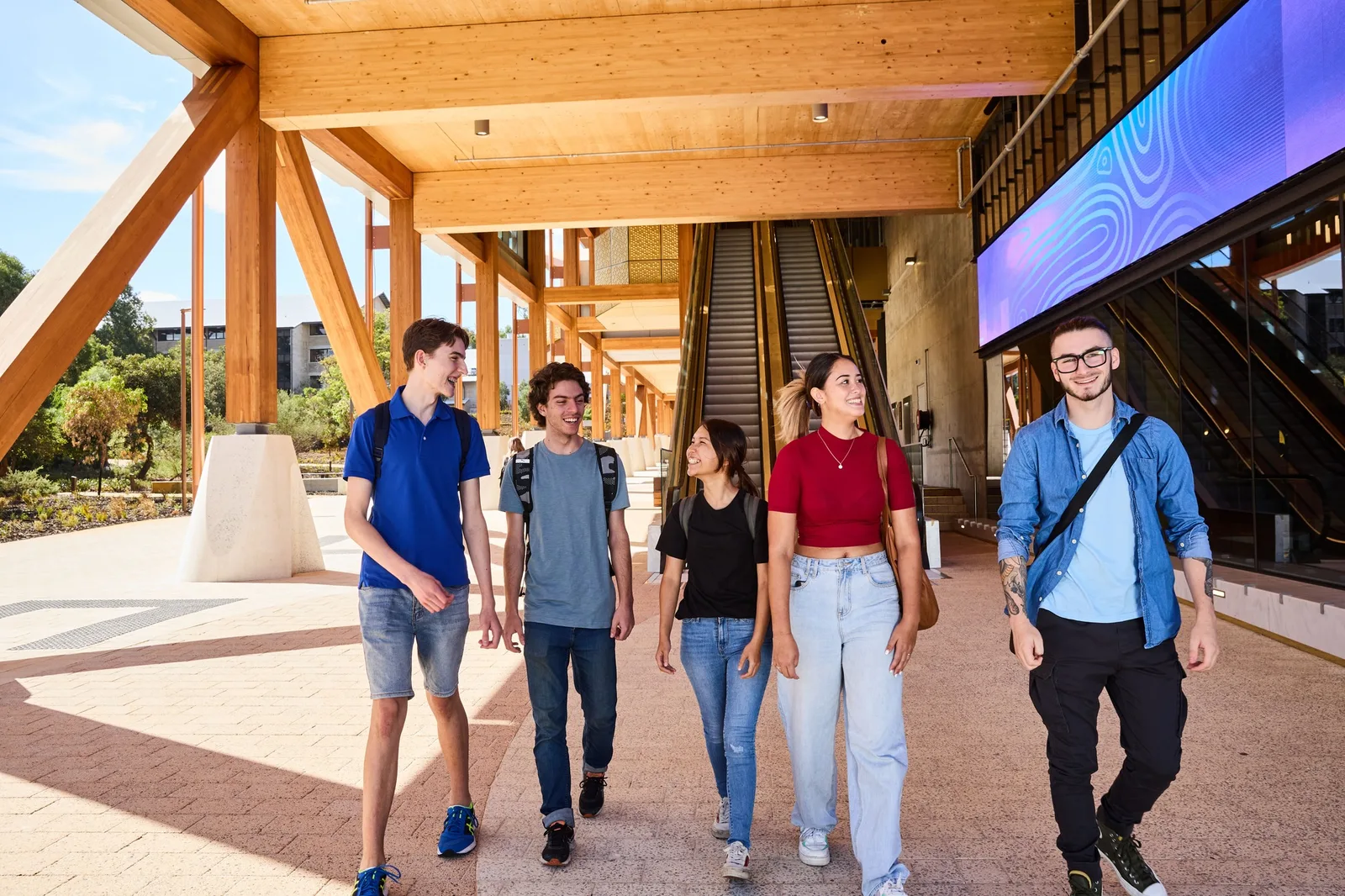
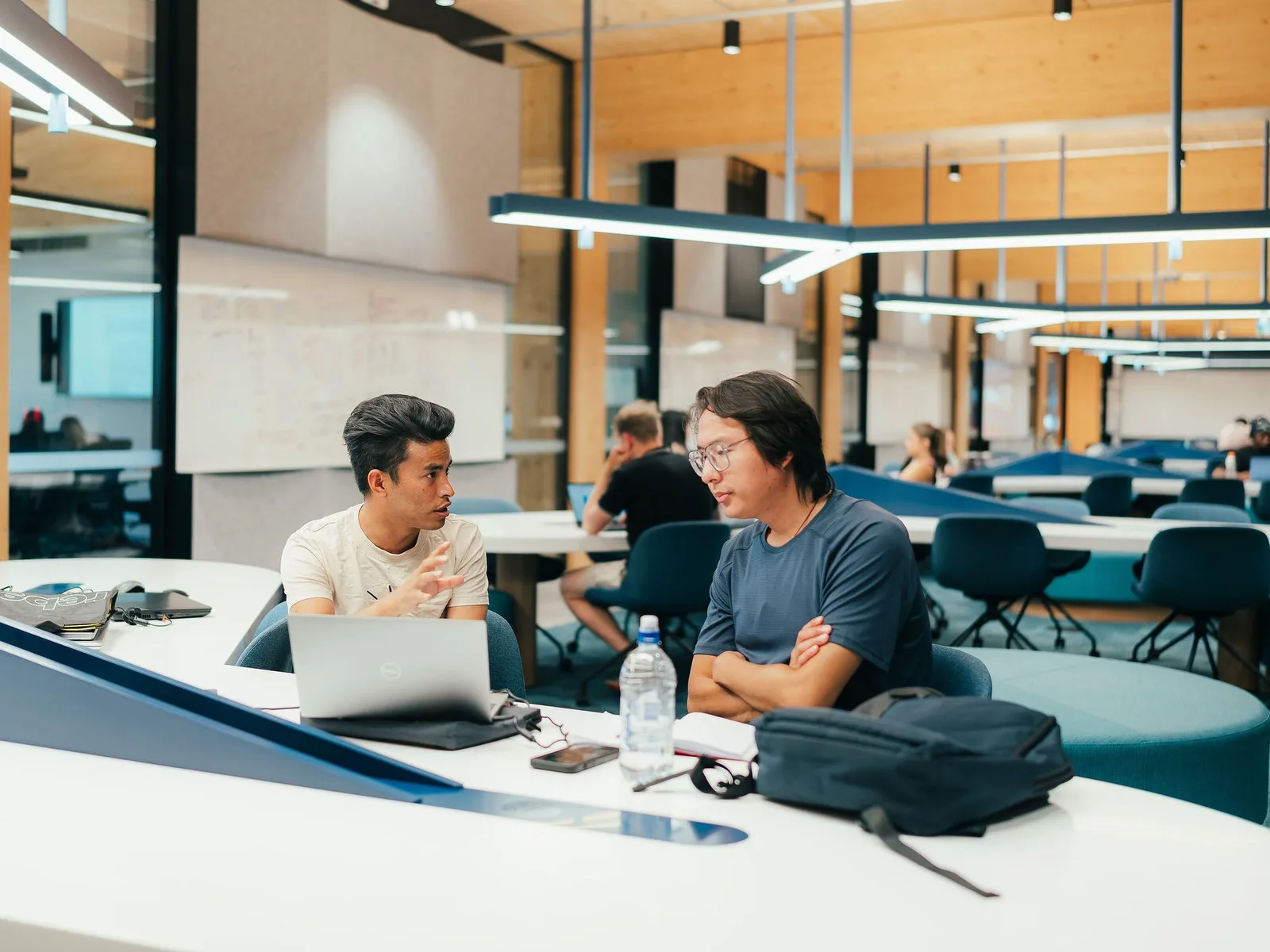
Being a student here means balancing time between high-tech labs and outdoor site visits. You might find yourself analyzing water quality data one morning and simulating air pollution patterns using professional modelling software the next. Much of your learning happens through collaborative projects where you solve real-world problems, such as designing a rainwater harvesting system for a local community. The university's new Boola Katitjin building serves as a living example of sustainable design, providing a modern space where you can study alongside peers in an environment made from mass-engineered timber.
Professional Practice and Real-World Experience
A standout feature of this degree is the requirement to complete 300 hours of real work experience. This isn't just about watching others work; you will be placed with engineering firms, government agencies, or land developers to handle actual tasks. These placements often involve Environmental Impact Assessments (EIA) or helping utilities manage water conservation. It’s a chance to see how ethical decisions and technical skills intersect in a professional setting, helping you build a network before you even graduate.
Global Career Pathways
Because the skills you learn are based on international environmental standards, your degree can take you almost anywhere. Graduates often find roles as Environmental Engineers working on smart city initiatives, climate resilience planning, or industrial waste management. Whether you want to work for an international development agency or a local consultancy, the course prepares you to lead sustainability projects. If you're interested in further specialization, this degree also provides a solid foundation for moving into Postgraduate Research in renewable energy or environmental policy.
Entry Requirements
Review the academic qualifications, grades, and additional criteria needed for admission to this program.

SPM
Minimum 5 credits including Mathematics (C) & English (C)


STPM
Minimum CGPA 3.00 including Mathematics T (C)


DIPLOMA
Minimum CGPA 3.00 including Mathematics T (C)


A-LEVEL
Minimum CGPA 3.00 including Mathematics T (C)


O-LEVEL
Minimum CGPA 3.00 including Mathematics T (C)
ADDITIONAL REQUIREMENTS
- MUET Band 3 or above
- IELTS Overall 6.0 or above
- Has at least one industry level certification in Engineering
Entry Requirement
About this School



Other Courses from This University
Explore all diploma, degree, and postgraduate programs available at this institution.
Courses You Might Be Interested
Explore similar diploma, degree, and postgraduate programs that you matches your interest.